Minoan and Mycenaean Art
Homer, The Iliad, 2. 466-649, presents the following description of the Greek armies massed outside the walls of Troy:
| Clan after clan poured out from the ship and huts onto the plain...innumerable as the leaves and blossoms in their season...the Athenians...the men of Argos and Tiryns of the Great Walls...troops from the great stronghold of Mycenae, from wealthy Corinth...from Knossos...Phaistos..and the other troops that had their homes in Crete of the Hundred Towns. |
Heinrich Schliemann (1822-1890) published Troy and Her Ruins in 1875. He also excavated Mycenae.
Sir Arthur Evans (1851-1941), excavated the site of Knossos from 1900-1905.
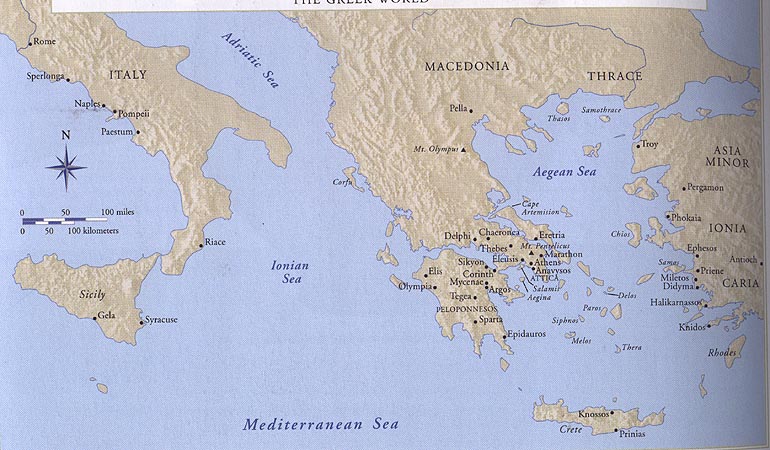
Map of the Greek World
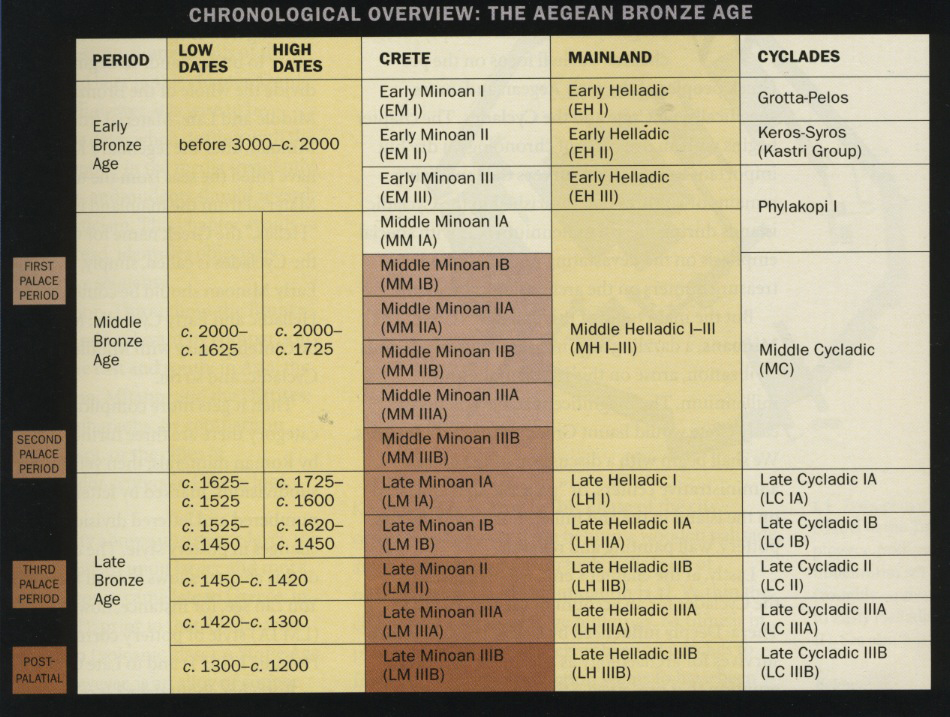
Bronze Age Chronology (from Richard Neer, Greek Art and Archaeology, p. 19)
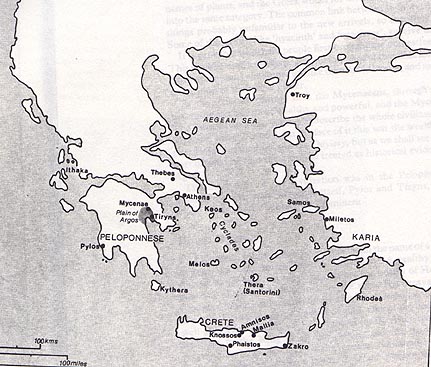
Map of Principal Sites of Minoan and Mycenaean Art
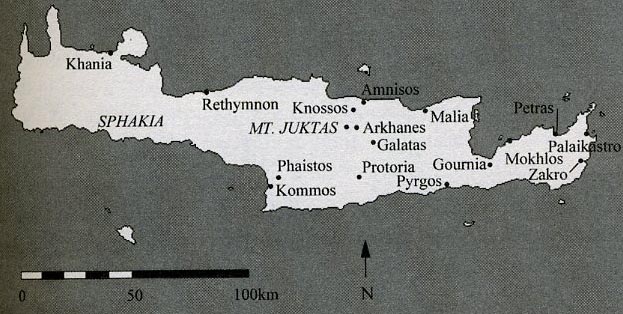
Minoan Palaces on the Island of Crete, from the Second Palace Period, c. 1750-1450 BCE.
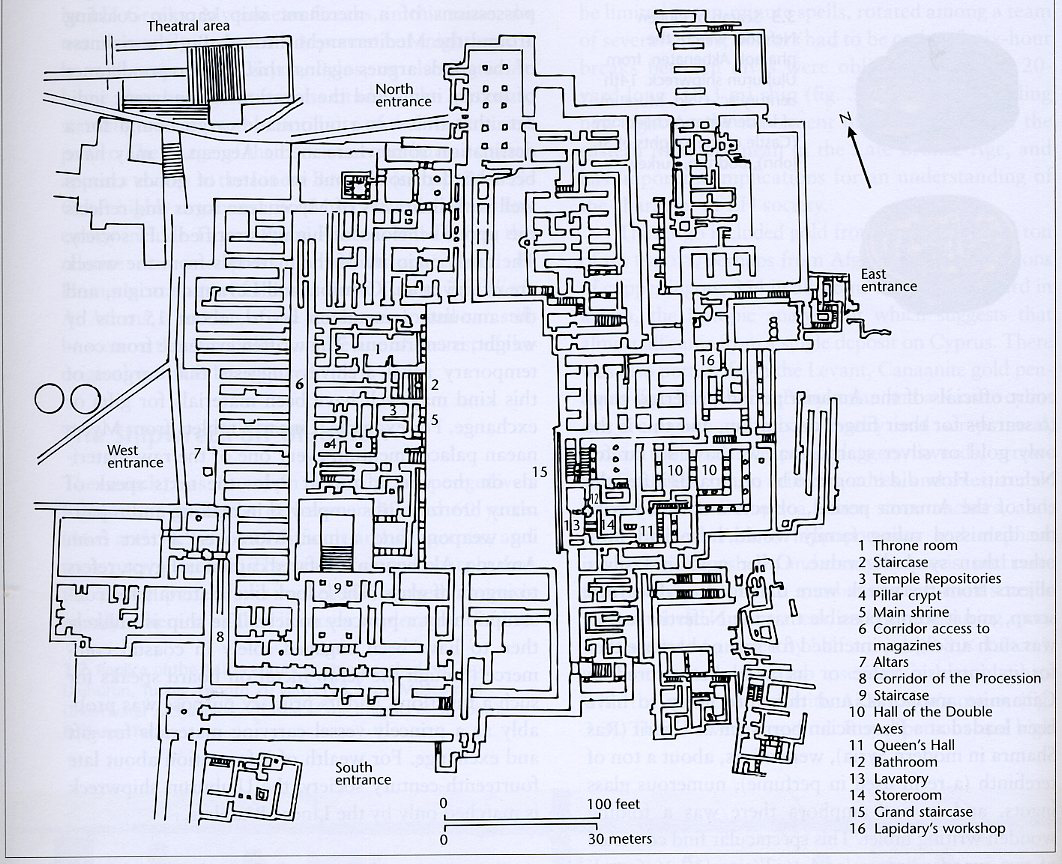
Plan of the Palace of Knossos, c. 1700-1400 B.C.

Comparison of the plans of Knossos and Phaistos.
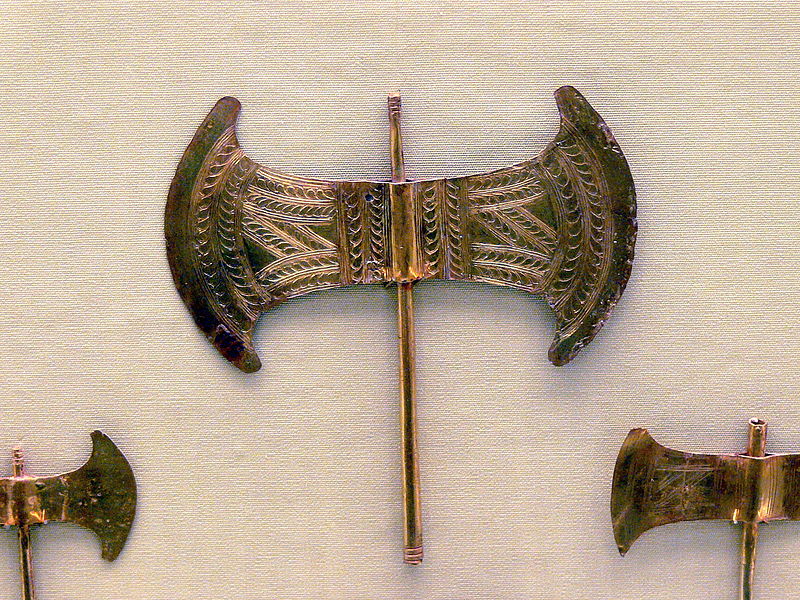
Ceremonial "labrys" (symmetrical double headed axe)

Central Court of Phaistos with Mt. Ida in the background.
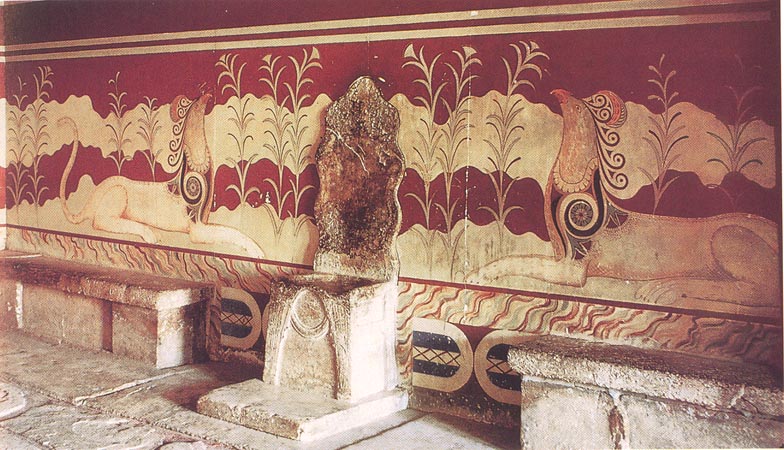
So-called "King's Throne" from the Palace of Knossos. Heavily restored fresco with griffins.
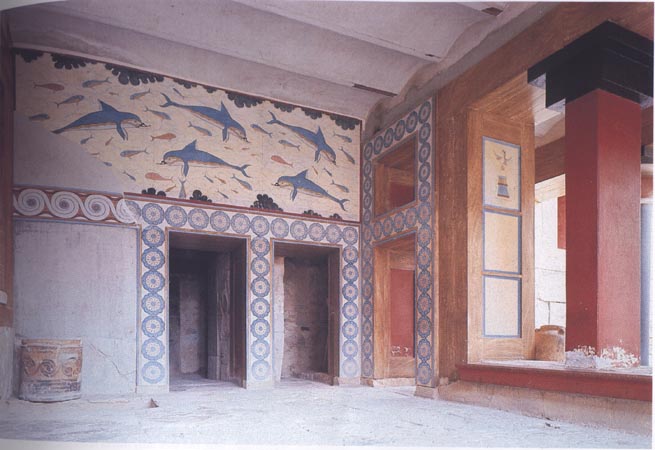
"Queen's Megaron" from Knossos.
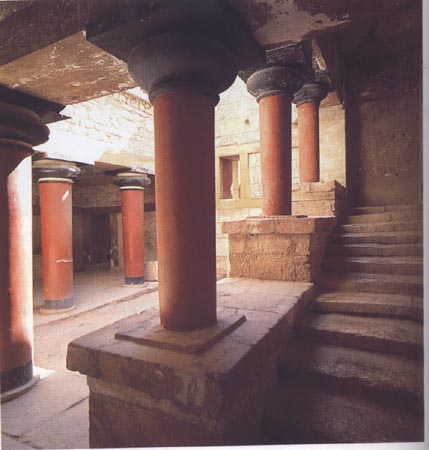
Stairwell from Knossos.
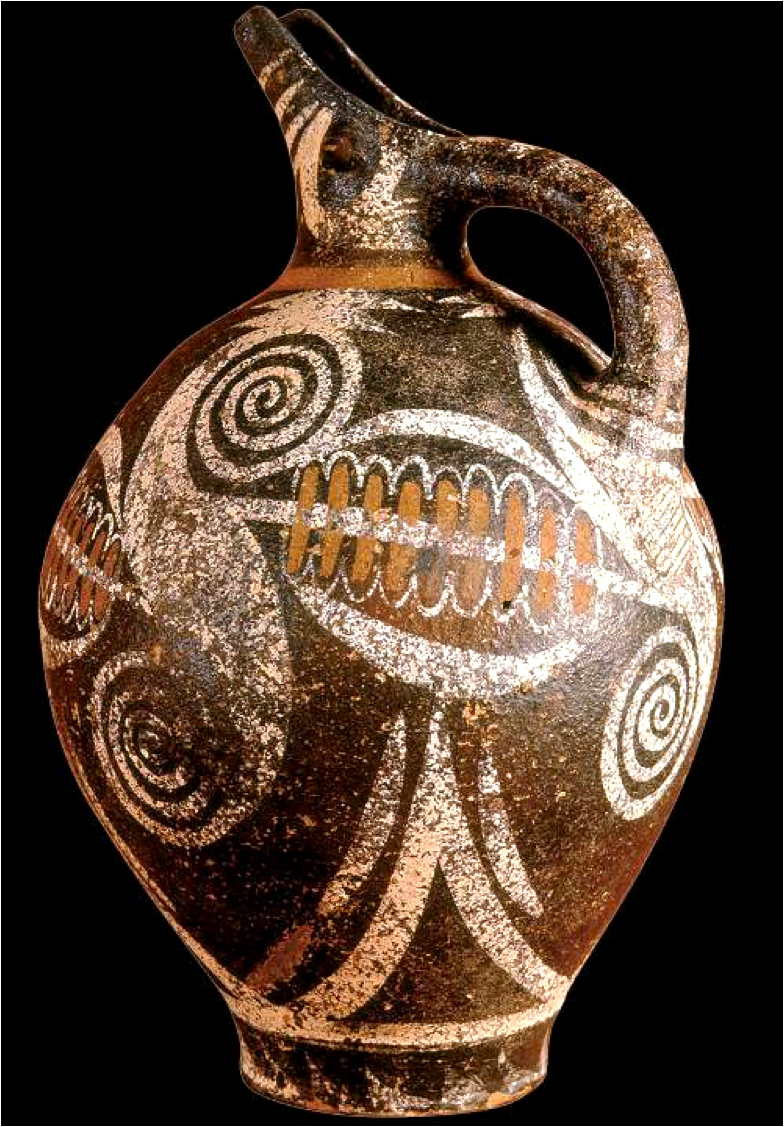
"Kamares" Ware Jug from Phaistos (MM IIB)
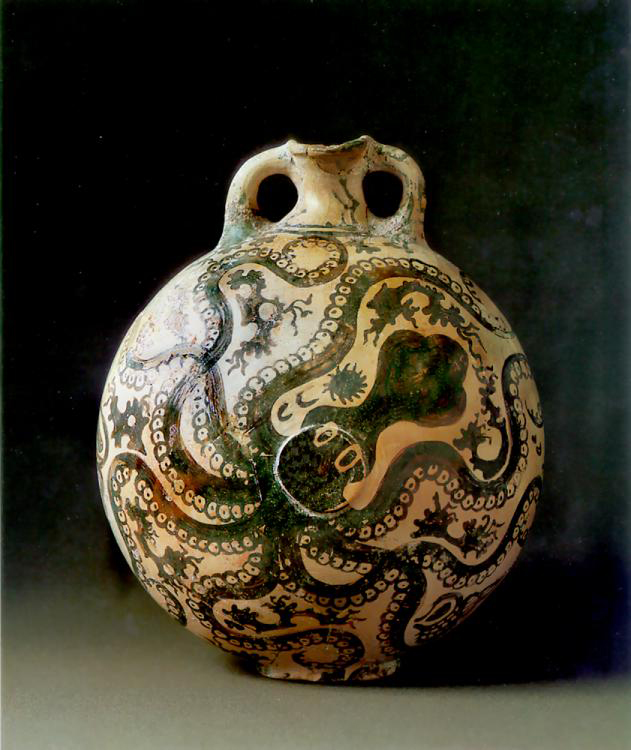
Octopus Vase (Marine Style), c. 1500 B.C.
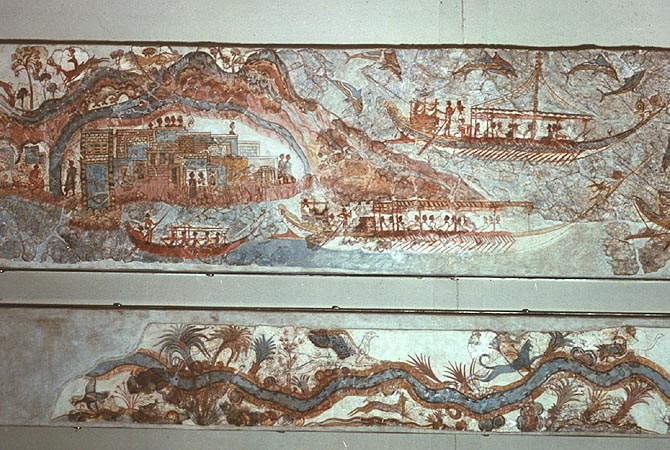
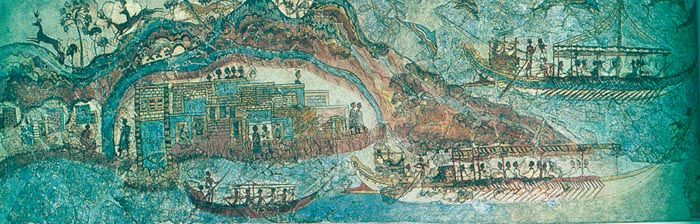
Naval Fresco from Akrotiri, Thera, c. 1650-1500 B.C.

"Spring" fresco from Thera, c. 1650.
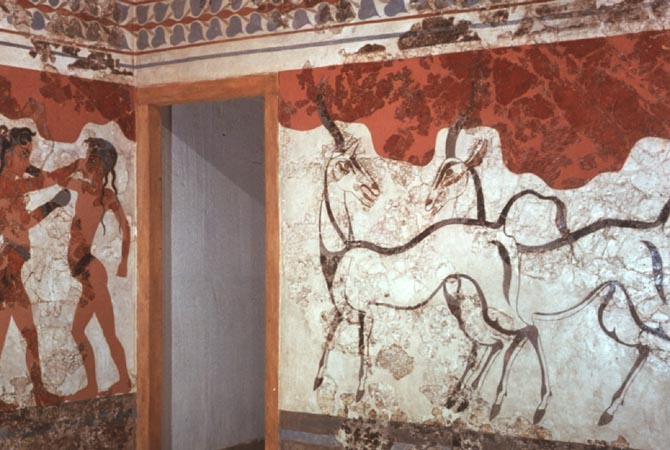
"Boxer" and "Antelope" frescoes, from Thera.

"Toreador Fresco" from Knossos, c. 1450-1400B.C.
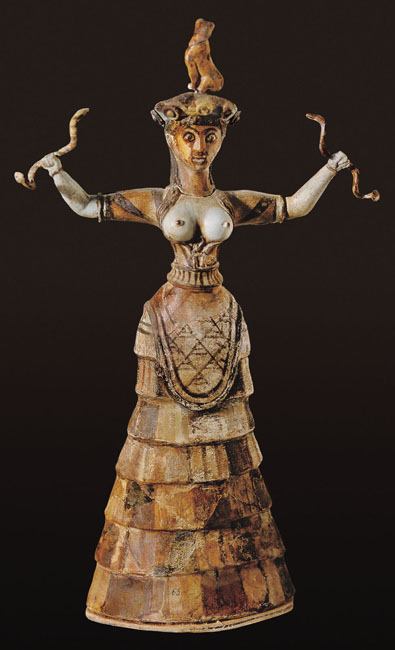
"Snake Goddess" c. 1600 B.C. from Knossos. Faïence (glazed earthenware).
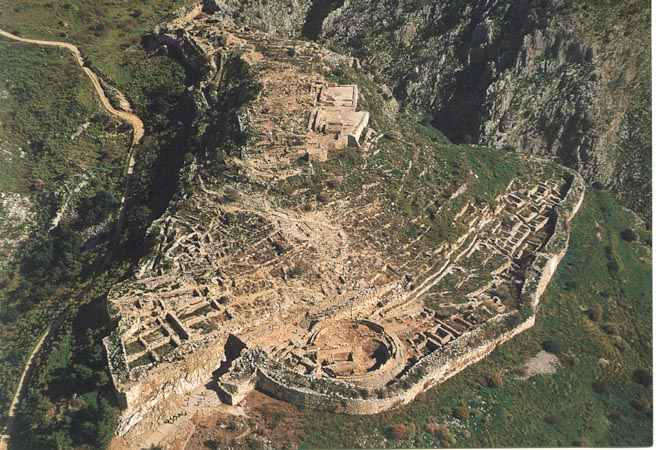
Aerial view of Mycenae
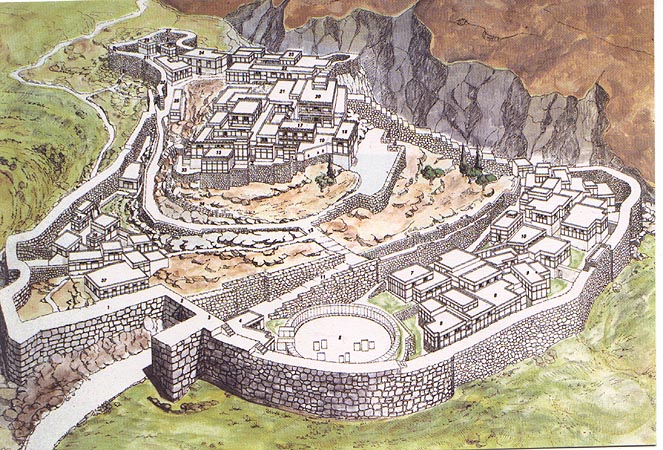
Reconstruction of Mycenae, c. 1400-1200
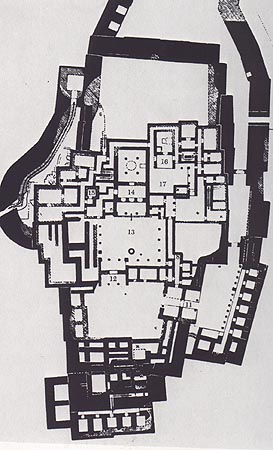
Plan of Tiryns, c.1400-1200B.C.
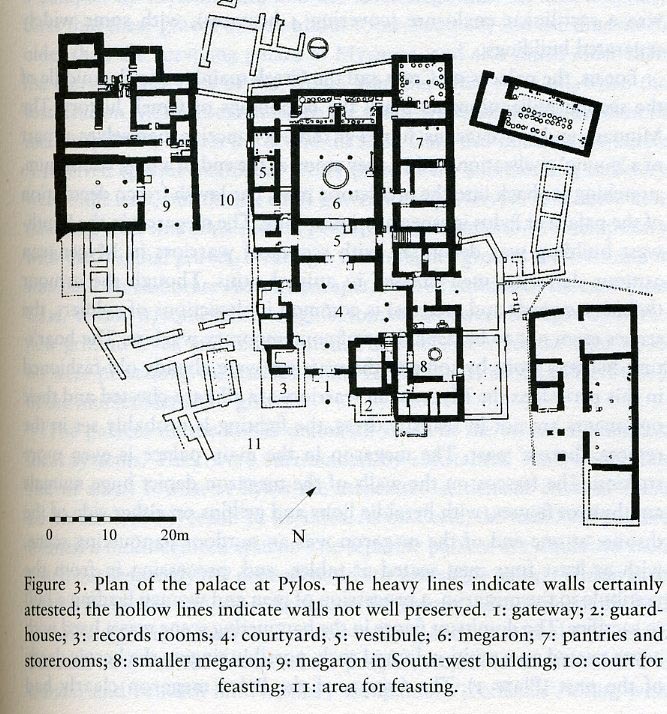
Plan of the Palace of Pylos, c. 1300-1200 BCE.
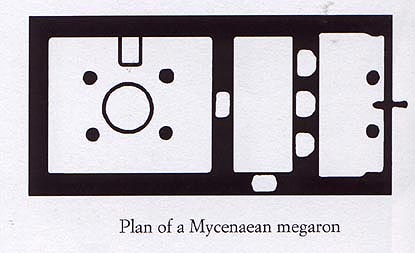
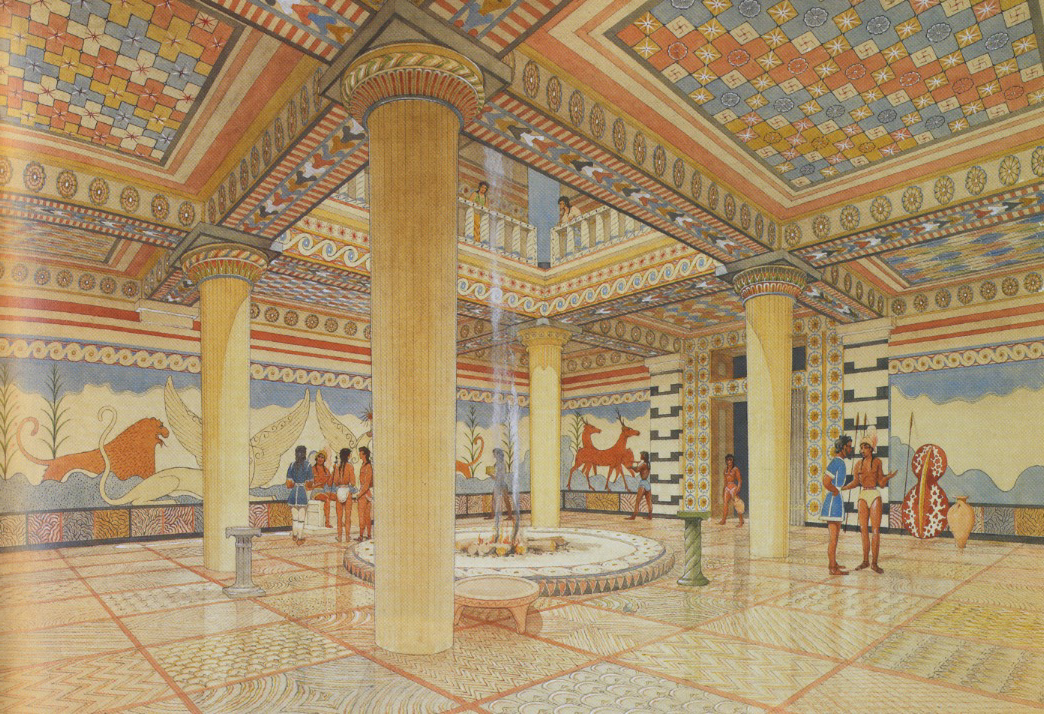
Reconstruction of the Interior of a Megaron
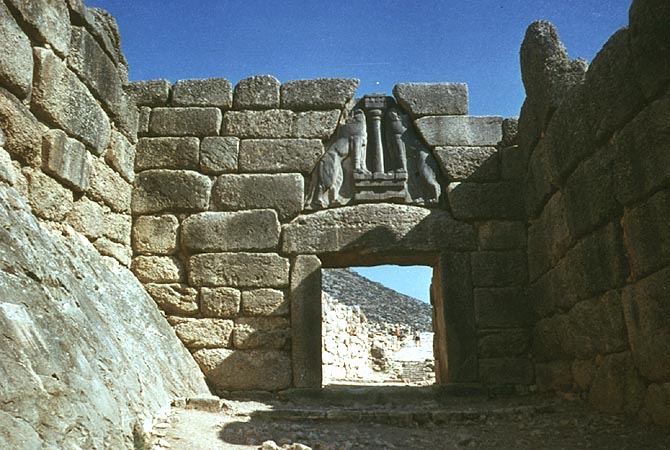
The Lions (Lioness) Gate, Mycenae, c. 1250
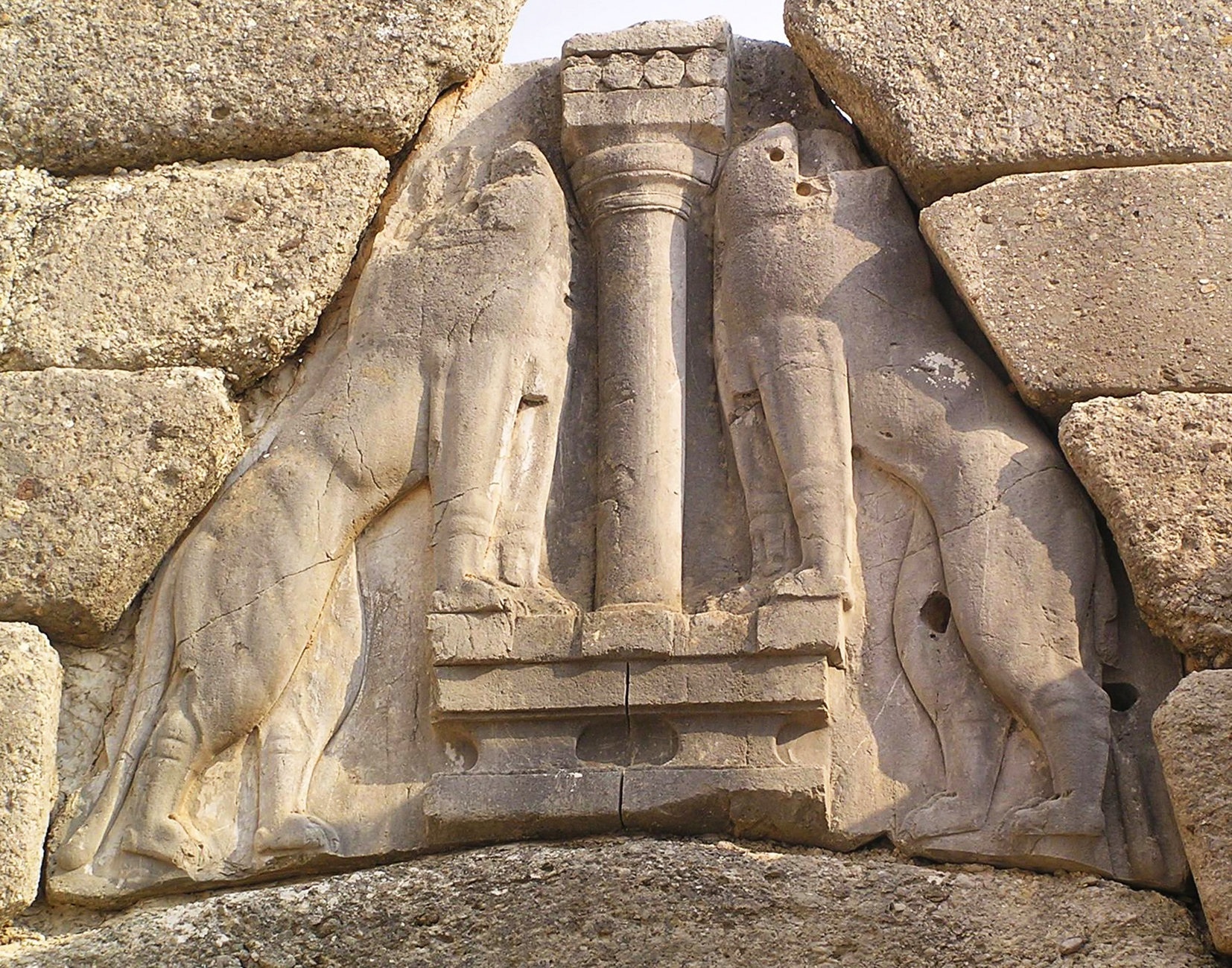
Lions Gate, detail.
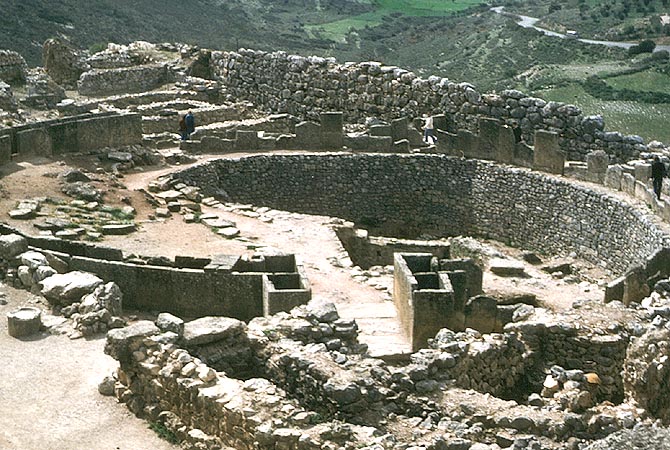
Royal Grave Circle A, c. 1600- 1500 B.C.
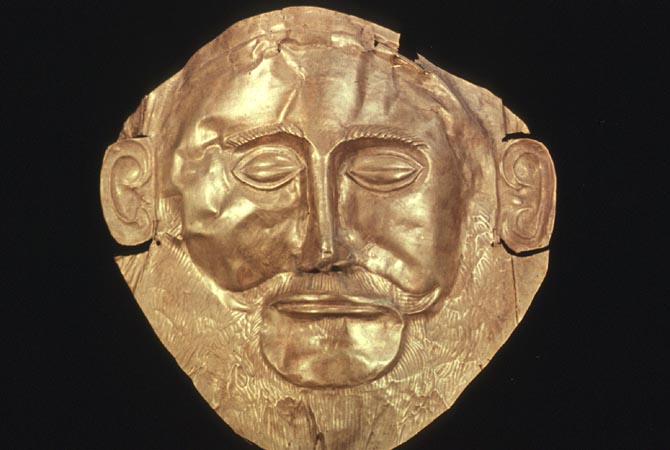
Funerary Mask (Mask of Agamemnon) c. 1600-1500 B.C.
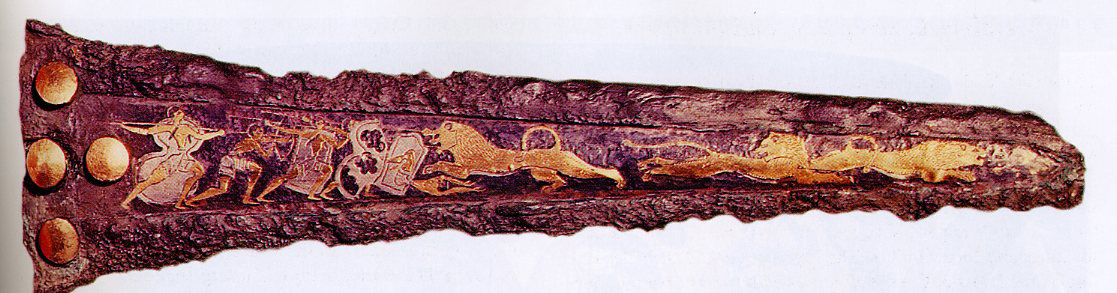
Inlaid Dagger with lion hunt from Grave Circle A. c. 1600-1500 BCE.
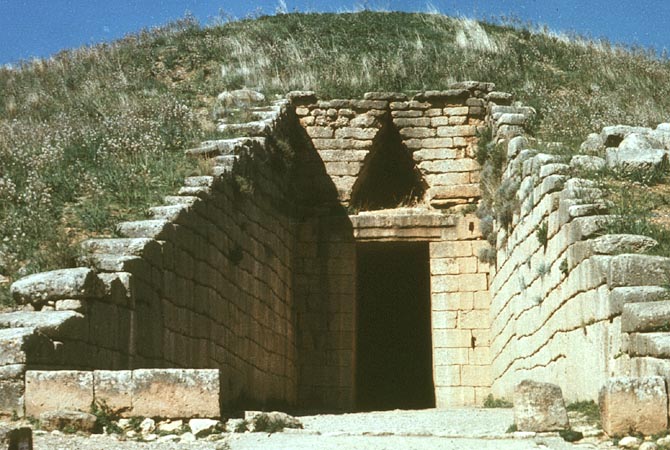
Royal Tomb (Tholos) so-called Treasury of Atreus, c. 1300-1250.
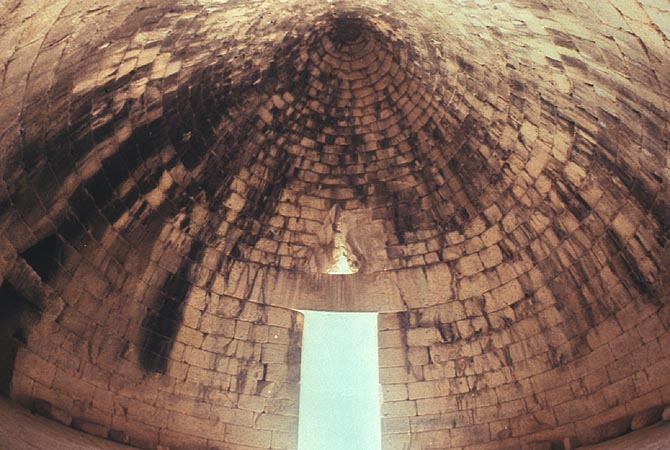
Interior of "Treasury of Atreus" (corbeled arch)

Vaphio Cup, c. 1500 B.C.