Greek
Roman
Art


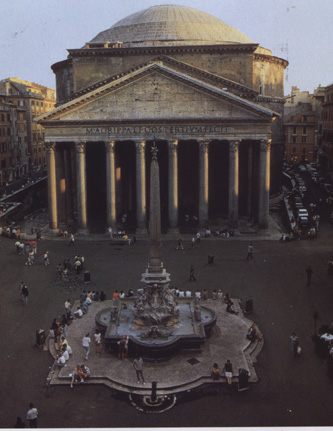
Pantheon of the Emperor Hadrian, 118-125 A.D., Roman, Early Empire (See Slide List 14 for other images of the Pantheon).
EXAM Format
PART 1: Short Answer (50% of grade)
5 Slide Identifications= 5pts each (25 points total). Criteria: 1. Title of the Work (name of the artist when known); 2. Date of the Work; 3. Culture (Greek or Roman); 4. Period ( Greek: Classical, Late Classical (4th century), Hellenistic; Roman: Republican, Augustan period, Early Empire). You will be given a minute for each slide. The slides will be selected from the List of Works for Exam 2.
15 Multiple Choice Questions (1 pt. each (15 points total)): the multiple choice questions will be based on material pertaining to the works included on the List of Works for Exam 2.
10 Matching Questions (1 pt. each (10 points total)): matching questions will be based on the works included on the List of Works for Exam 2 as well as on the lists of vocabulary included on the slide lists. Again, pay special attention to the terms associated with Arches and Vaults.
Part 2: Essay (50% of Grade)
You will be given twenty minutes to write an essay based on one of the Questions for Review. You will be shown the slides and given the question. Your essay will be based on the quality and not the quantity of your discussion. I am expecting you to focus on the major issues involved in the comparison. Make sure to focus on all parts of the question. Avoid approaching your essay as a listing of information. I am looking for an argument where your points are supported by specific evidence drawn from an examination of the works.
List of Works included on Exam 2
The following handlist of images are those you will be held accountable for on the exam. These include all the works incorporated into the Questions for Review as well as some additional works. Accompanying the thumbnail of the image you will find the information you will need to identify the particular work. You will notice that in many cases I have rounded off the dates of the works.
|
Greek
|
|
|
|
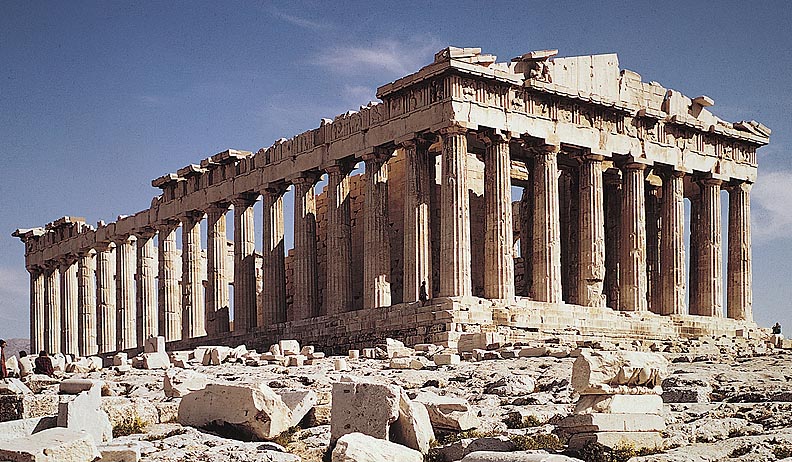
Parthenon, 447-432 B.C., Greek, Classical (pay attention to all of the images pertaining to the Parthenon on Slide List 9.) |
|
|
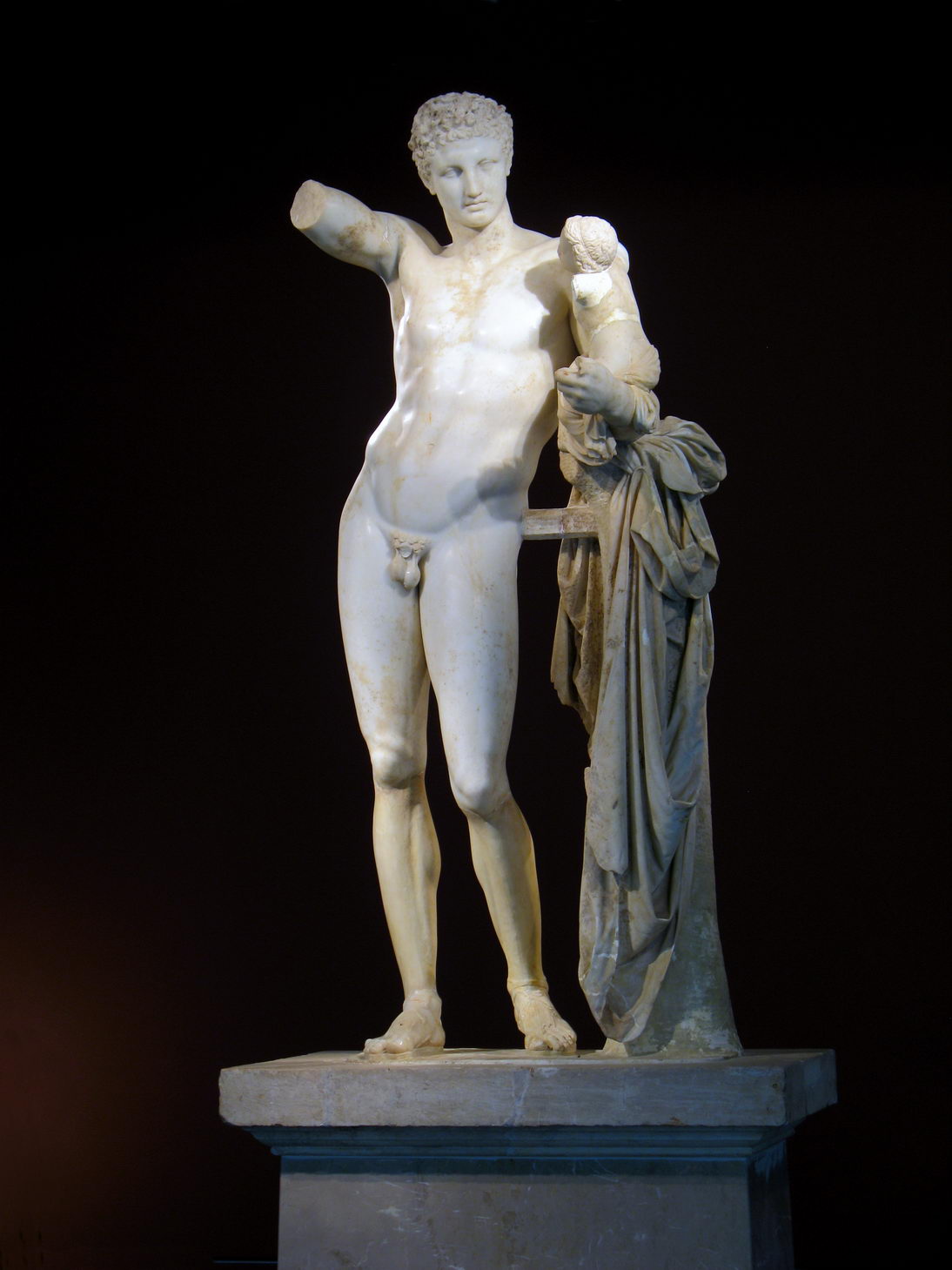
Praxiteles, Hermes with the Infant Dionysos, c. 340-330 B.C., Greek, Late Classical. |
|
|
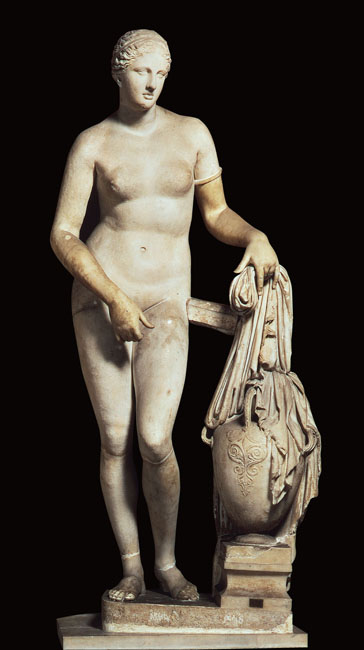
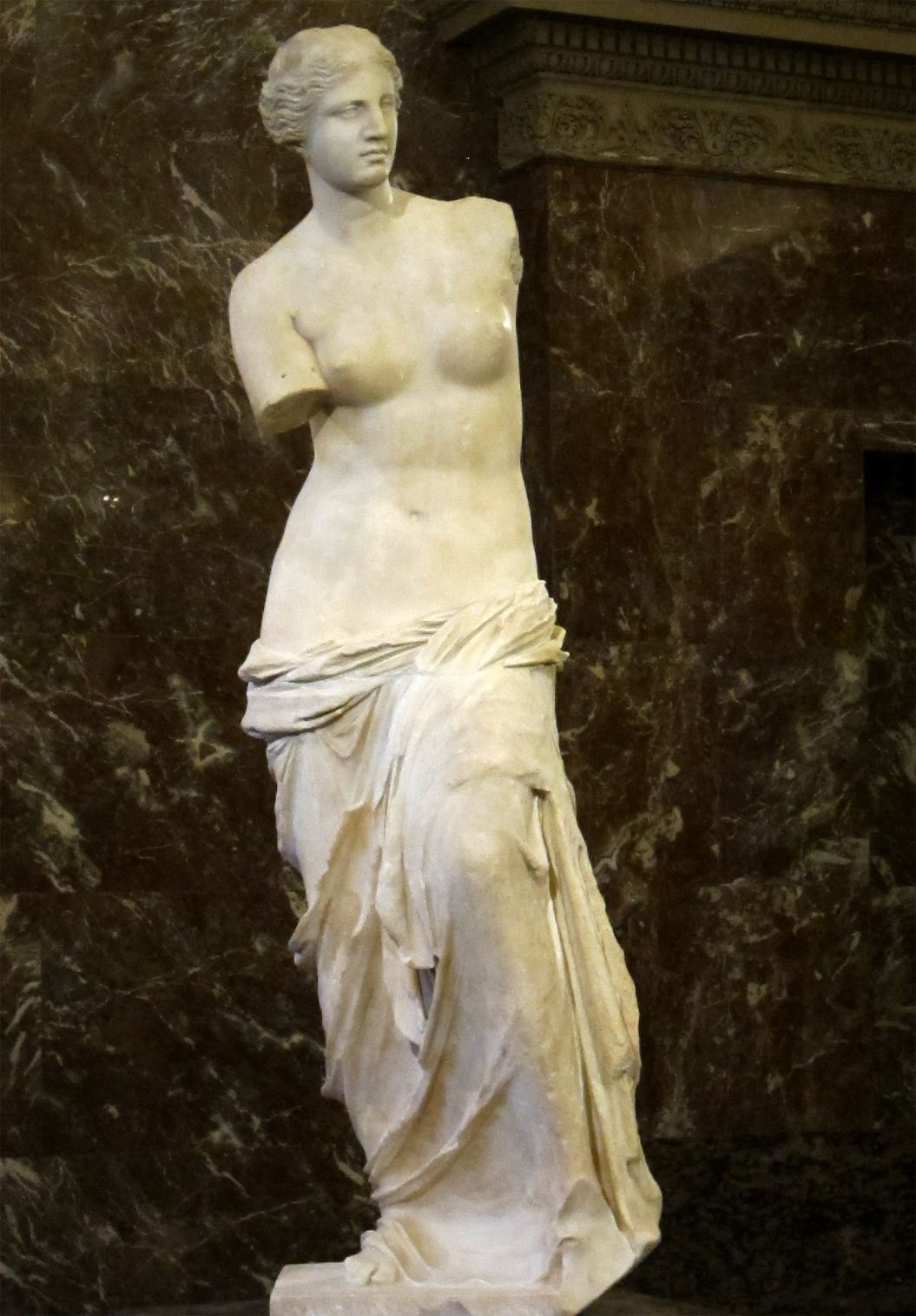
Praxiteles, Aphrodite of Melos, Roman copy of Greek original from c. 350 B.C., Greek, Late Classical |
|
|
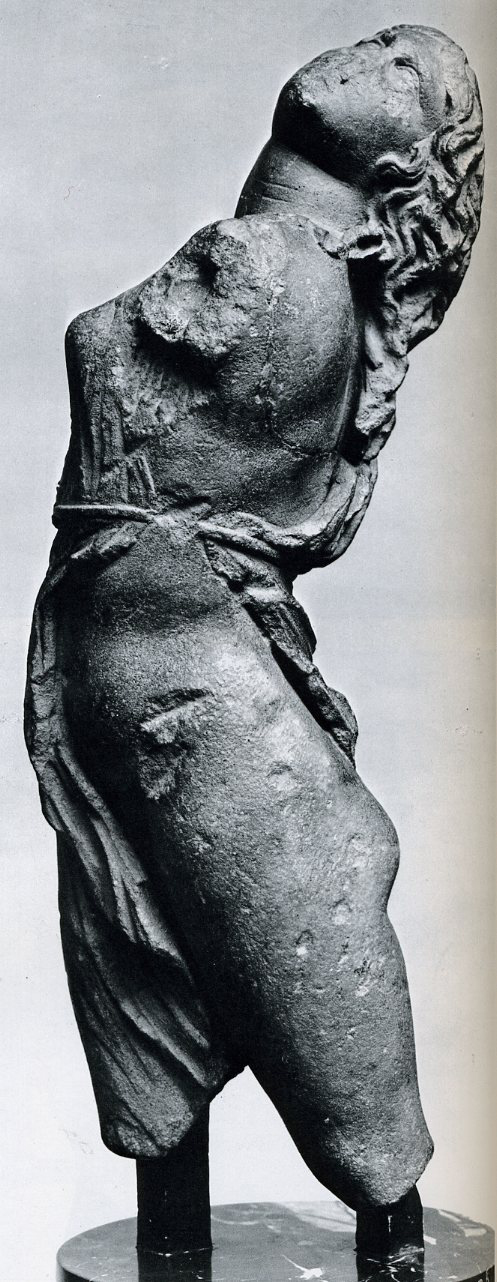
in the manner of Scopas, Orgiastic Maenad, c. 340 B.C., Greek, Late Classical. |
|
|
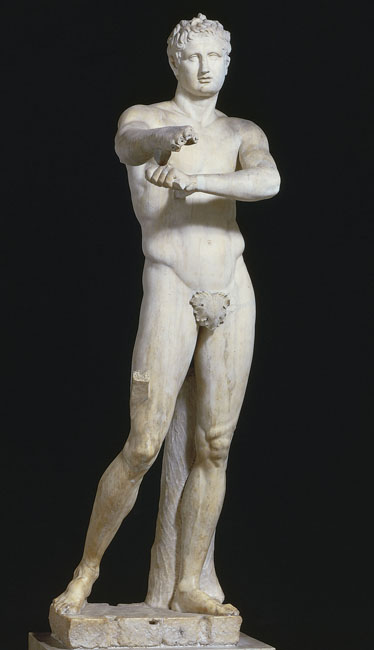
Lysippos, Apoxyomenos, c. 330 B.C., Greek, Late Classical. |
|
|
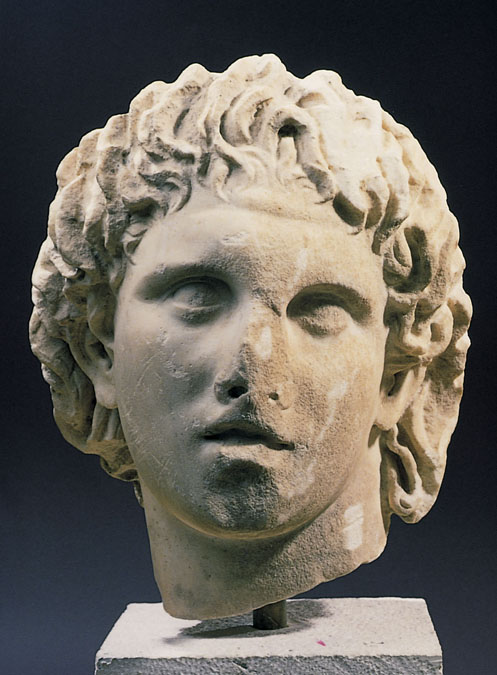
In the manner of Lysippos, Alexander the Great, original before 323 B.C., Greek, Late Classical. |
|
|
Aphrodite of Melos, c. 150 B.C., Greek, Hellenistic. |
|
|
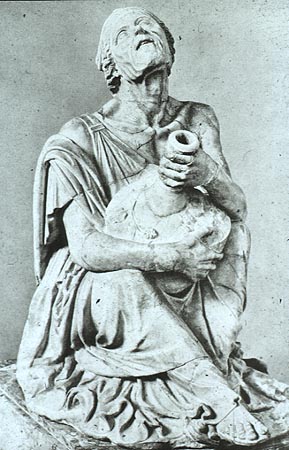
Old Market Woman, 2nd c. B.C., Greek, Hellenistic. |
|
|
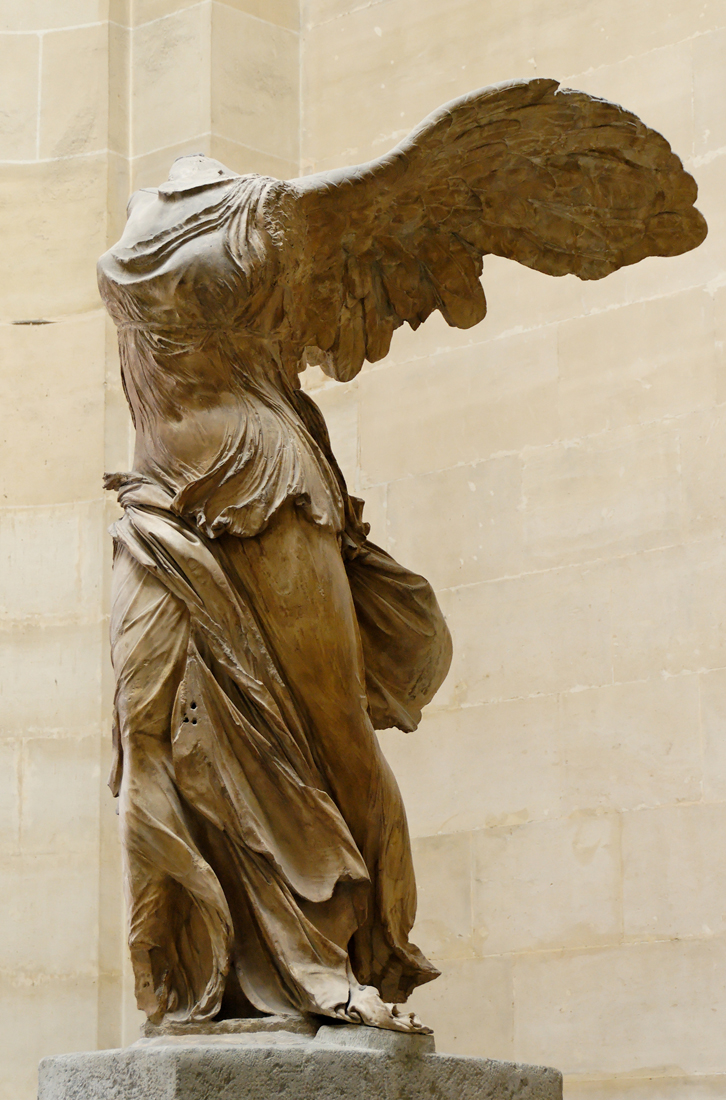
Nike of Samothrace, c. 190 B.C., Greek, Hellenistic. |
|
Roman
Art
|
|
|
|
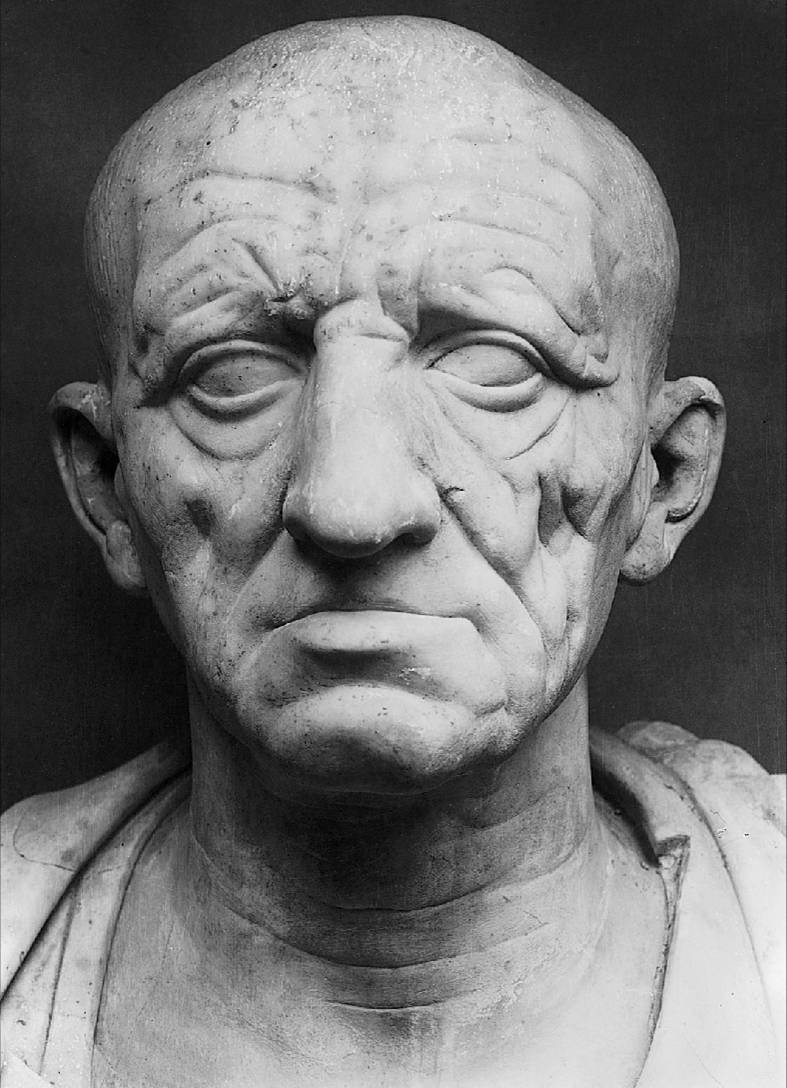
Head of a Roman, c. 80 B.C., Roman, Republican Period. |
|
|
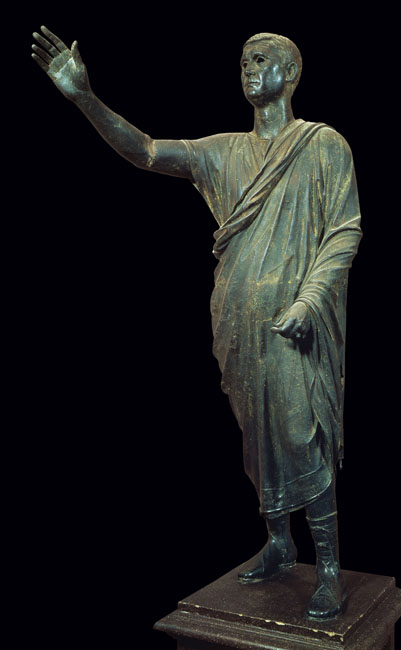
Arringatore (Aulus Metellus), 1st c. B.C., Roman, Republican Period. |
|
|
Roman General as a God, 1stc. B.C., Roman, Republican Period. |
|
|
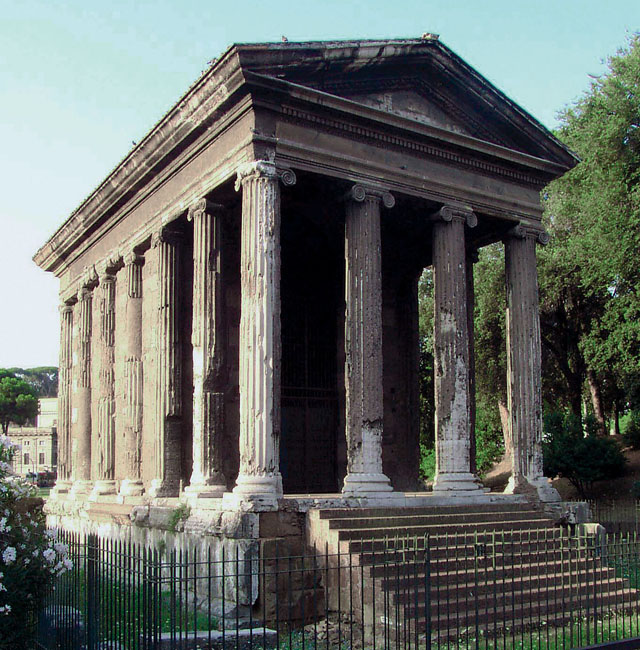
Temple of Fortuna Virilis, late 2nd c. B.C., Roman, Republican Period. |
|
|
Sanctuary of Fortuna at Praeneste, 1st c. B.C., Roman, Republican Period. |
|
|
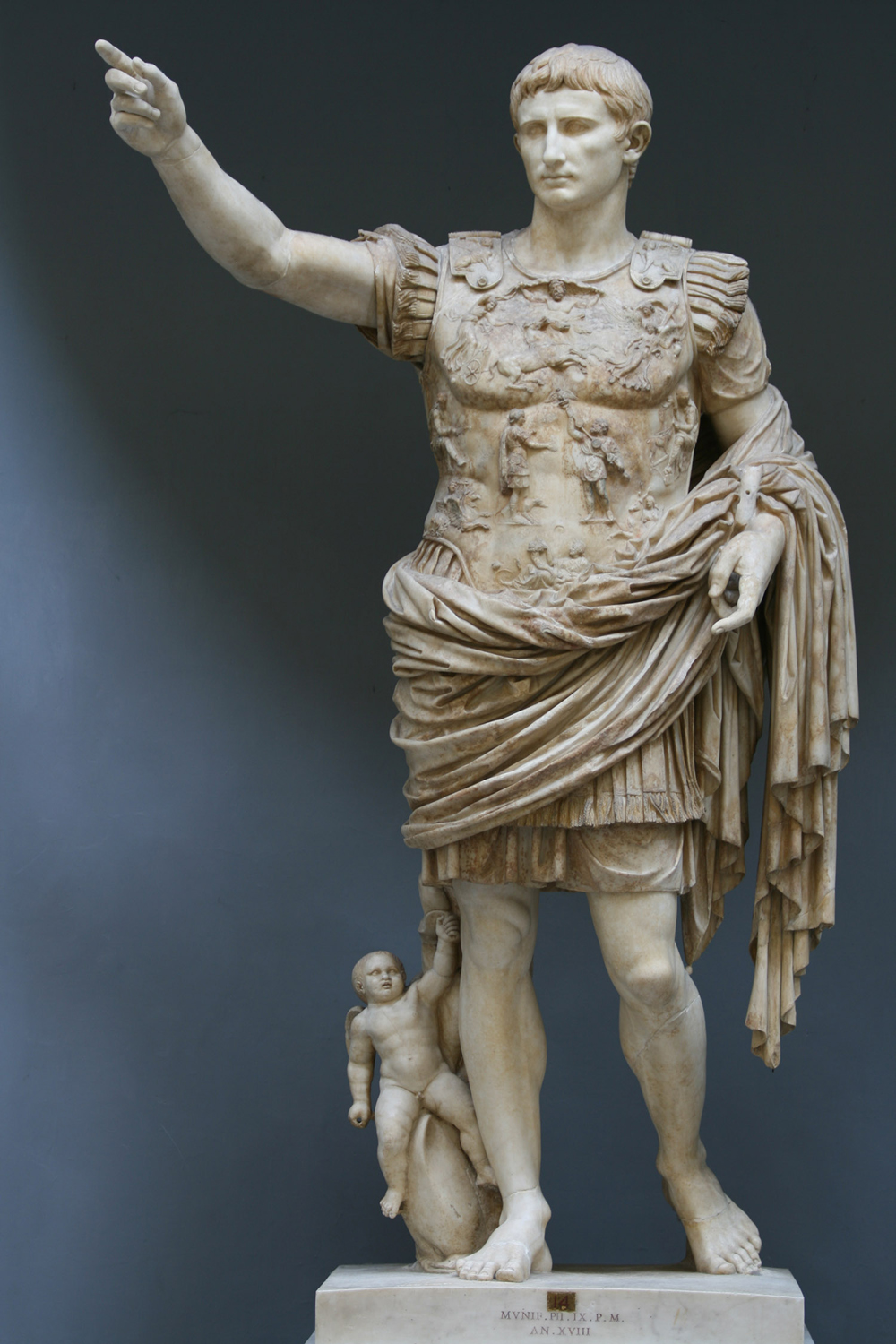
Augustus of Primaporta, c. 20 B.C. or 14 A.D., Roman, Augustan Period. |
|
|
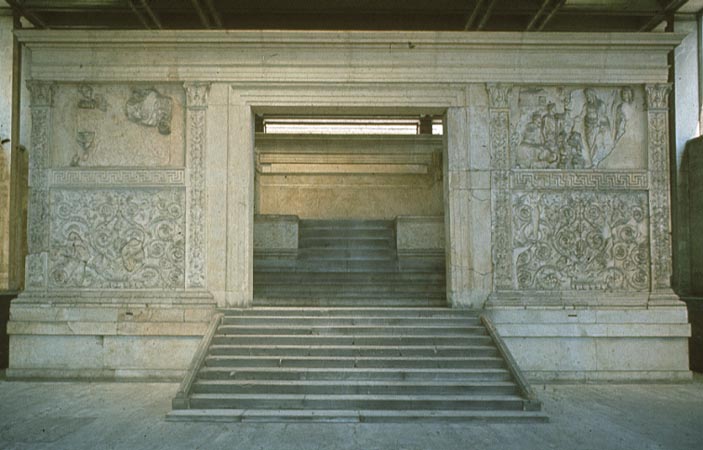
Ara Pacis, 13-9 B.C., Roman, Augustan Period. Pay attention to the different images associated with this monument included on Slide List 13. |
|
|
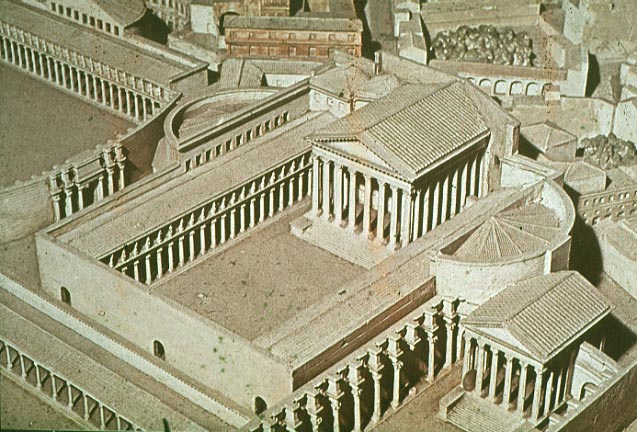
Reconstruction of the Forum of Augustus, late 1st c. B.C., Roman, Augustan Period. |
|
|
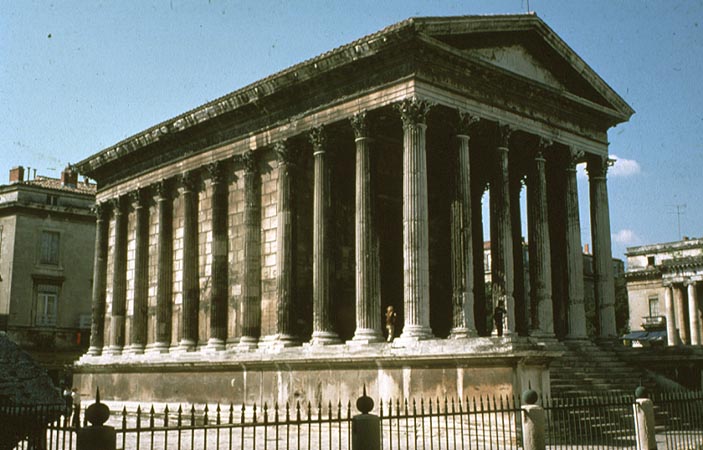
Maison Carrée, Nîmes, France, late 1stc. B.C. or early 1st c. A.D. |
|
|
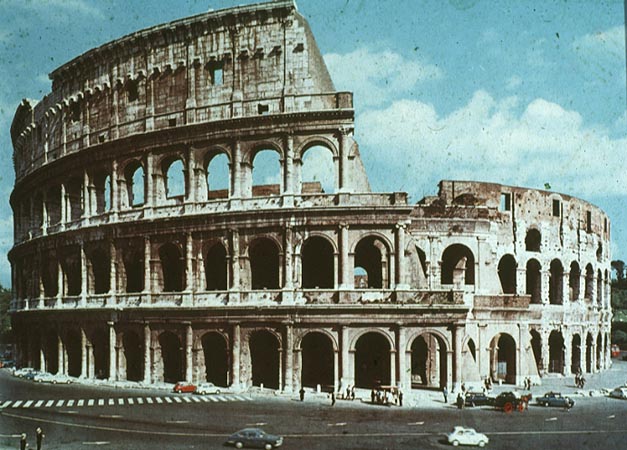
Colosseum (Flavian Amphitheater), 72-80 A.D., Roman, Early Empire. |
|
|
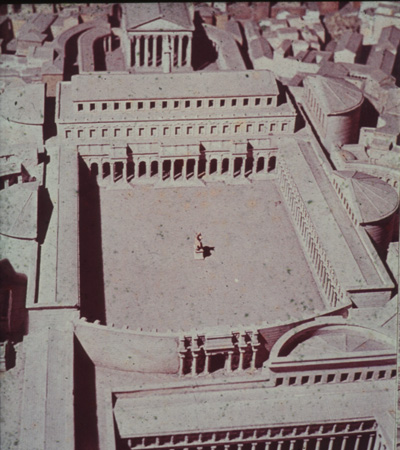
Forum of Trajan, c. 113 A.D., Roman, Early Empire. |
|
|
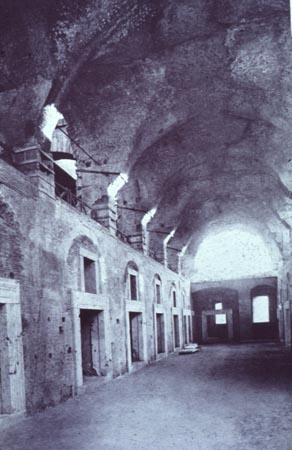
Markets of Trajan, c. 113 A.D., Roman, Early Empire |
|
|
Pantheon of the Emperor Hadrian, 118-125 A.D., Roman, Early Empire (See Slide List 14 for other images of the Pantheon). |
|
|
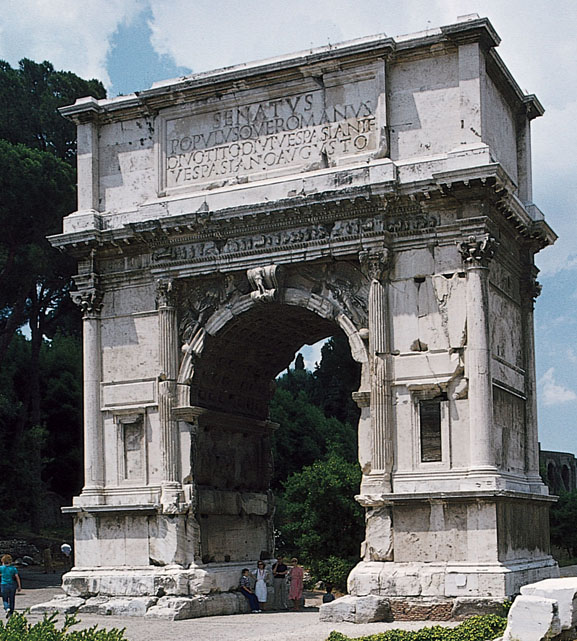
Arch of Titus, 81 A.D., Roman Early Empire (See Slide List 15 for Triumphal Reliefs) |
|
|
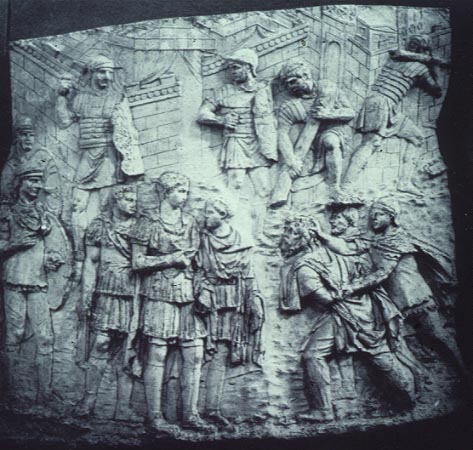
Trajan with Dacian Chieftain from the Column of Trajan, c. 106-113 A.D., Roman, Early Empire (See Slide List 15 for other details of the Column of Trajan). |
|
|
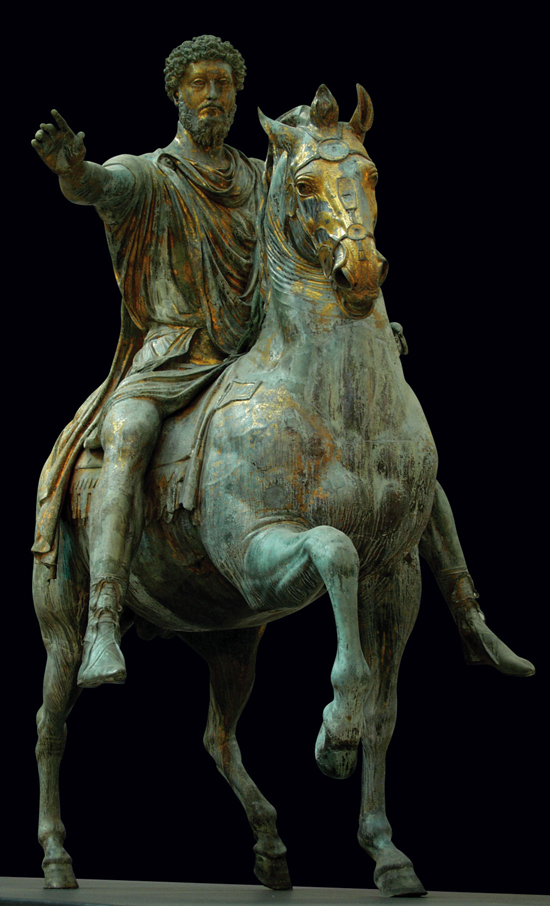
Equestrian Statue of Marcus Aurelius, c. 165 A.D., Roman, Early Empire. |