|
|
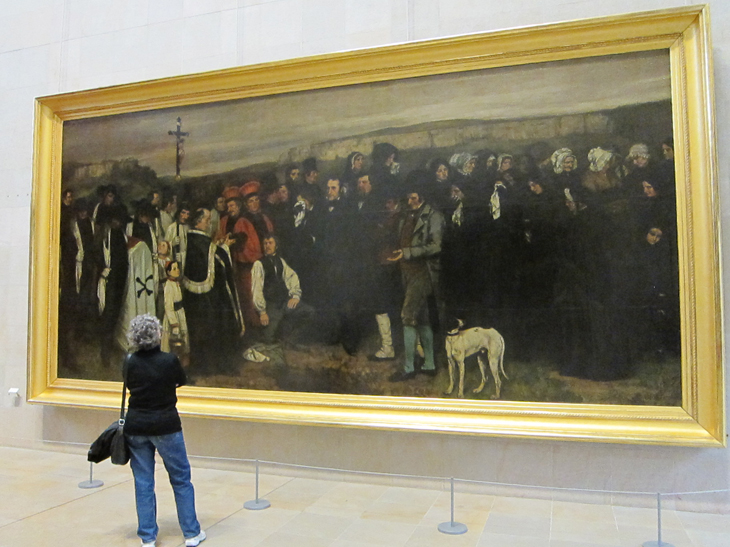
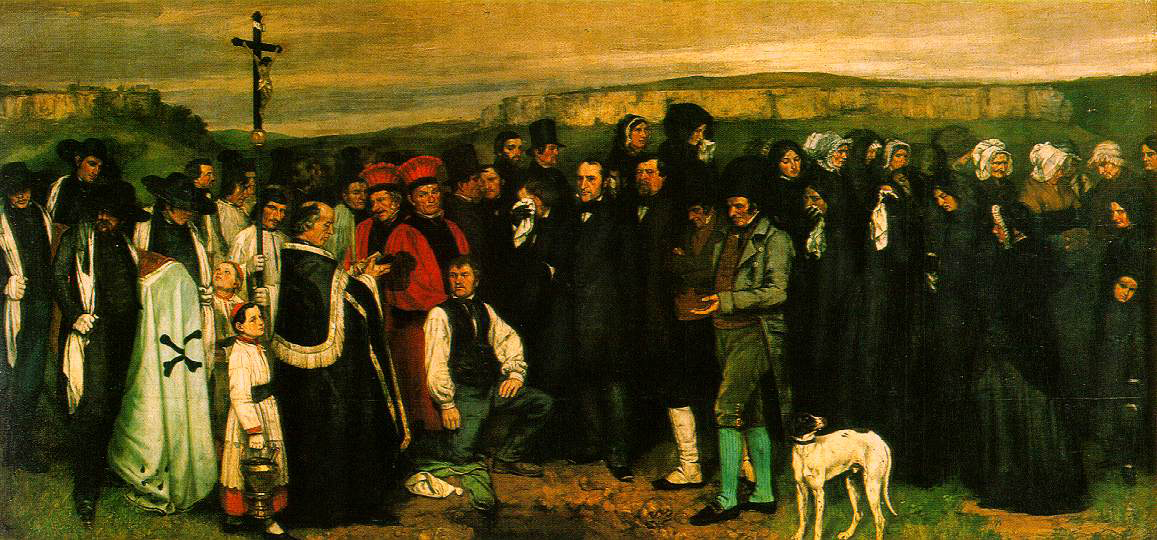
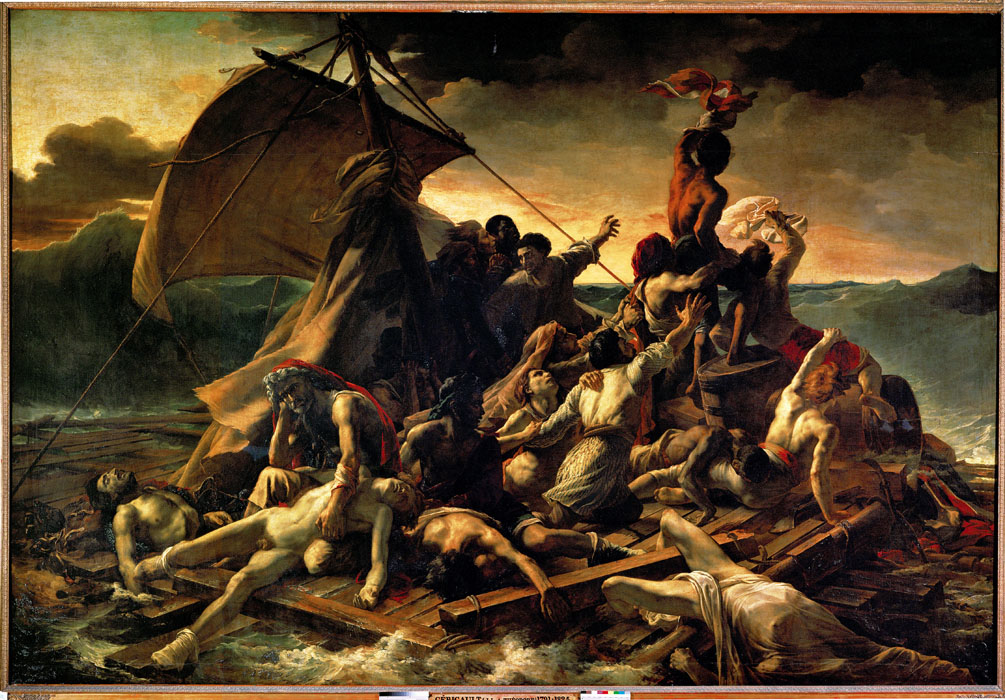
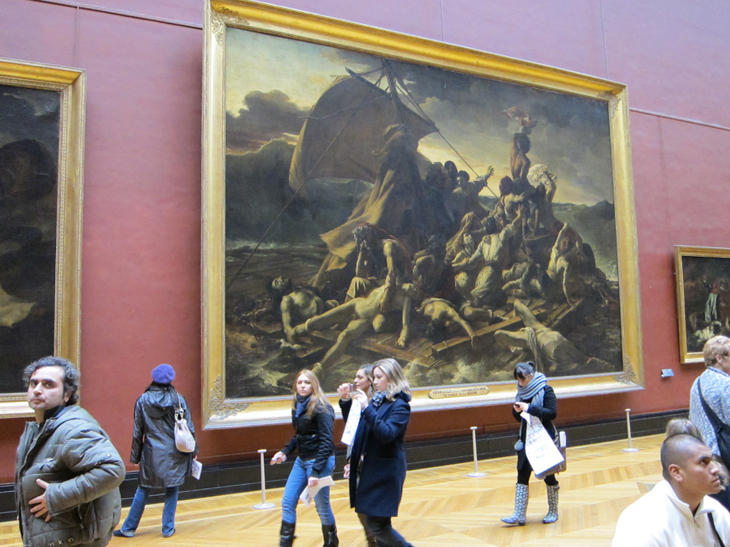
| Gustave Courbet (1819-77), A Burial at Ornans, 1849-50. | Gericault, The Raft of the Medusa, 1818-19. |
|
|
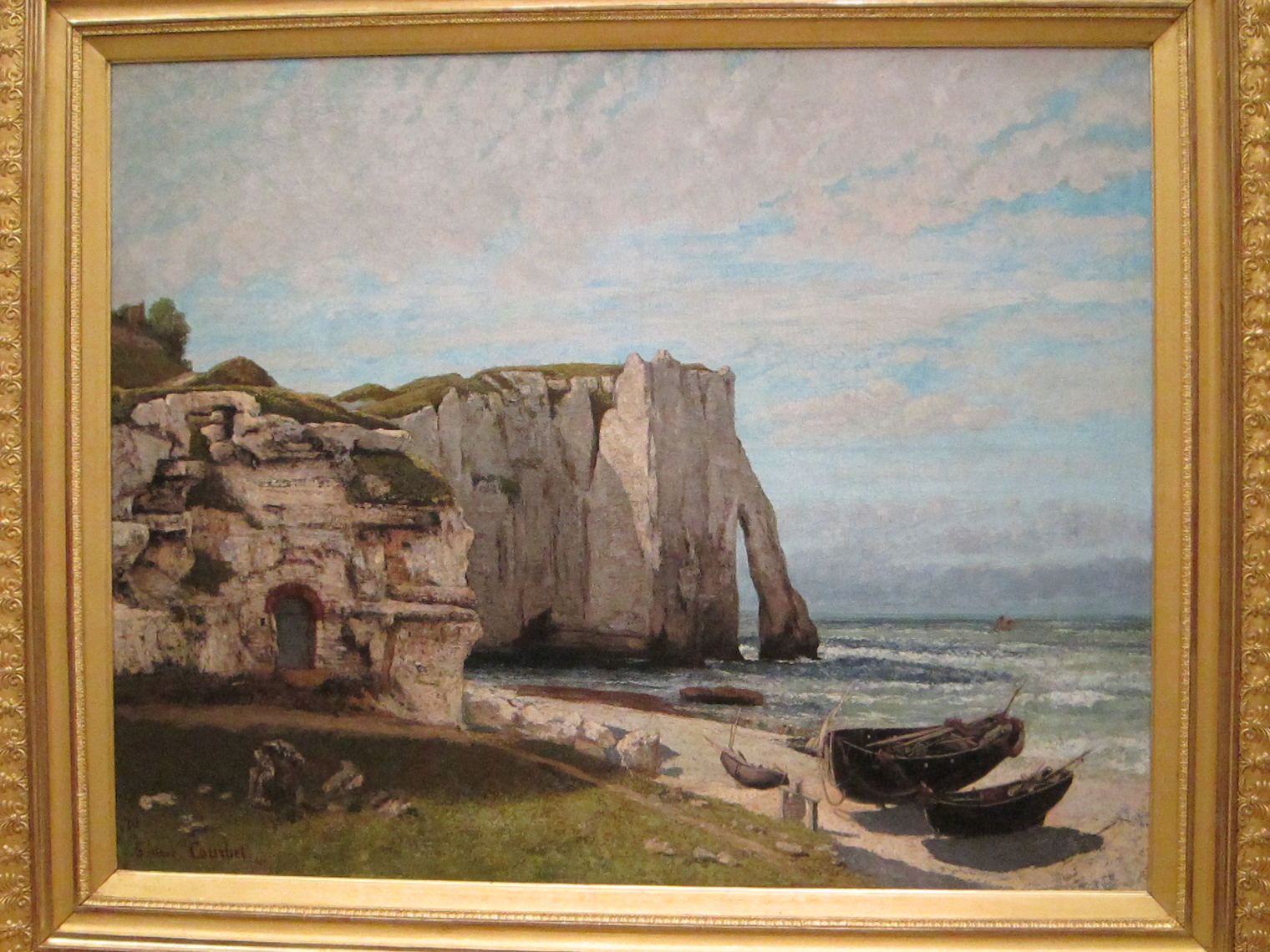
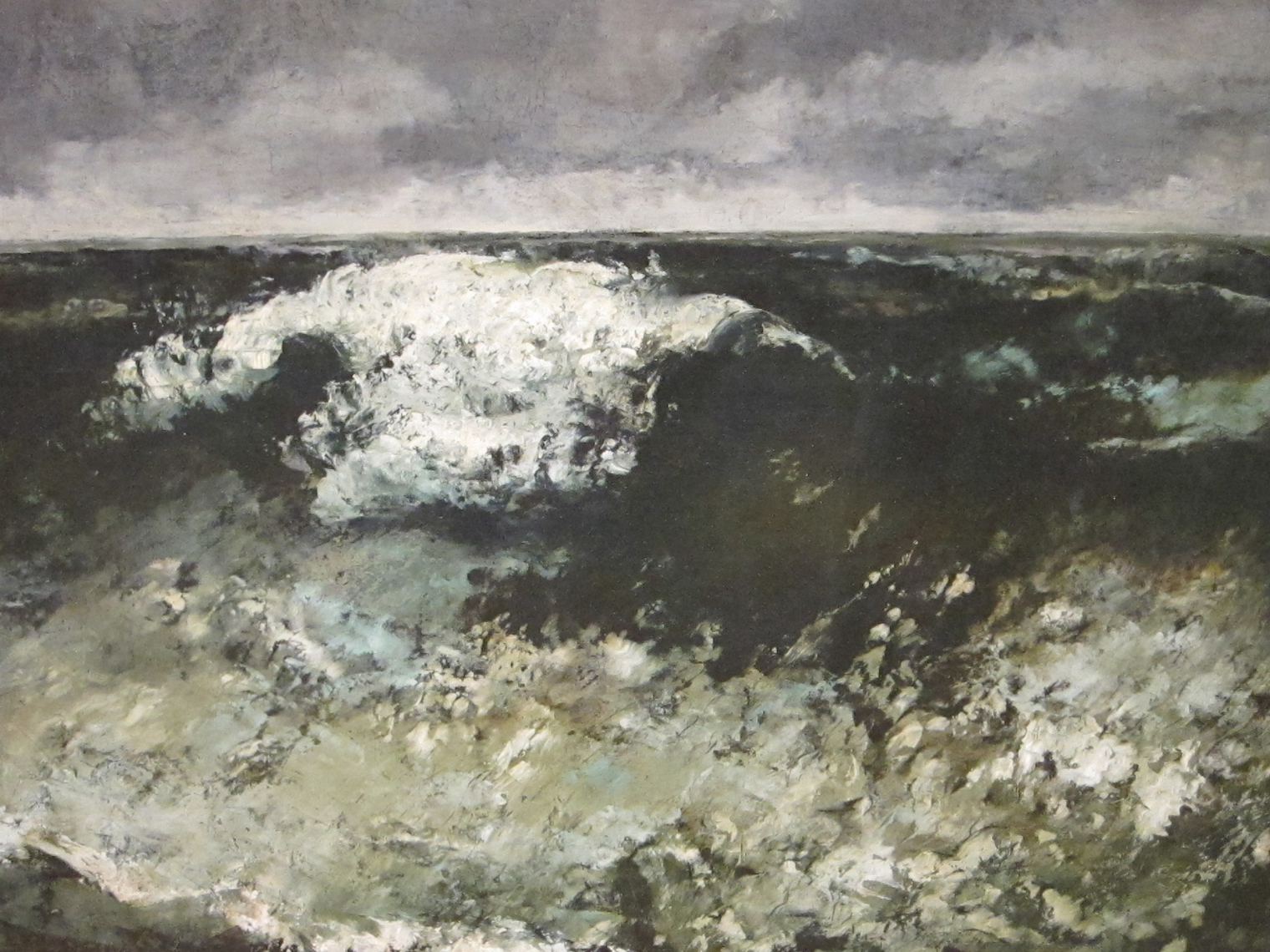
| Courbet, The Stone Breakers, 1849. | Courbet, Beach at Etretat, 1869. |
|
|
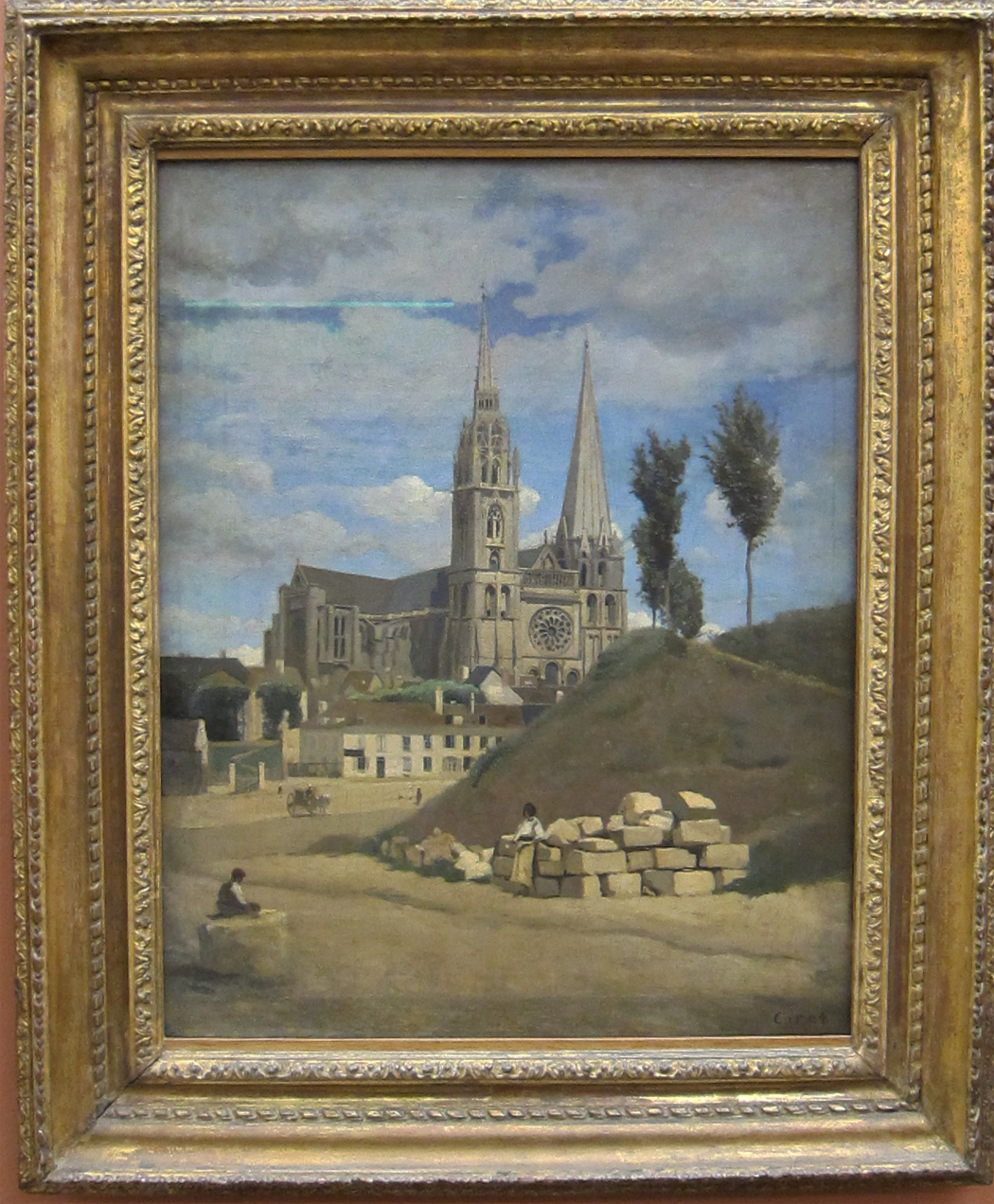
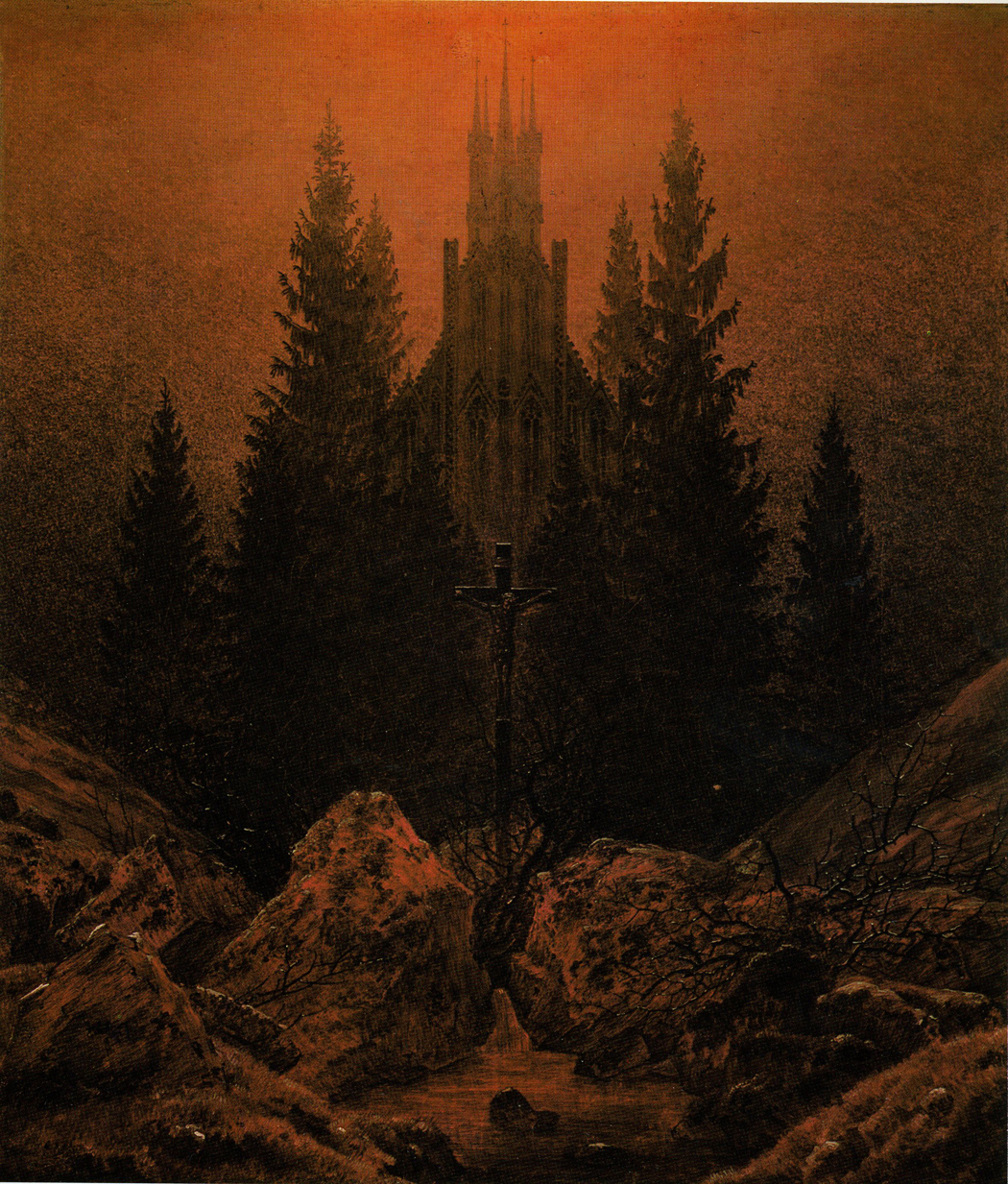
| Corot, Chartres Cathedral, 1830. | Friedrich, Cross and Cathedral, c. 1813. |
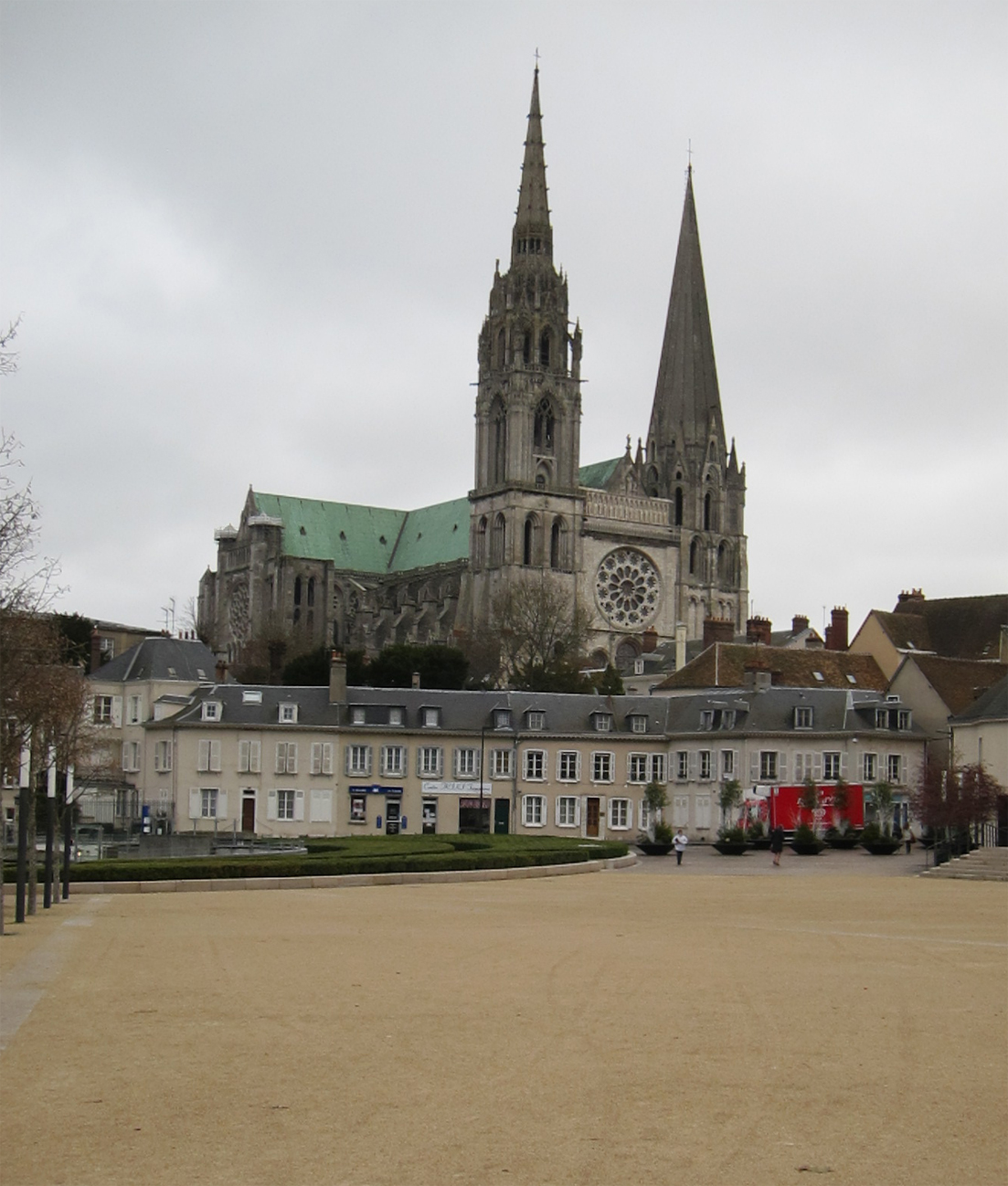
| View of Chartres Cathedral. | |
|
|
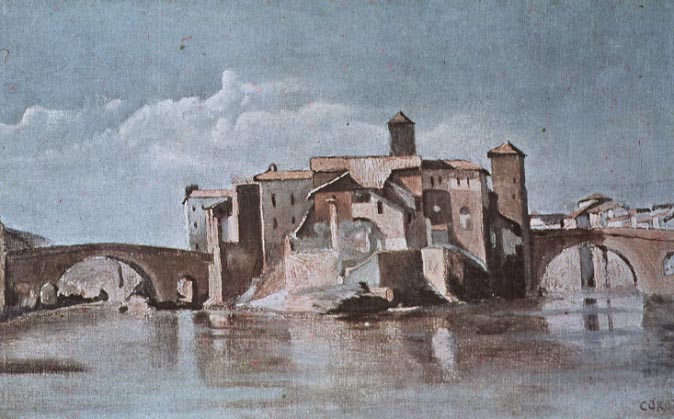
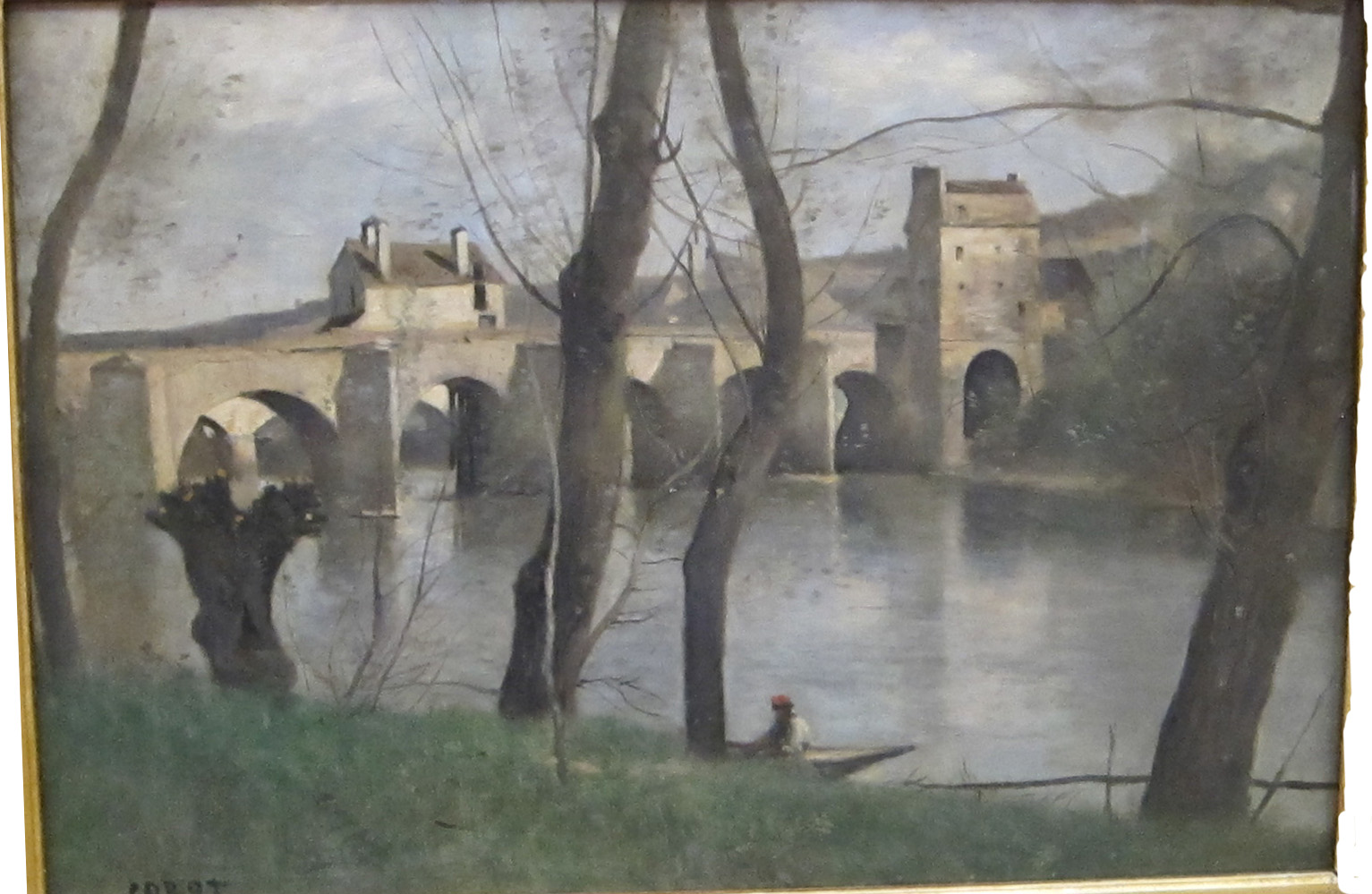
| Camille Corot (1796-1875), Island of San Bartolomeo, 1845. | Corot, The Bridge of Mantes, 1868-70. |
|
|
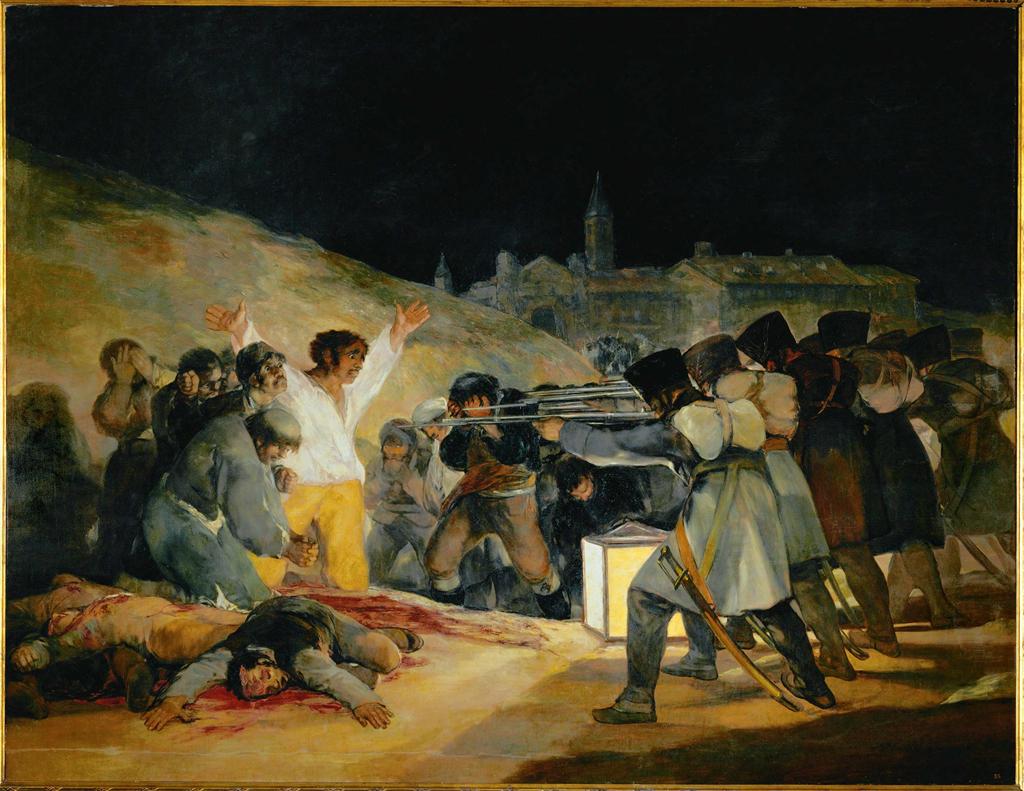
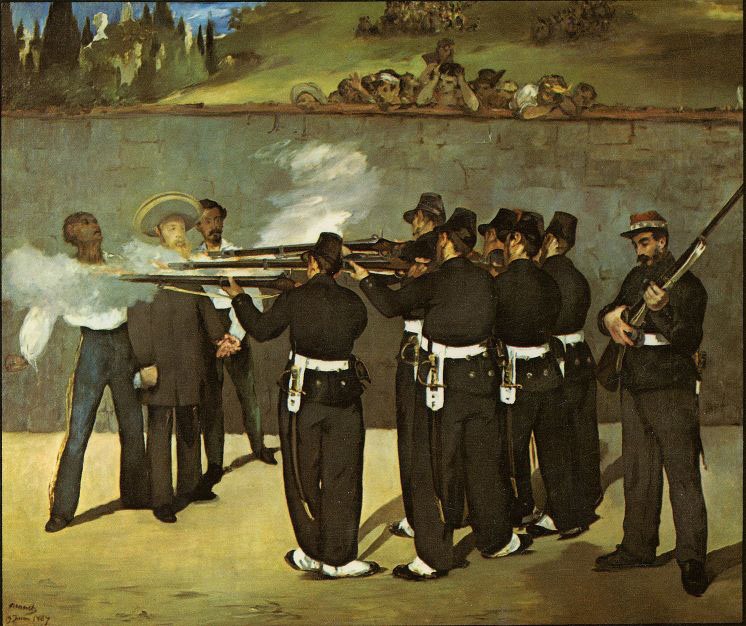
| Edouard Manet (1832-83), Execution of the Emperor Maximillian of Mexico, 1867. | Goya, The Third of May, 1814. |
|
|
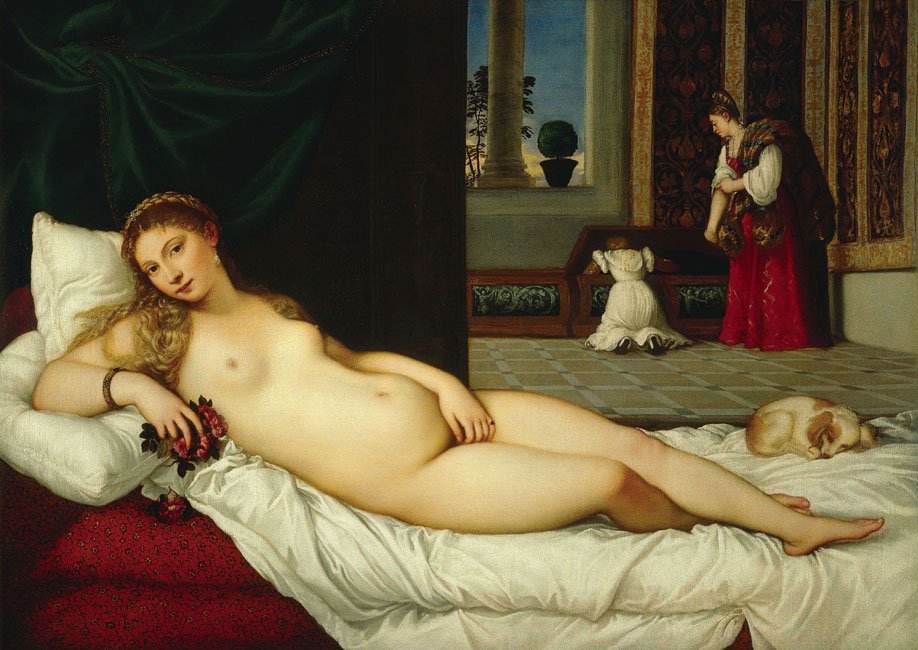
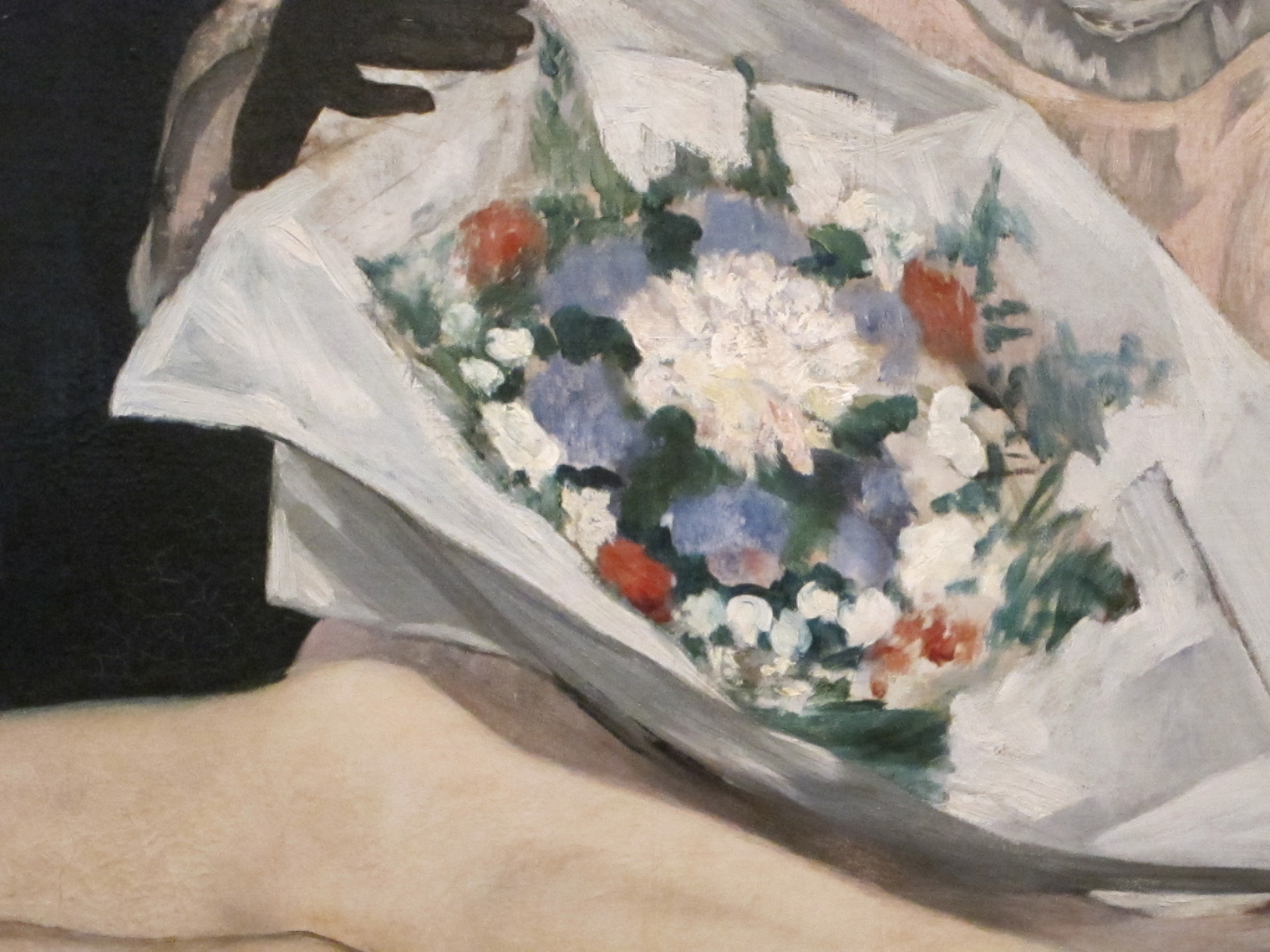
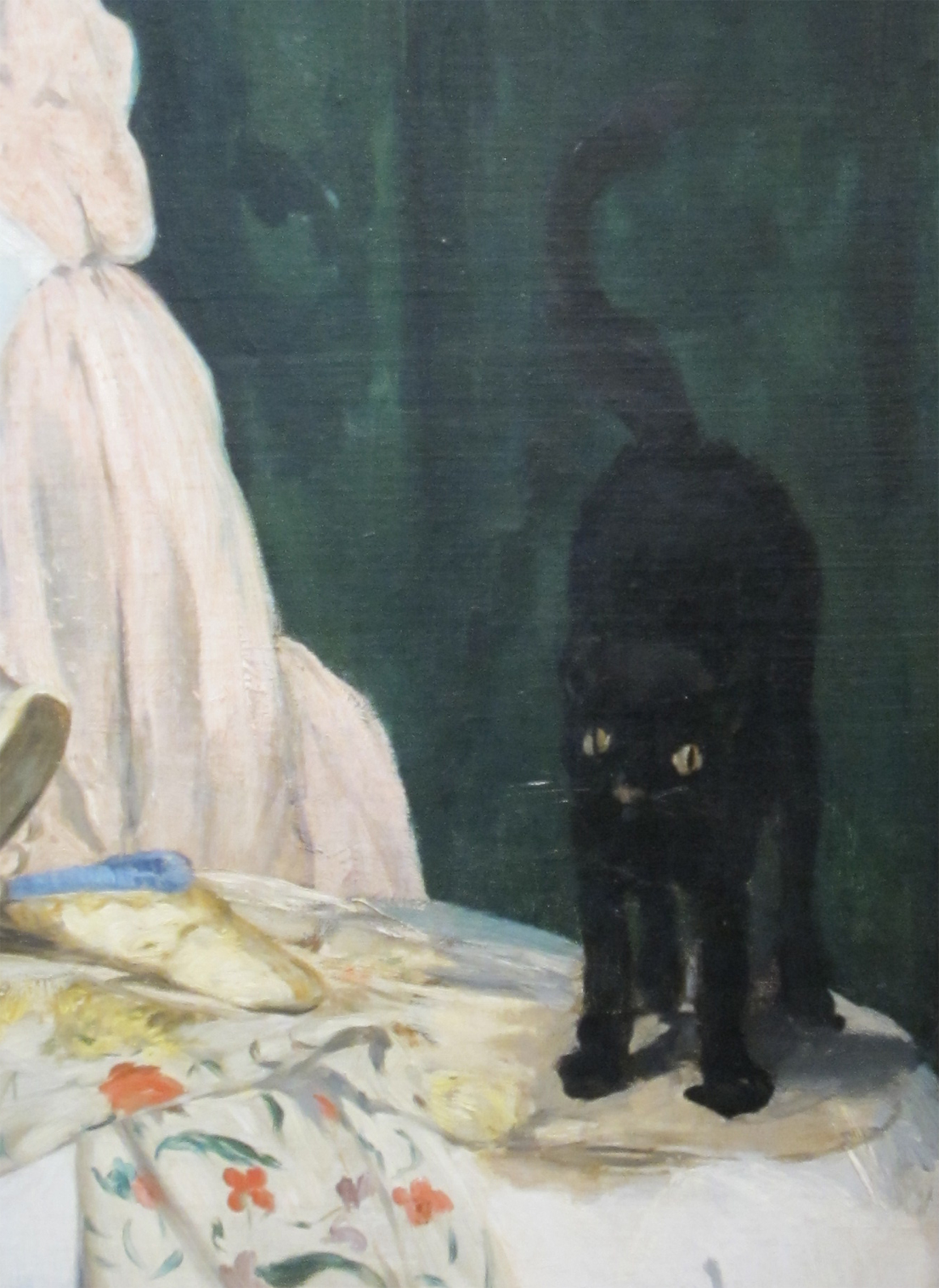
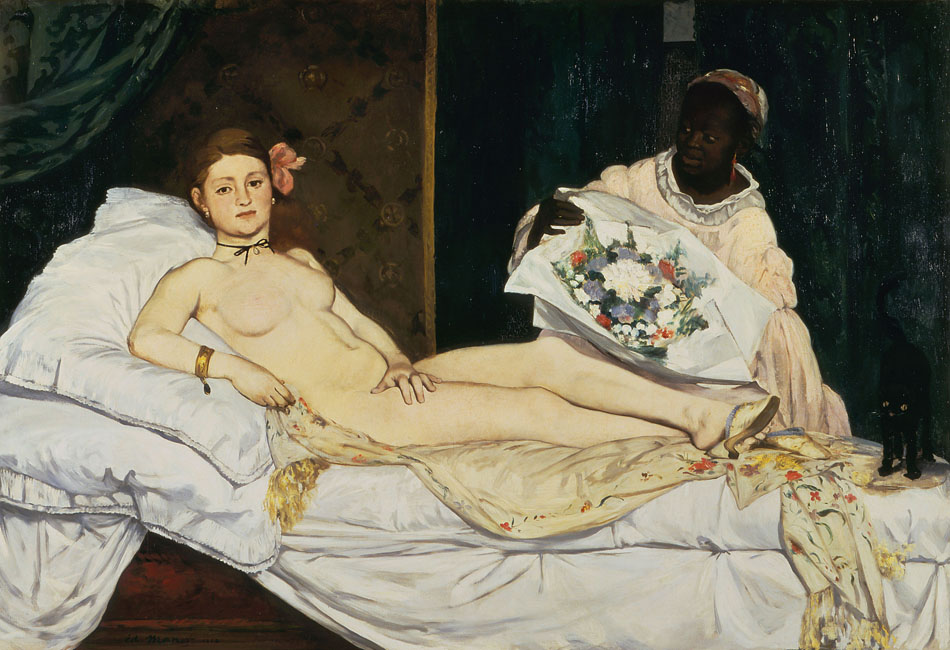
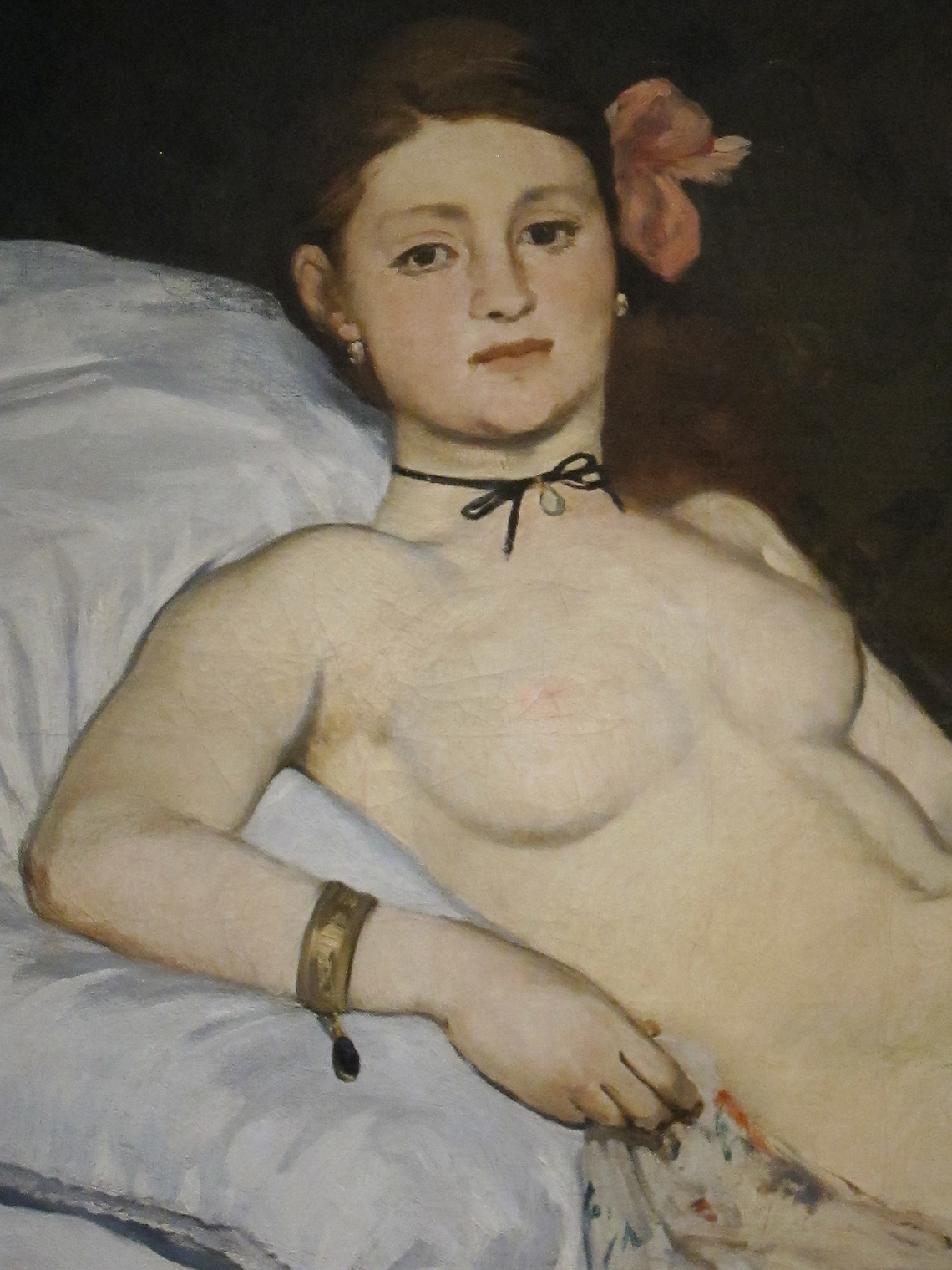
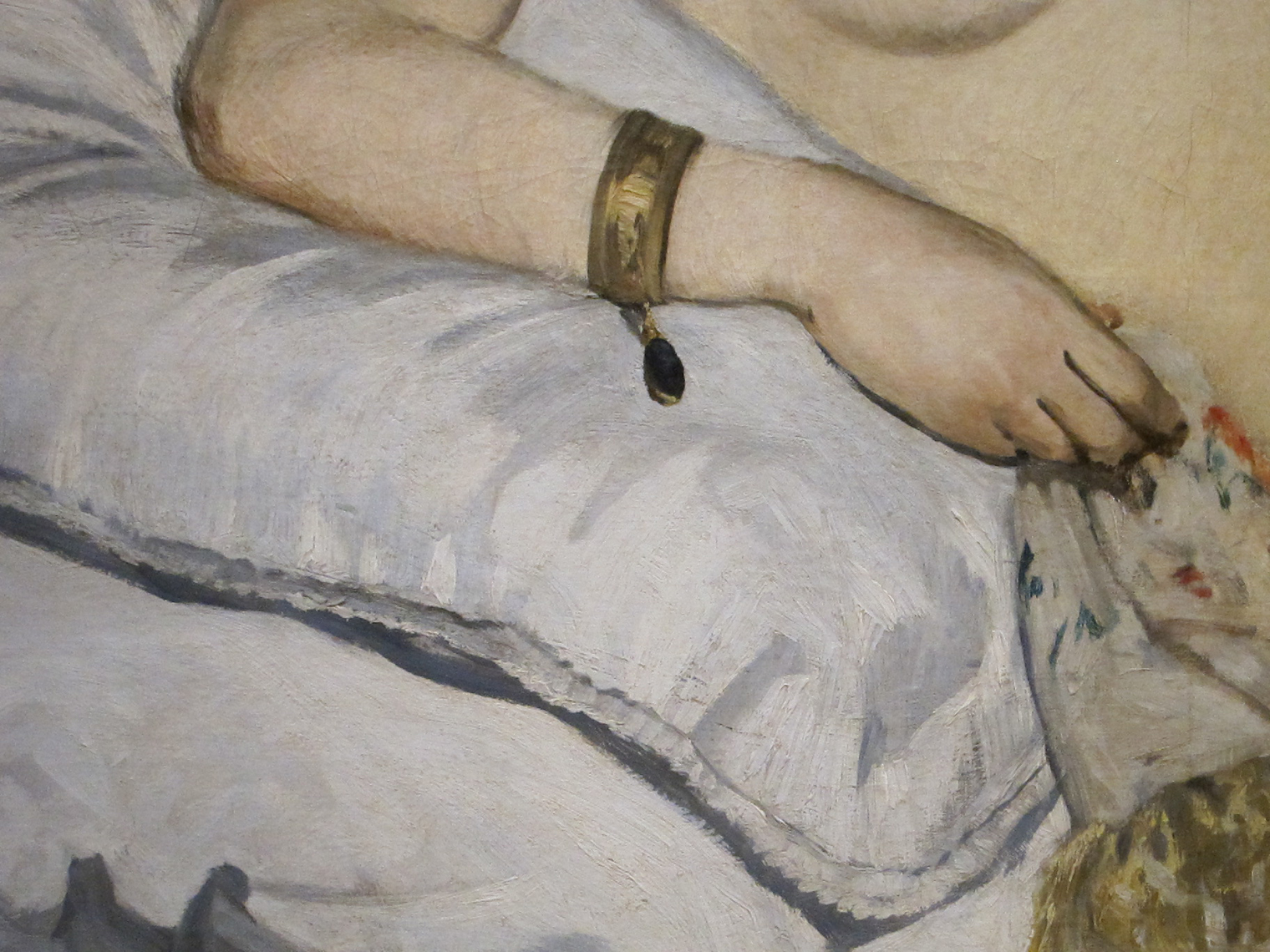
| Manet, Olympia, 1863. | Titian, Venus of Urbino, 1538. |
|
|
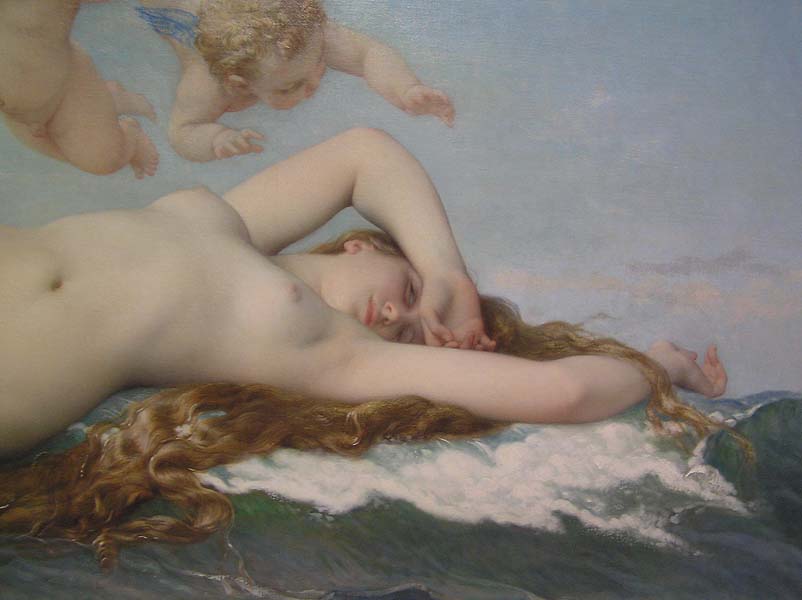
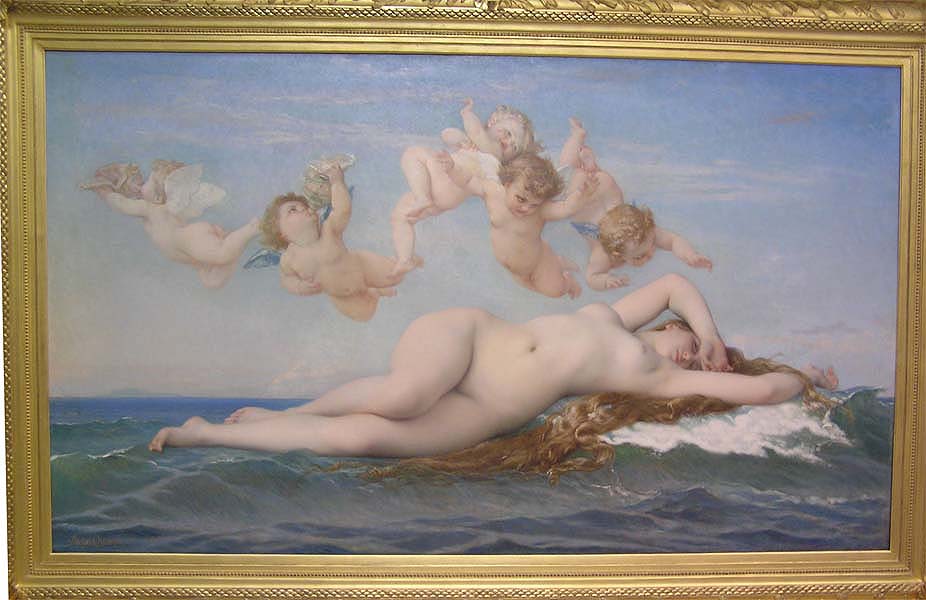
| Cabanel, The Birth of Venus, 1863. |
Courbet: To be able to translate the customs, ideas, and appearances of my time as I see them --in a word, to create a living art-- this has been my aim.
I hold also that painting is essentially a concrete art, and can consist only of the representation of things both real and existing.... An abstract object, invisible or nonexistent, does not belong to the domain of painting. Show me an angel, and I'll paint one.
|
|
| Courbet, Burial at Ornans, 1848-50. | Gericault, Raft of the Medusa, 1818-19. |
Compare and contrast these two artists' attitudes towards painting.
|
|
| Corot, Chartres Cathedral, 1830. | Friedrich, Cross and Cathedral, c. 1813. |
Compare and contrast these two artists' attitudes towards landscapes.
|
|
| Manet, Execution of the Emperor Maximilian of Mexico, 1867. | Goya, The Third of May, 1814. |
Both of these works are based on contemporary events. Discuss the different roles these artists play in recording the events. Note how the styles are adapted to the content.