Chemistry
111
Fall 2008
Bill Vining
CHEMISTRY 111 WILLIAM VINING
SECTIONS 5-9 232 PHYSICAL SCIENCES BLDG.
FALL 2008 ViningWJ@oneonta.edu
Office Hours: M 3-4, T 3-4, F 11-12 Phone 436-2698
Links to
Materials
Using a Spectronic-20 Spectrophotometer
Laboratory Experiment
Downloads
Growing
Crystals and Viewing
Moles Download Both this
week
Synthesizing Alum from an Aluminum Can Prelab Assignment
Analysis of a Mixture Prelab
Assignment
Determination of the Molar Mass of an Acid: Acid-Base Titrations Prelab Assignment
Spectrophotometric
Determination of Copper Part B Writeup
Directions
Synthesis and Analysis of a Copper Complex
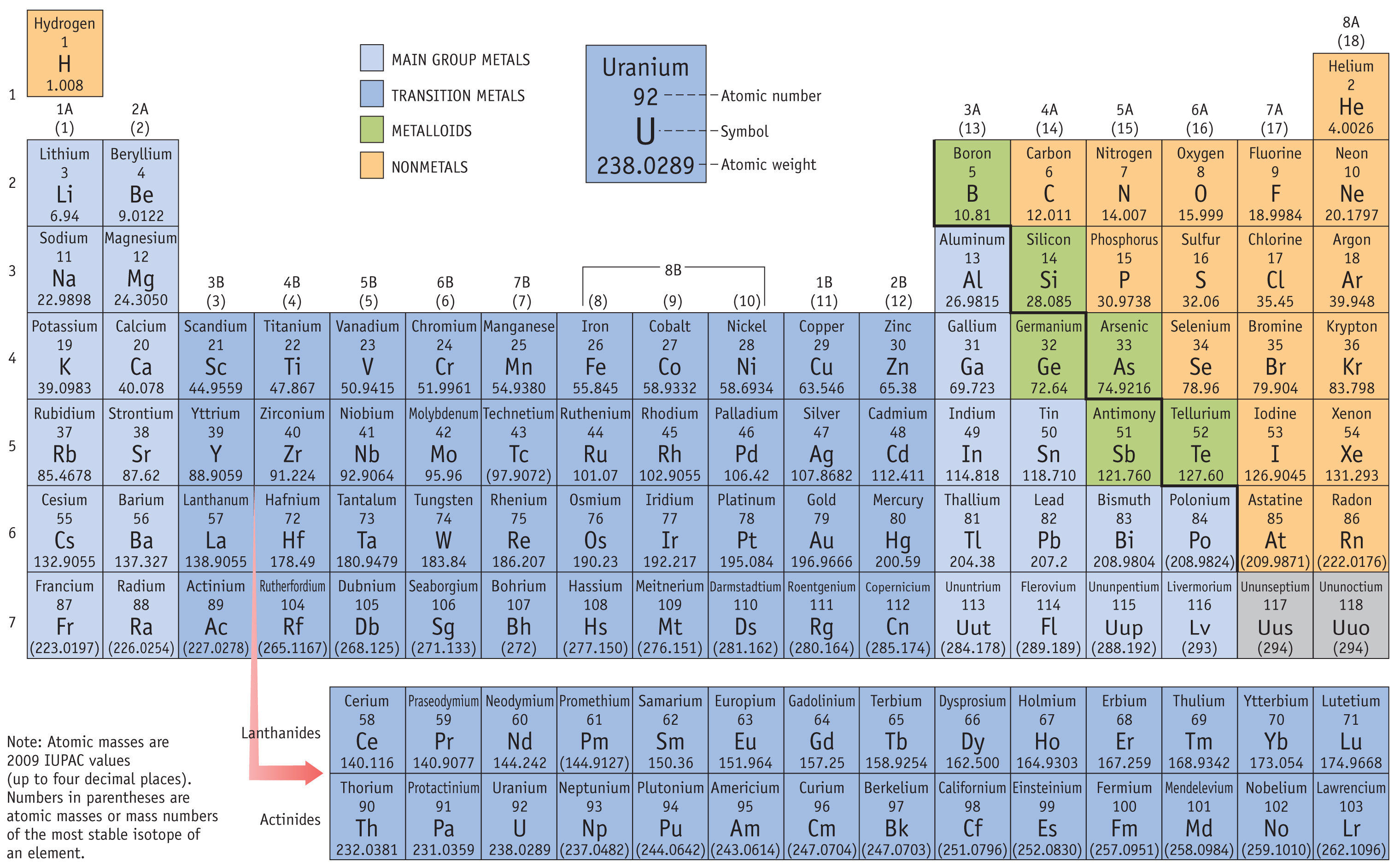
Properties
of the Elements + New Report Form
Textbook Chapters for
Downloading
Chapter 4 Organic Reactions Supplement
PowerPoint Files
Chapter 4 Part 1b (video lecture) this is just the PowerPoint file- print it
to take notes on
Link to the Video
Lecture
Annotated Versions
Chapter 4 Part 2:
Precipitation
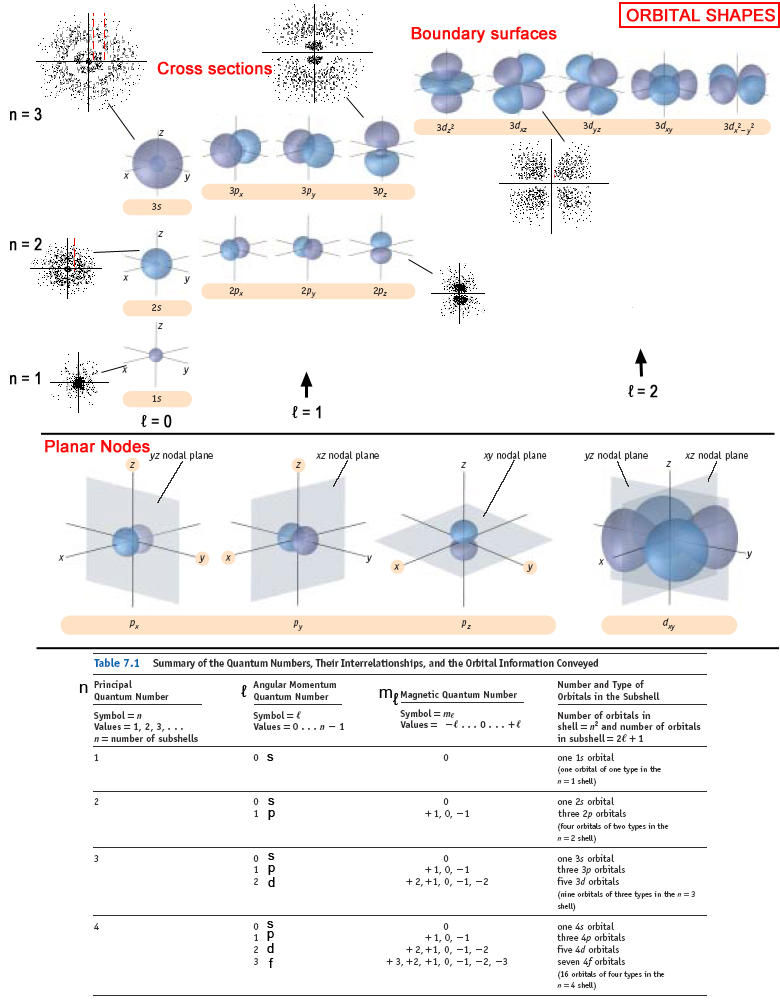
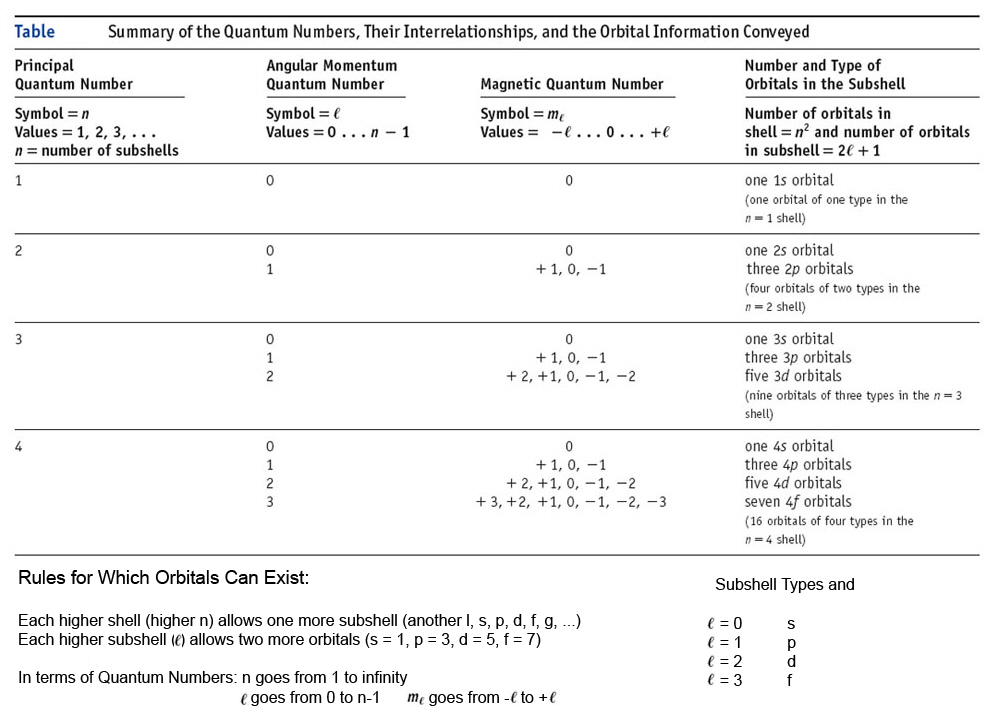
Chapter 7 Part 1: Electron
Configurations
Chapter 7 Part 2: Periodic Properties
Chapter 8 Molecular Structure and
Bonding
Video Lectures
Chapter
4, Part B. Precipitation Reactions 10-6-2008
Example:
Determining the Solubility of Ionic Compounds
Chapter
4, Part B. Precipitation Reactions, 10-8-2008
Chapter
4, Part B. Gas Forming Reactions 10-13-2008
Chapter
4, Part C. Redox Reactions 10-15-2008
Chapter
4, Part C. Redox Reactions 10-17-2008
Chapter
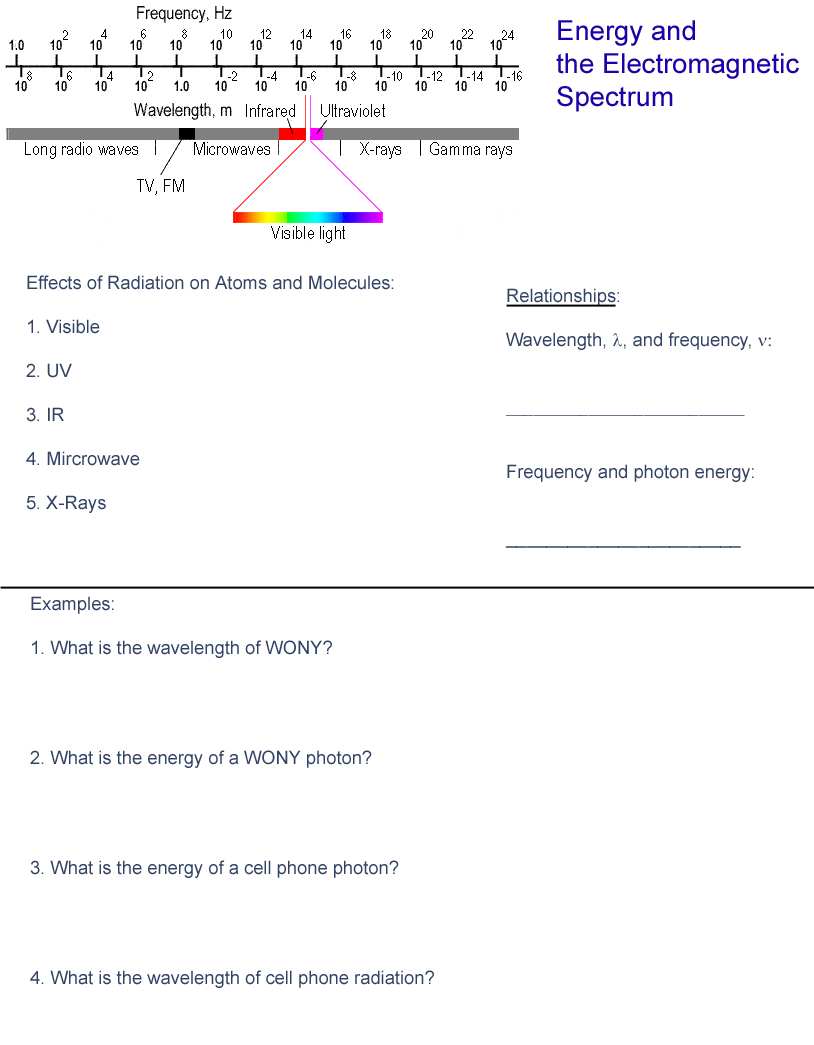
6, Part A. Electromagnetic Radiation 10_20_2008
Chapter
6, Photons and the like 10_22_2008
Chapter
6, H-Atom, Quantum Mechanics 10_24_2008
Chapter
6, Orbitals and Quantum Numbers 10_27_2008
Chapter
7, Electron Configurations 10_29_2008
Chapter
7, Electron Configurations 11_3_2008
Chapter
8, Bonding and Lewis Structures 11_7_2008
Chapter
8, Bonding, Lewis Structures, Properties of Bonds 11_10_2008
Chapter
8, Molecular Structure (lecture while away)
Chapter
9, Valence Bond Theory 12_3
Chapter
5, Thermochemistry 12_3_2008
Chapter
5, Thermochemistry 12_10_2008
Other Downloads
Chapter 1
Challenge Question Answers: Chapter 1
Chapter 2
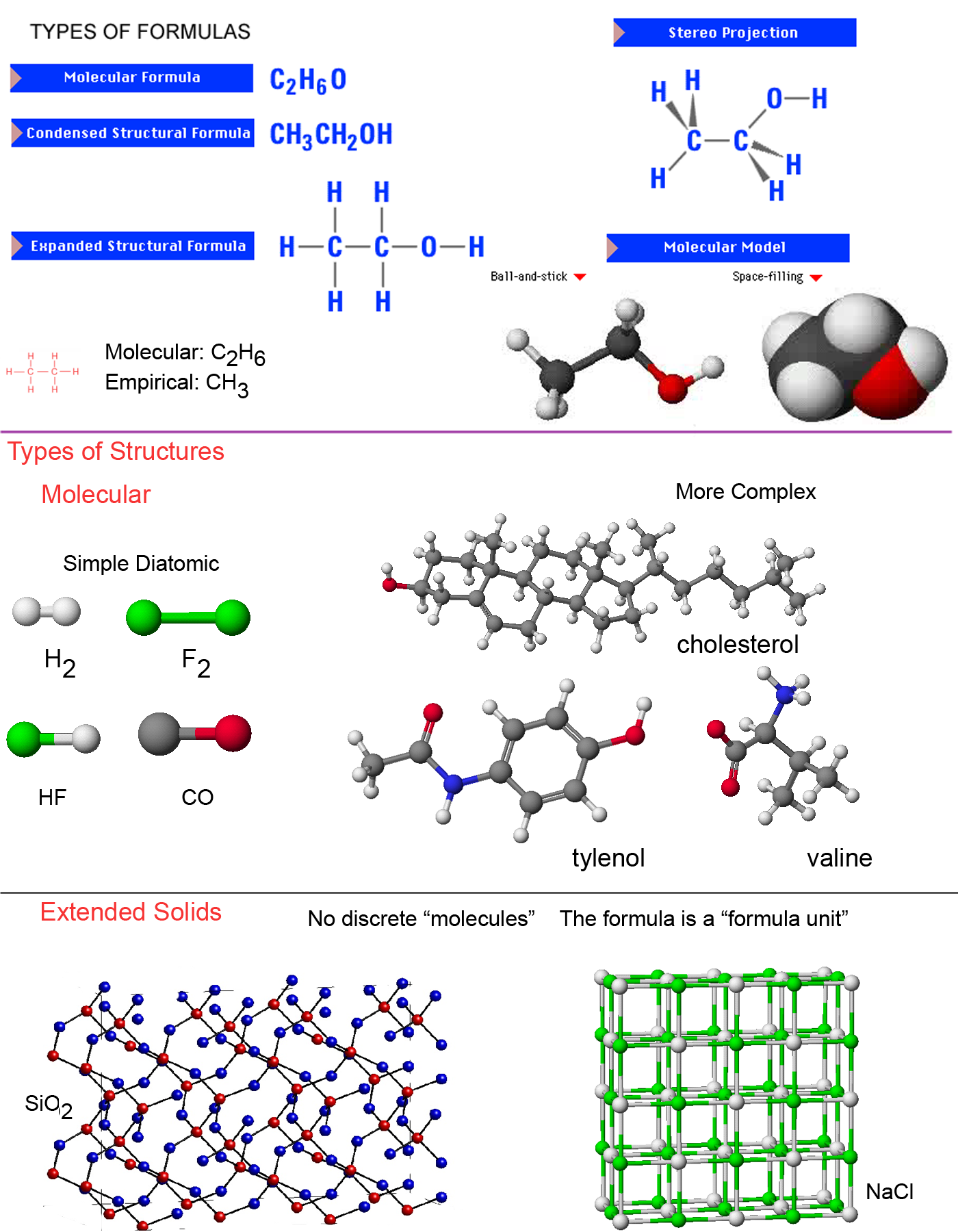
Types of Formulas and Structures
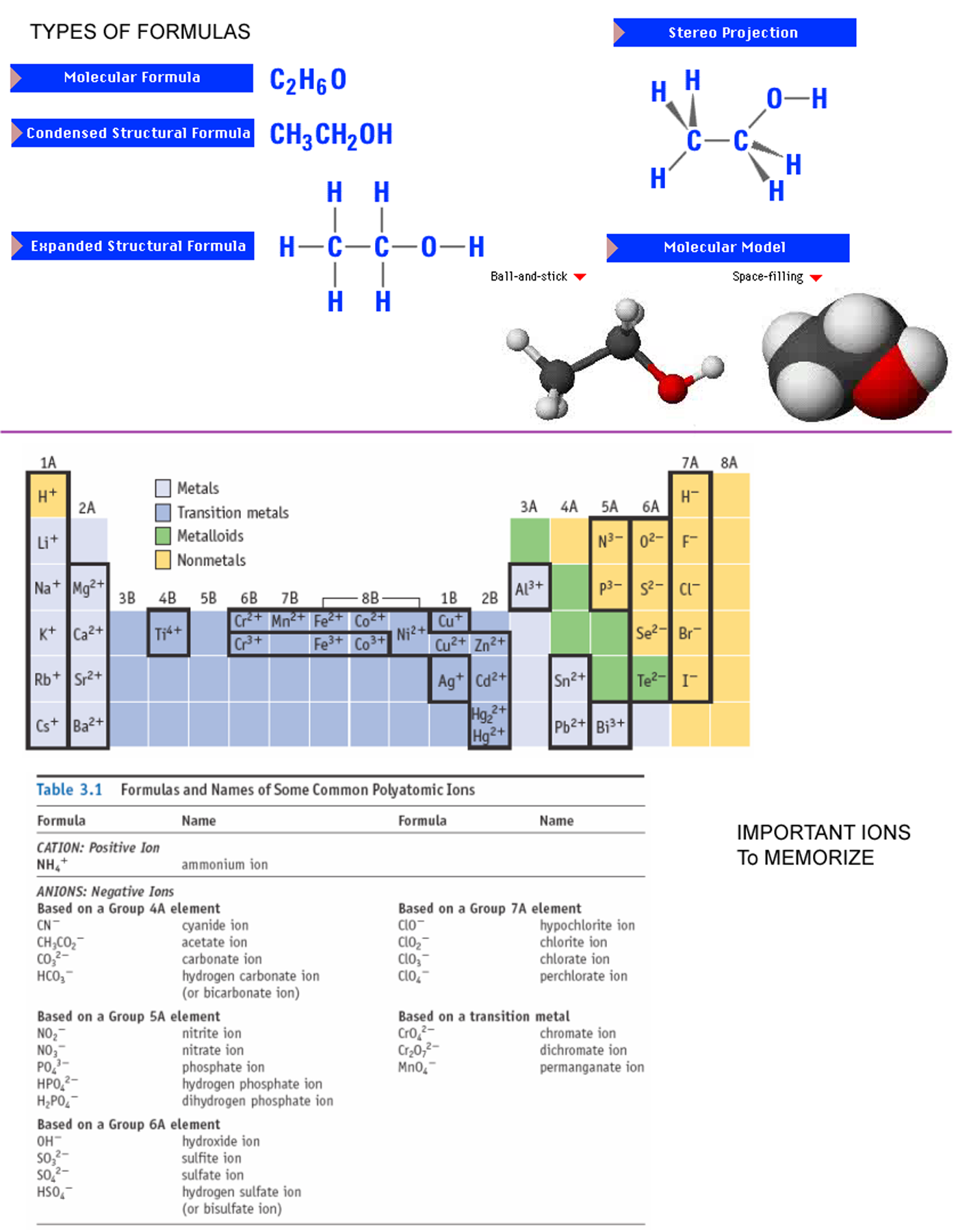
Tables of Ions and Types of Formulas
Formulas and Names of Ions and Ionic Compounds: PRS
Chapter 3
Stoichiometry and Balanced Reactions Handout
Percent Composition & Hydrated Compound Worksheet
Stoichiometry Examples and Alum Lab Writeup
Stoichiometry Limiting Reactant Handout
Chapter 4
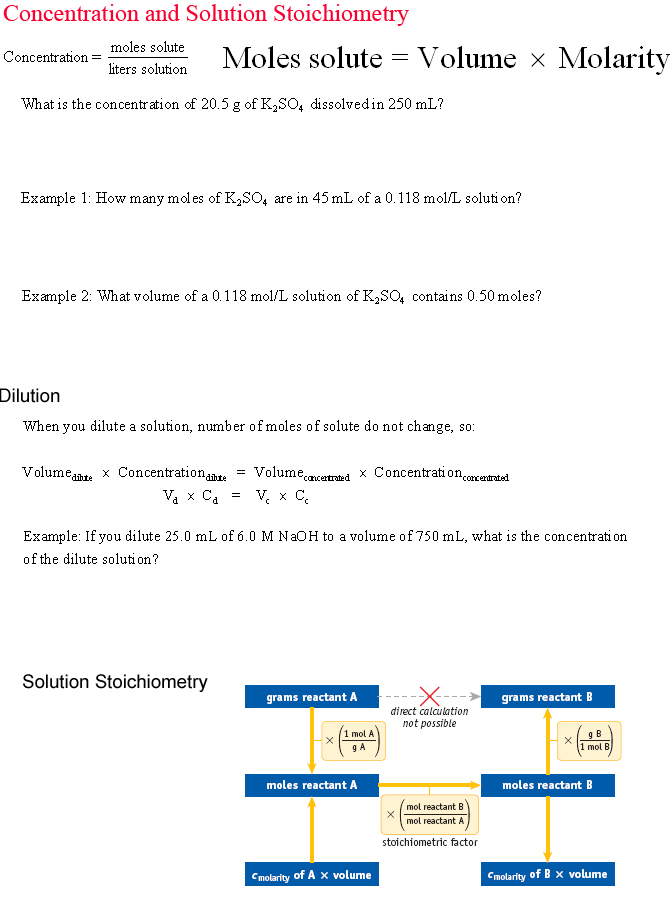
Solution Stoichiometry Flow Chart
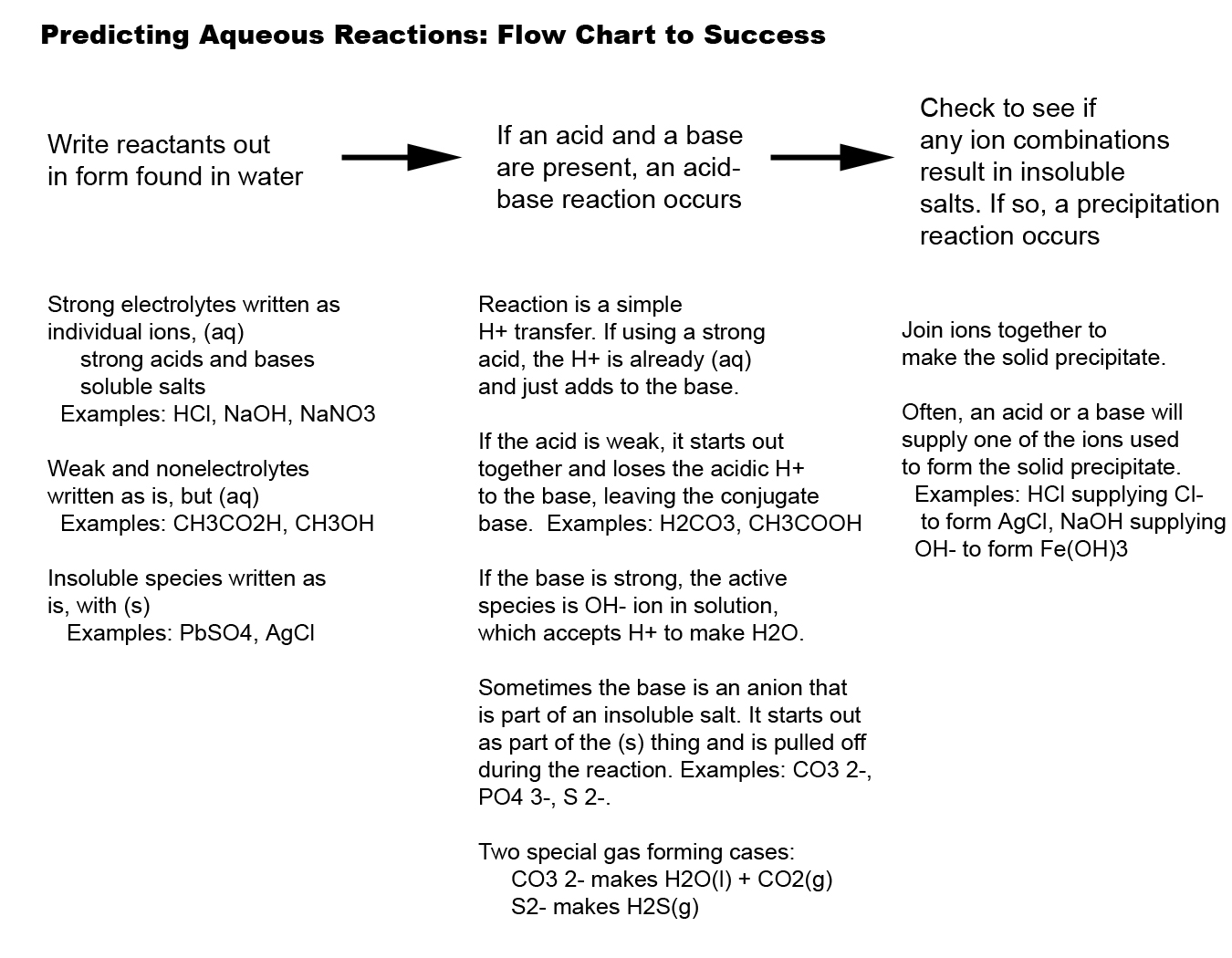
Predicting Aqueous Reactions Flow Chart
Redox Oxidation Number Worksheet
Recognizing Redox Reactions/Other Types of Reactions
Important Types of Organic Reactions
Solution Stoichiometry Examples
Super Net Ionic Equation Help Sheet
Oxidation Number Game (download and run; Windows only)
Chapter 5
Thermochemistry Handout #1_2007
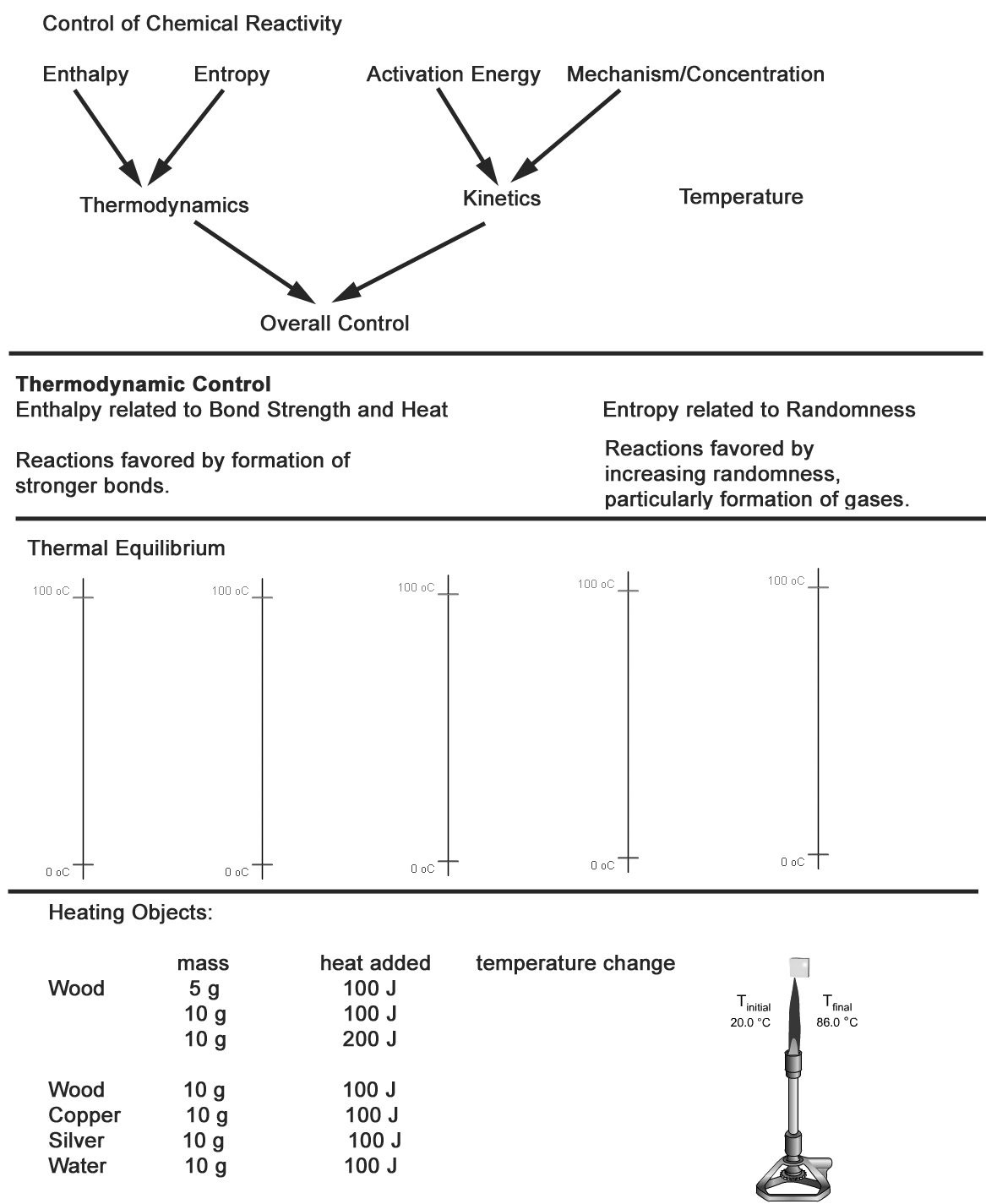
Thermodynamic Control of Reactivity and Specific Heat
Chapter 6
Chapter 7
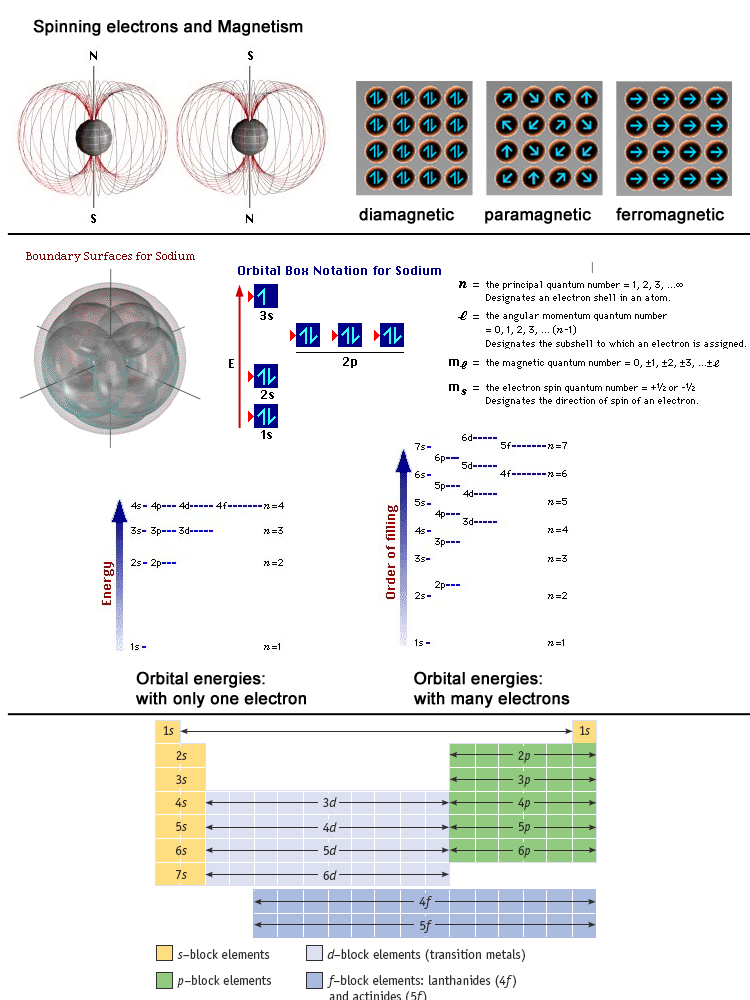
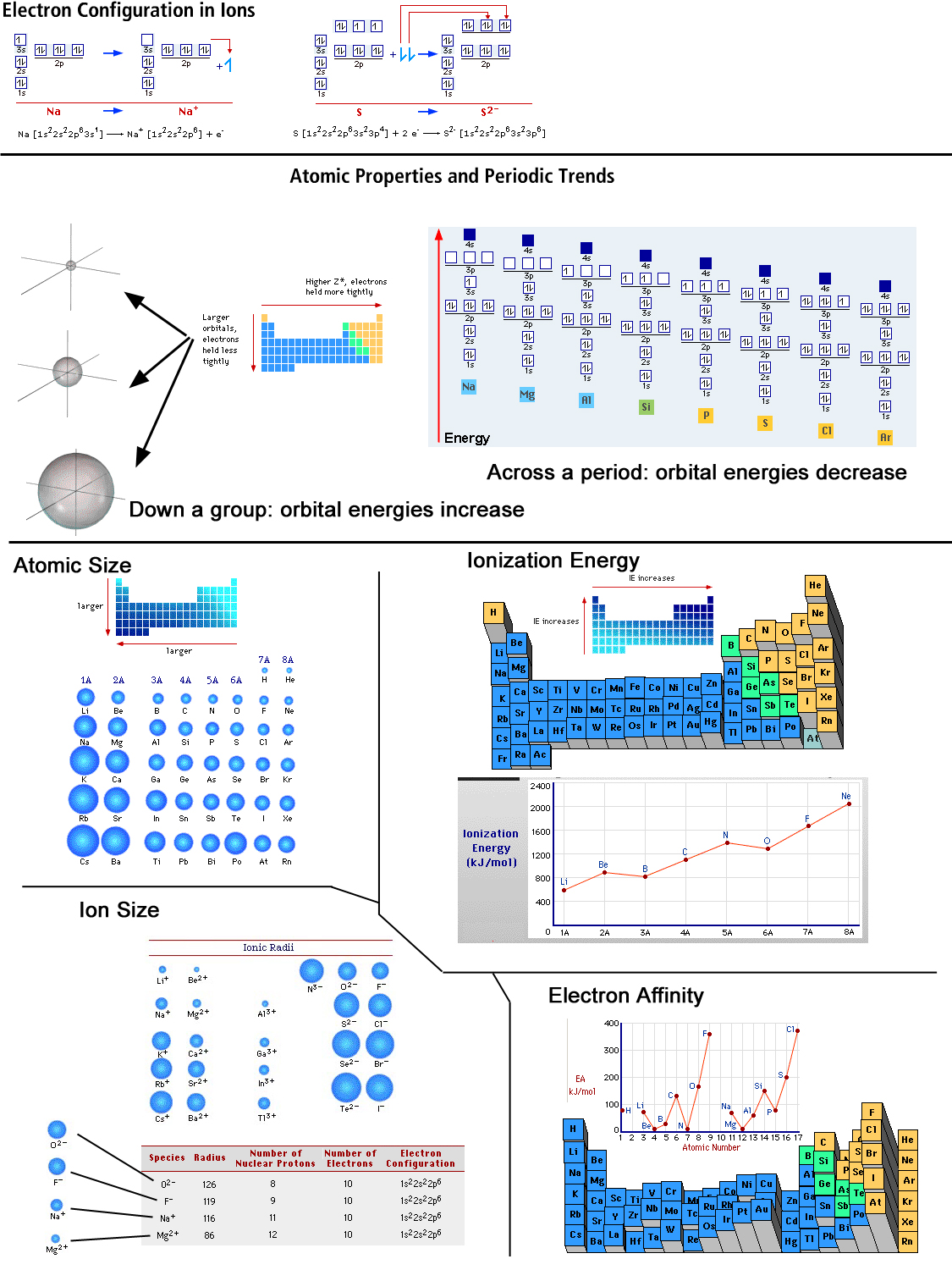
Electron Spin and Orbital Energies
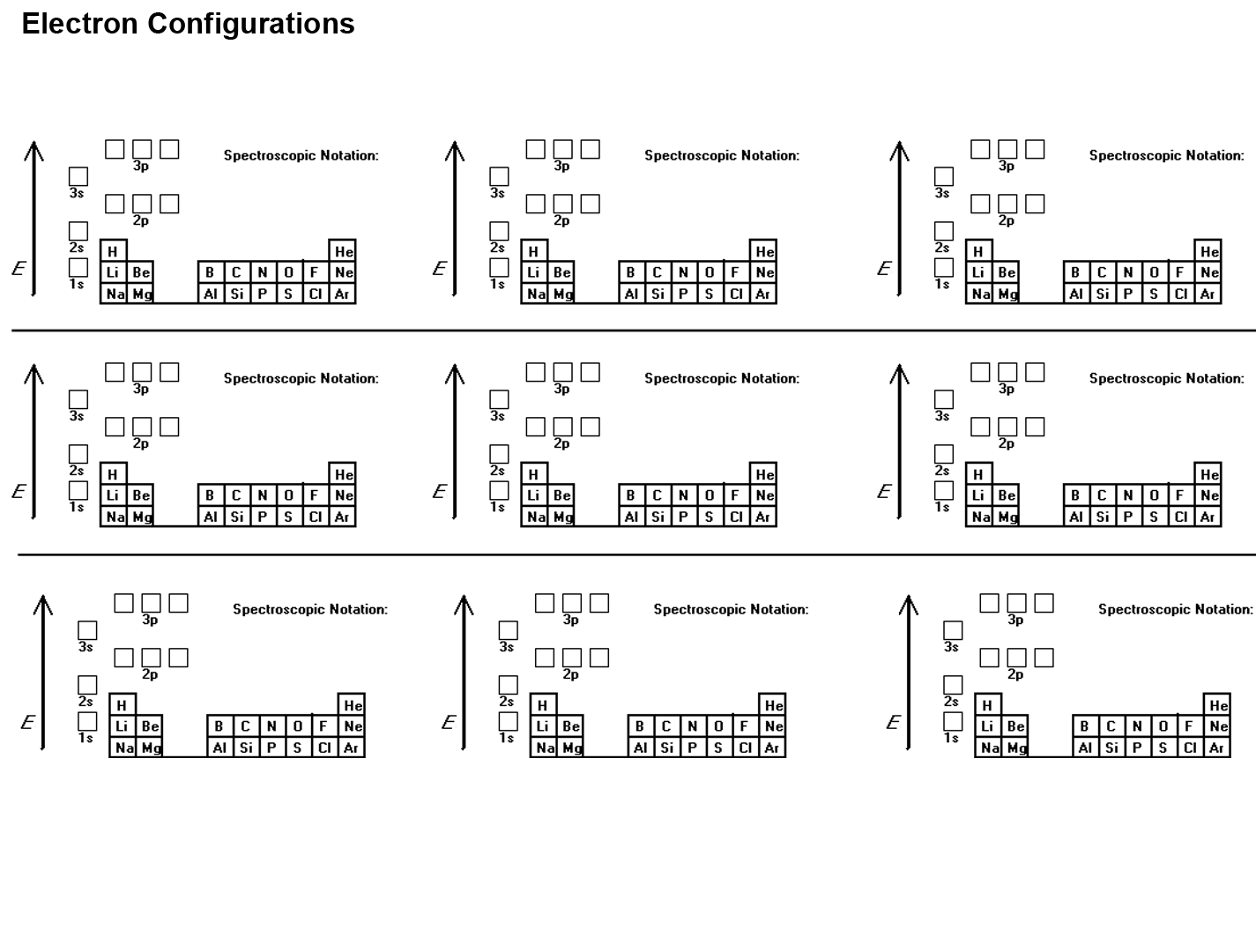
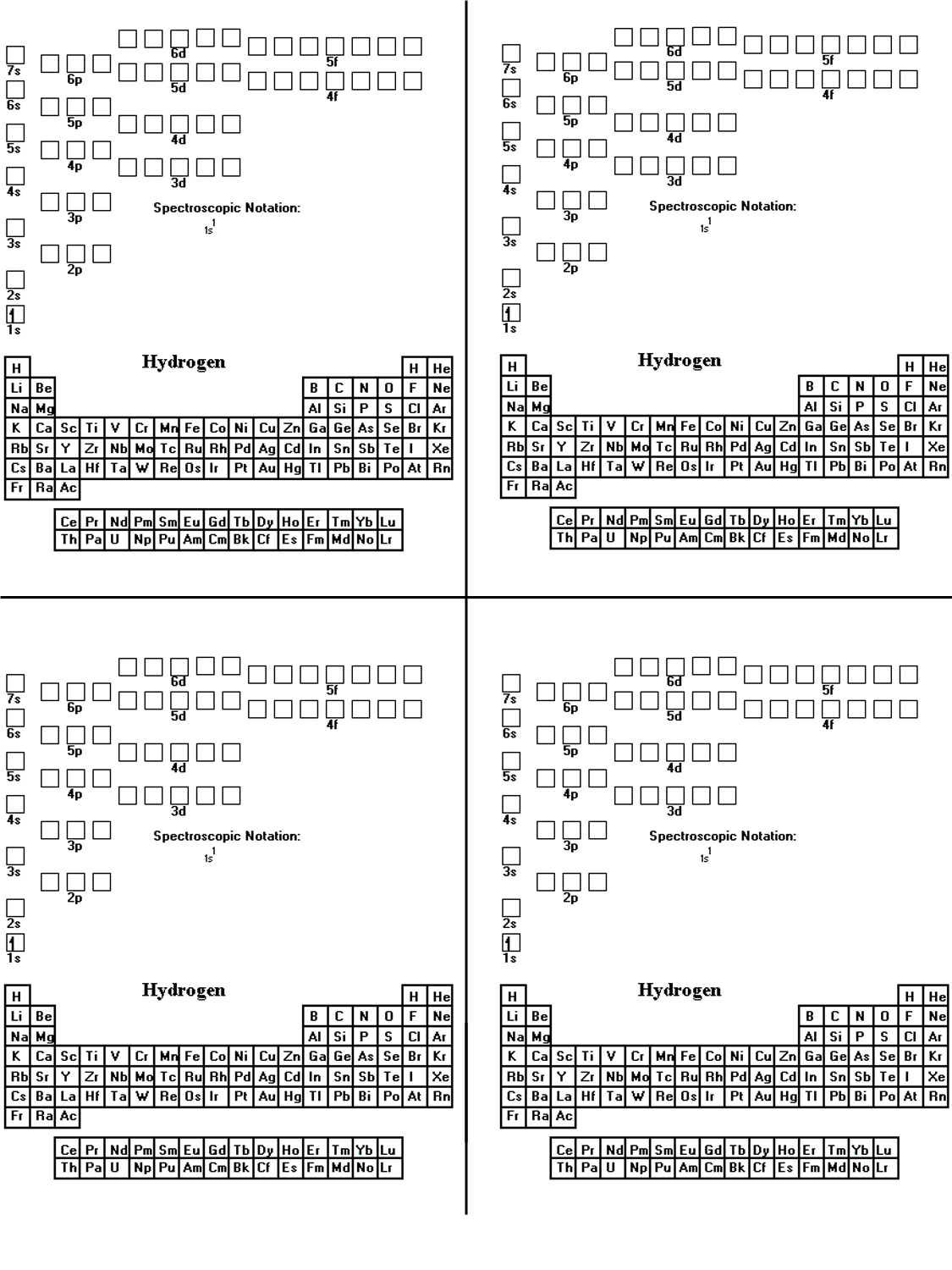
Electron Configuration: Blanks I
Electron Configuration: Blanks II
Periodic Properties of the Elements
Chapter 8
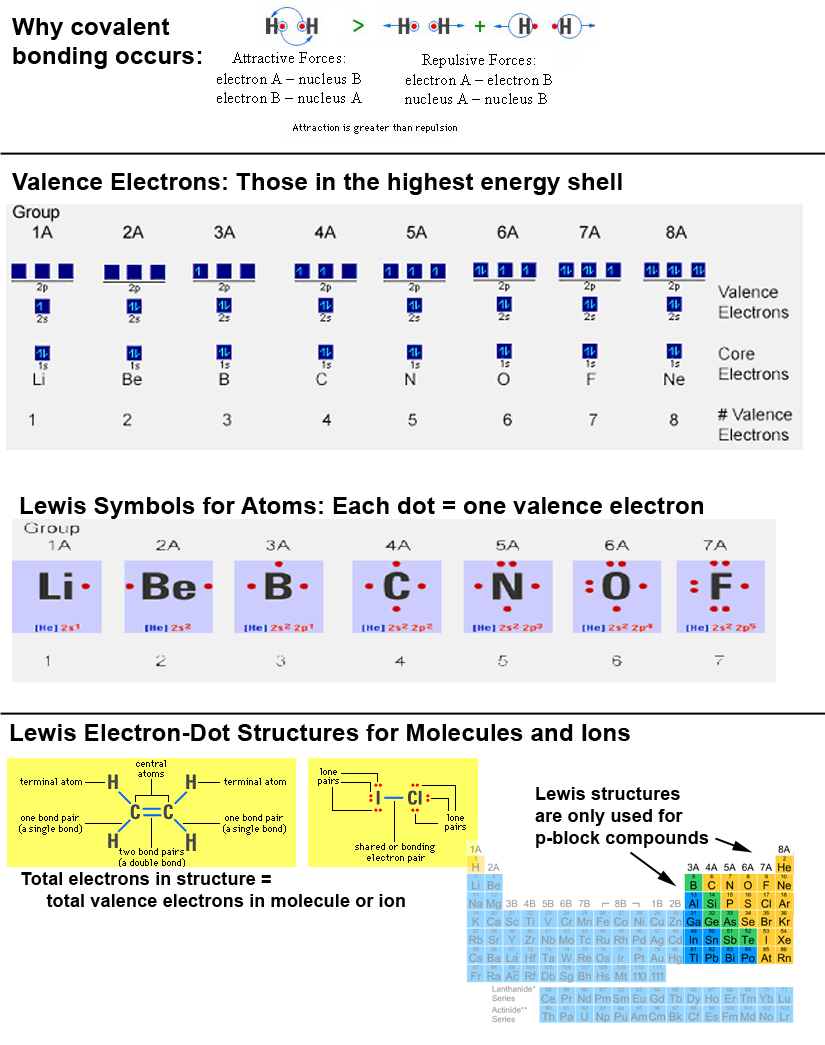
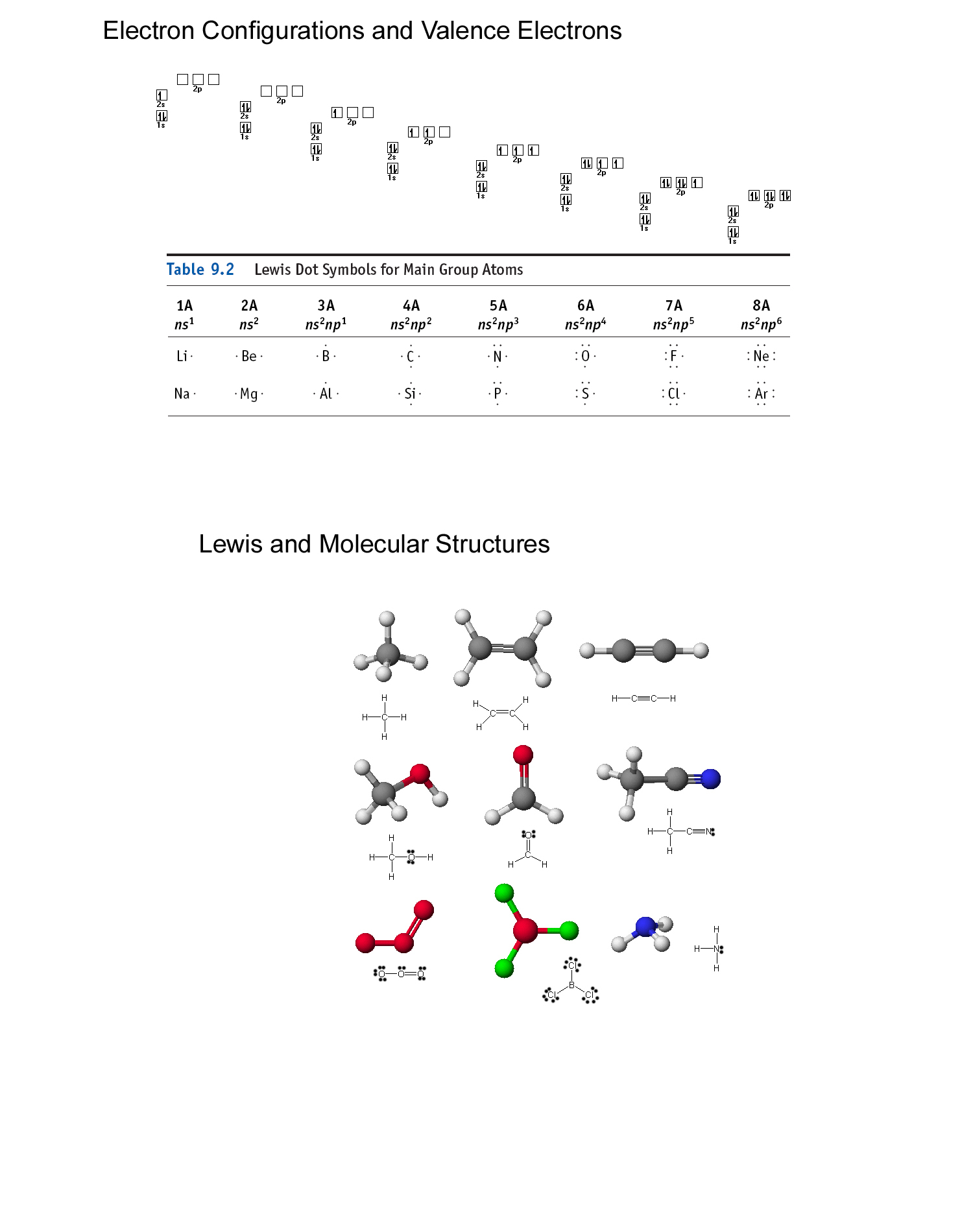
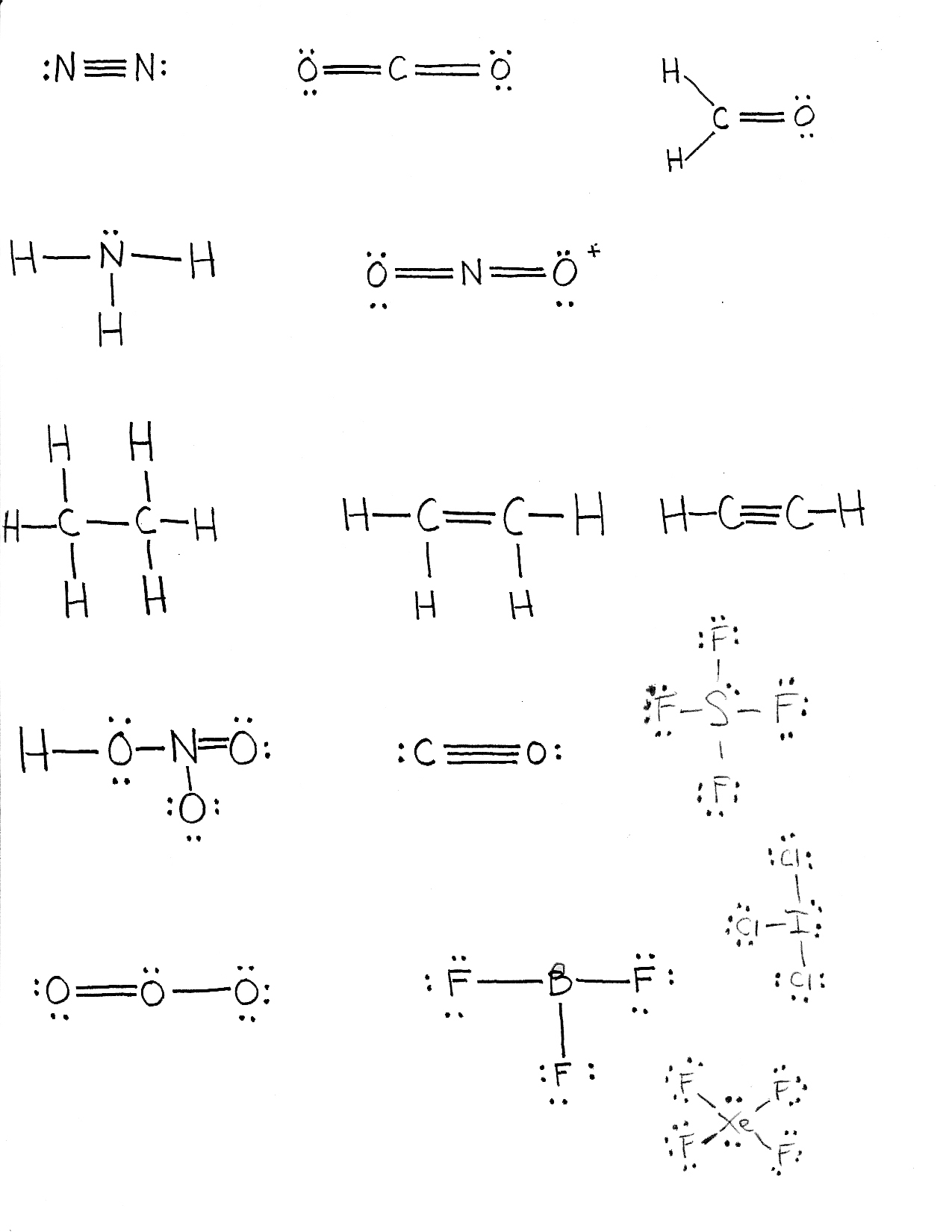
Valence Electrons and Lewis Structures
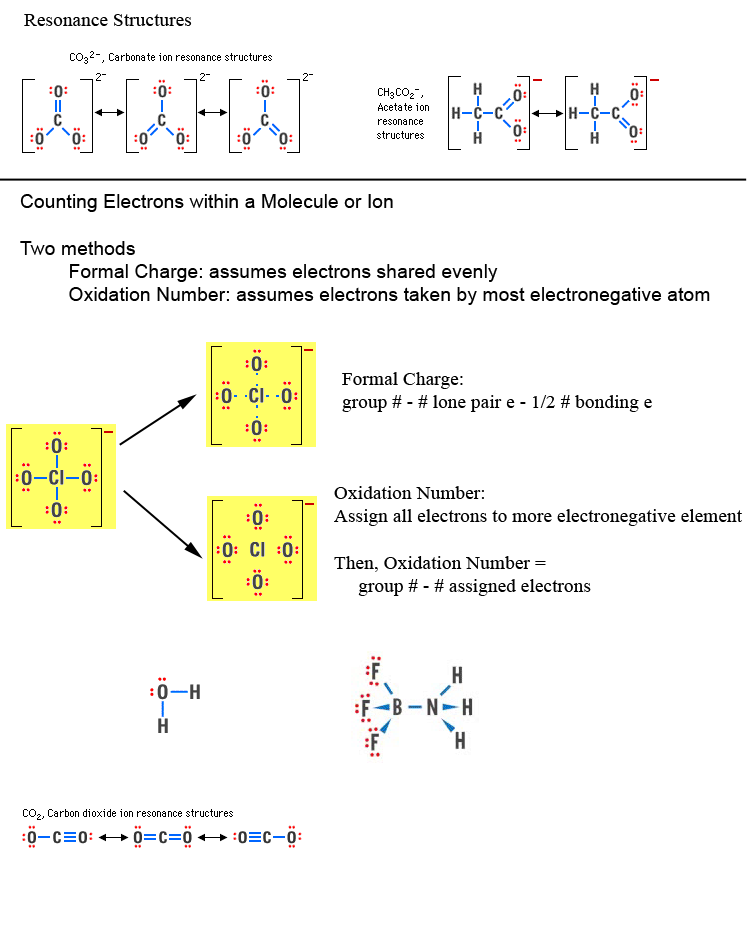
Resonance, Oxidation Numbers and Formal Charge
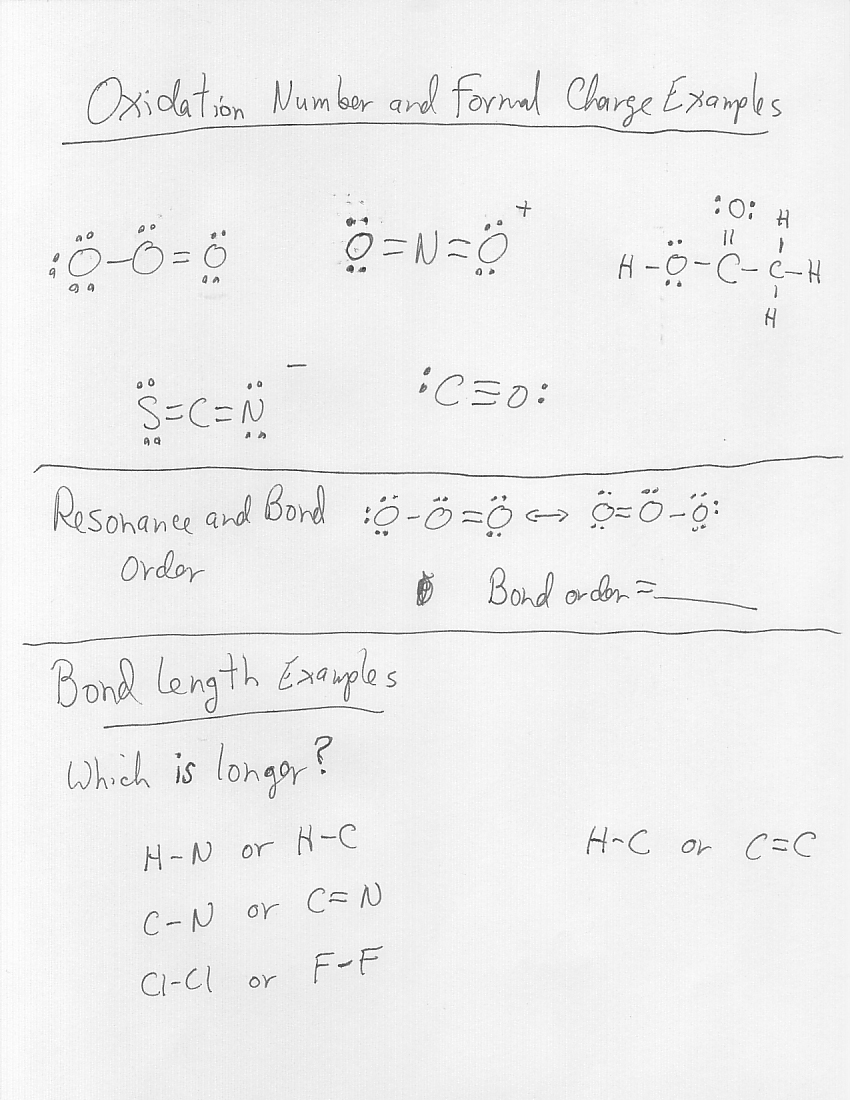
In-Class Oxidation Number/Formal Charge Examples
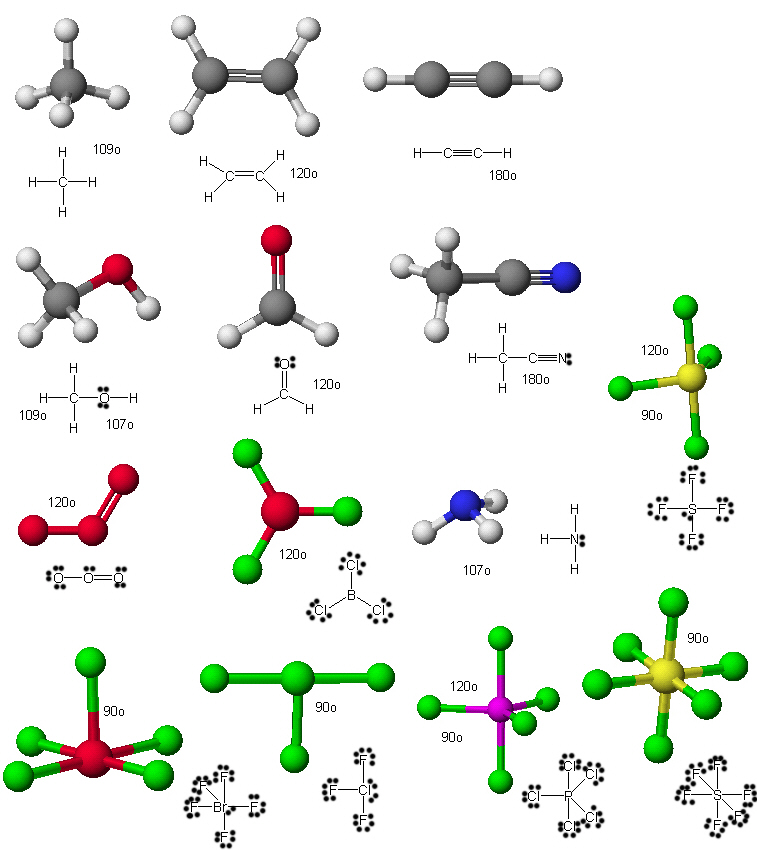
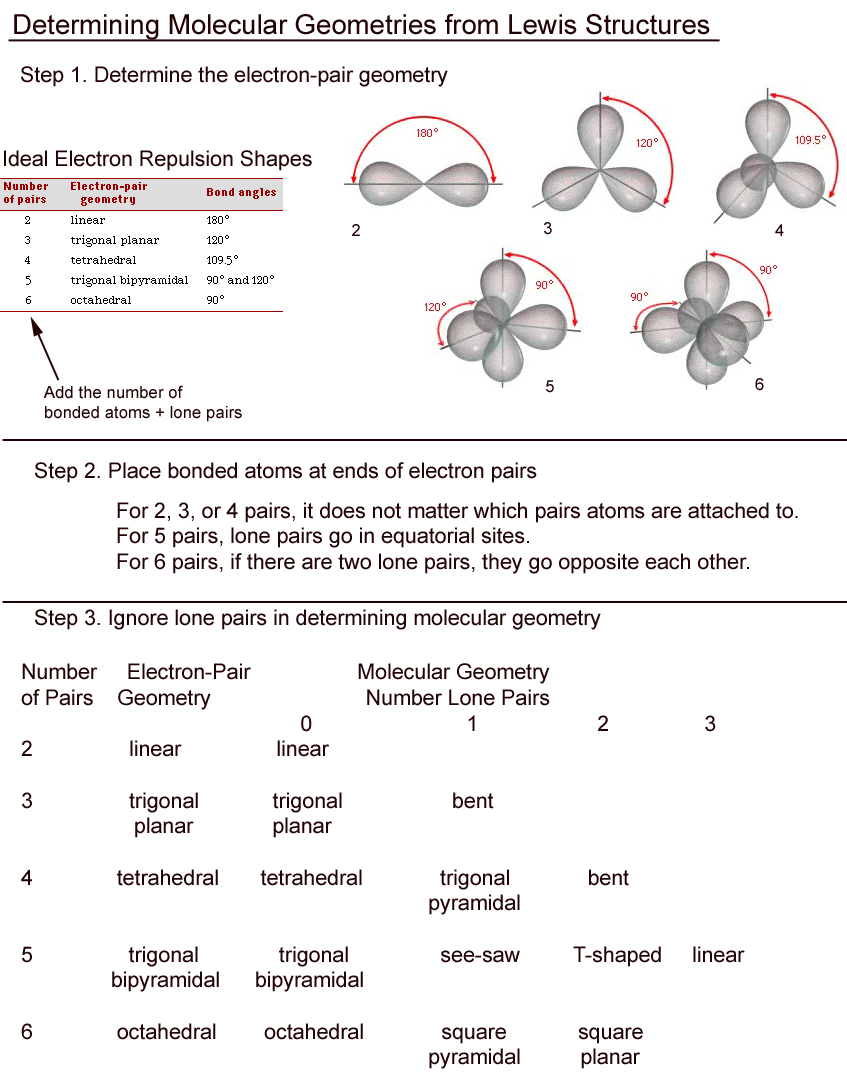
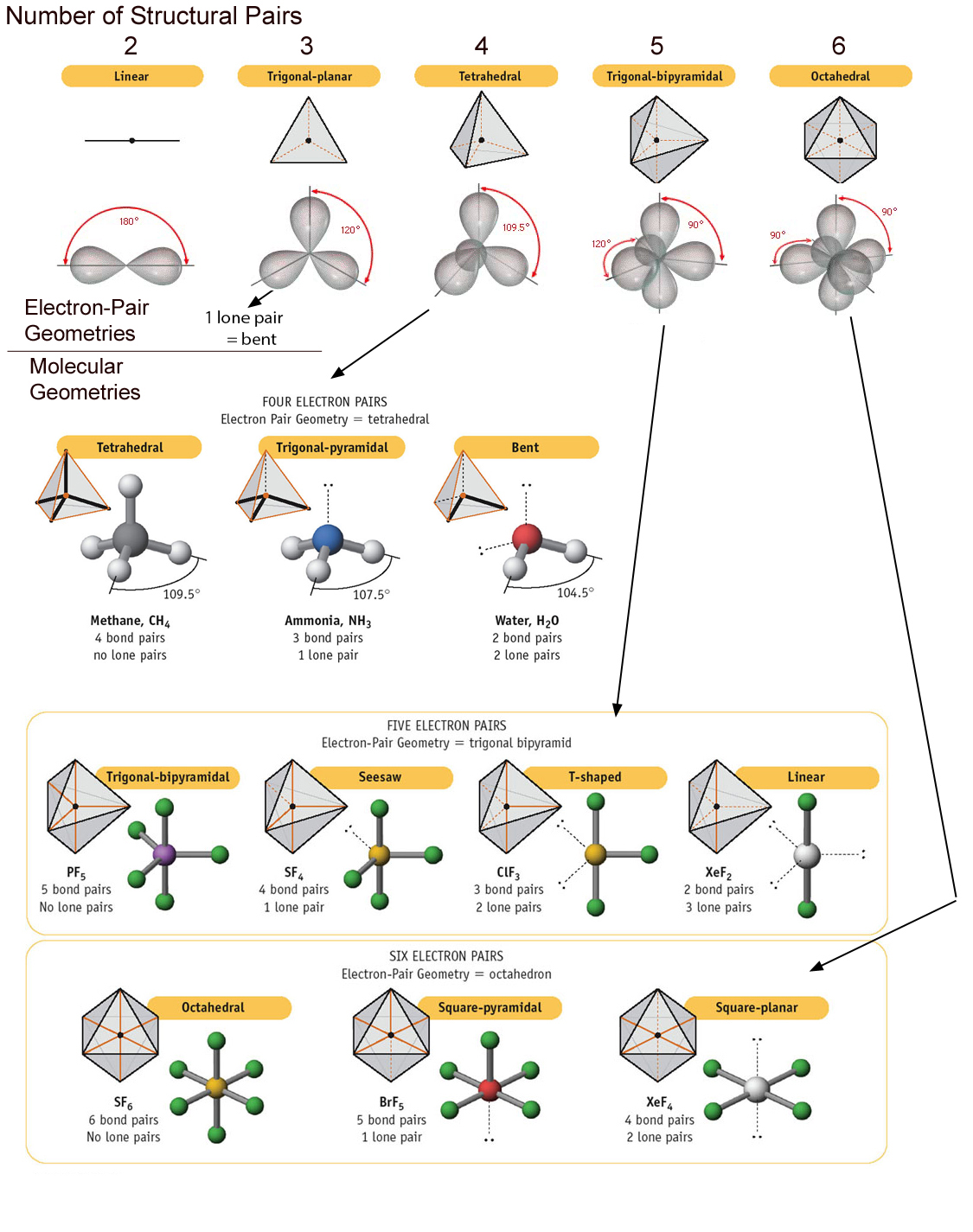
Valence Electrons and Molecular Structure
How to Determine Molecular Structure
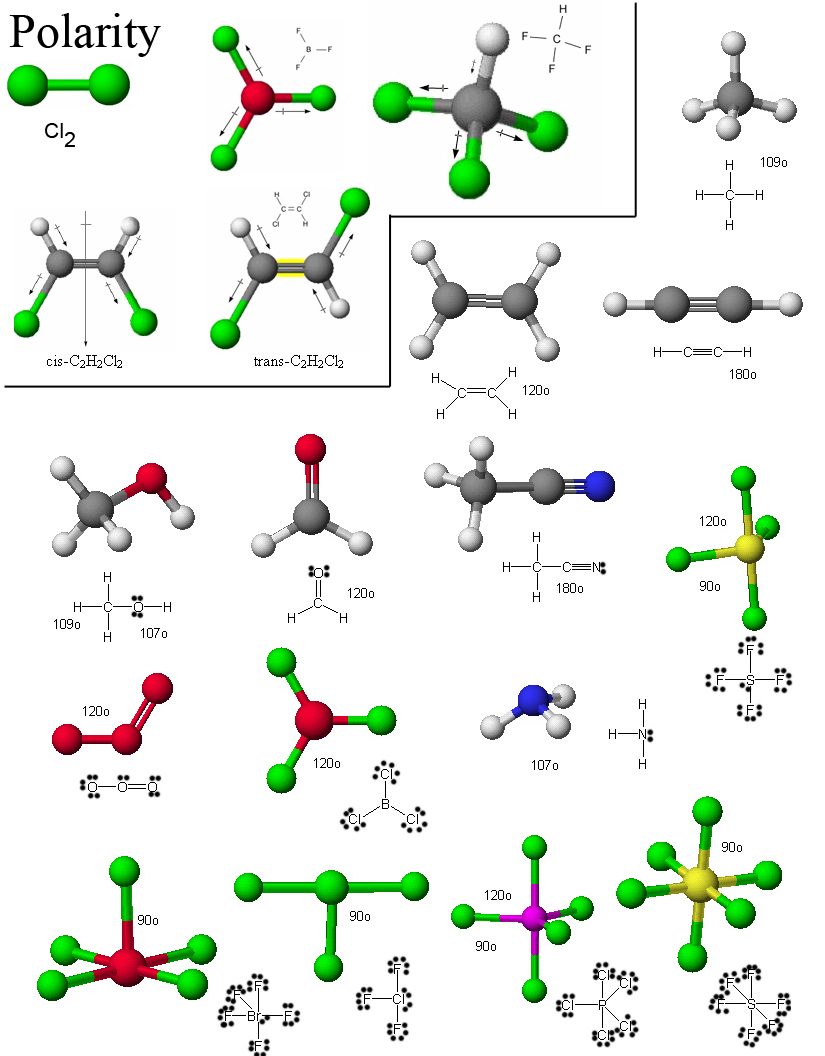
Molecular Structure and Polarity
Organic Molecular Structure Games
Chapter 9
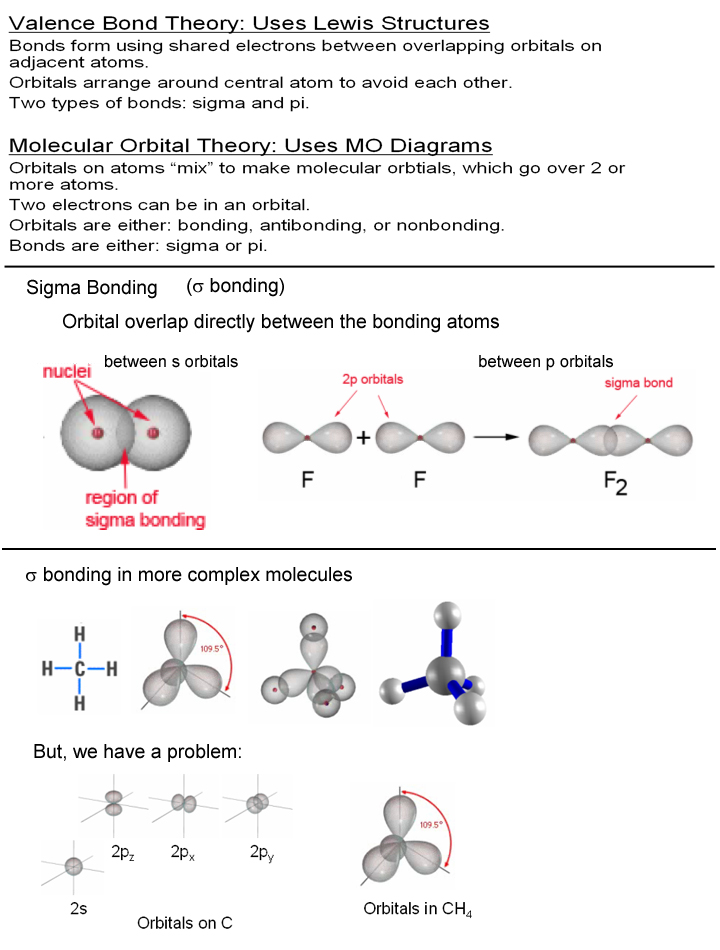
Valence Bond Theory: Handout 1
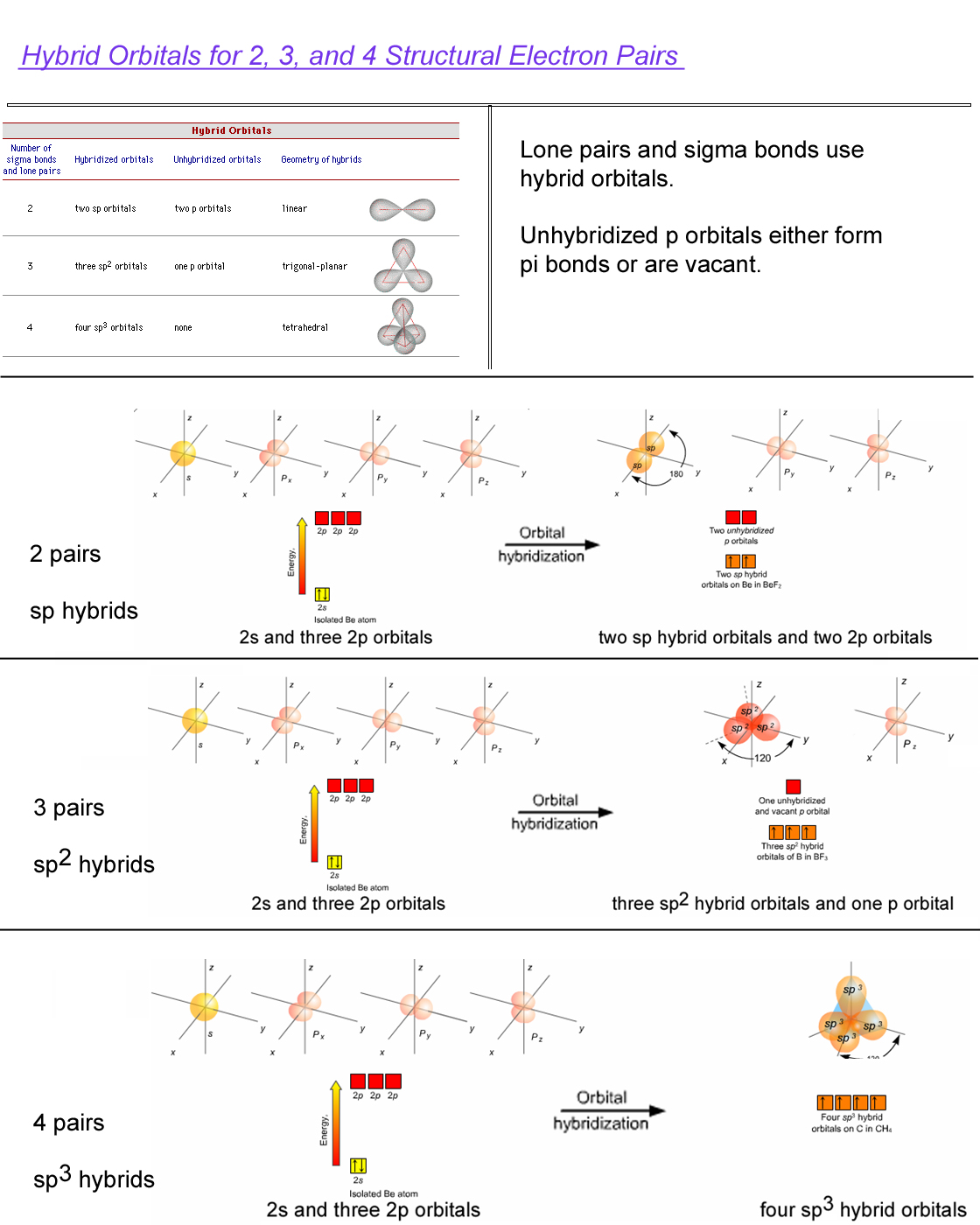
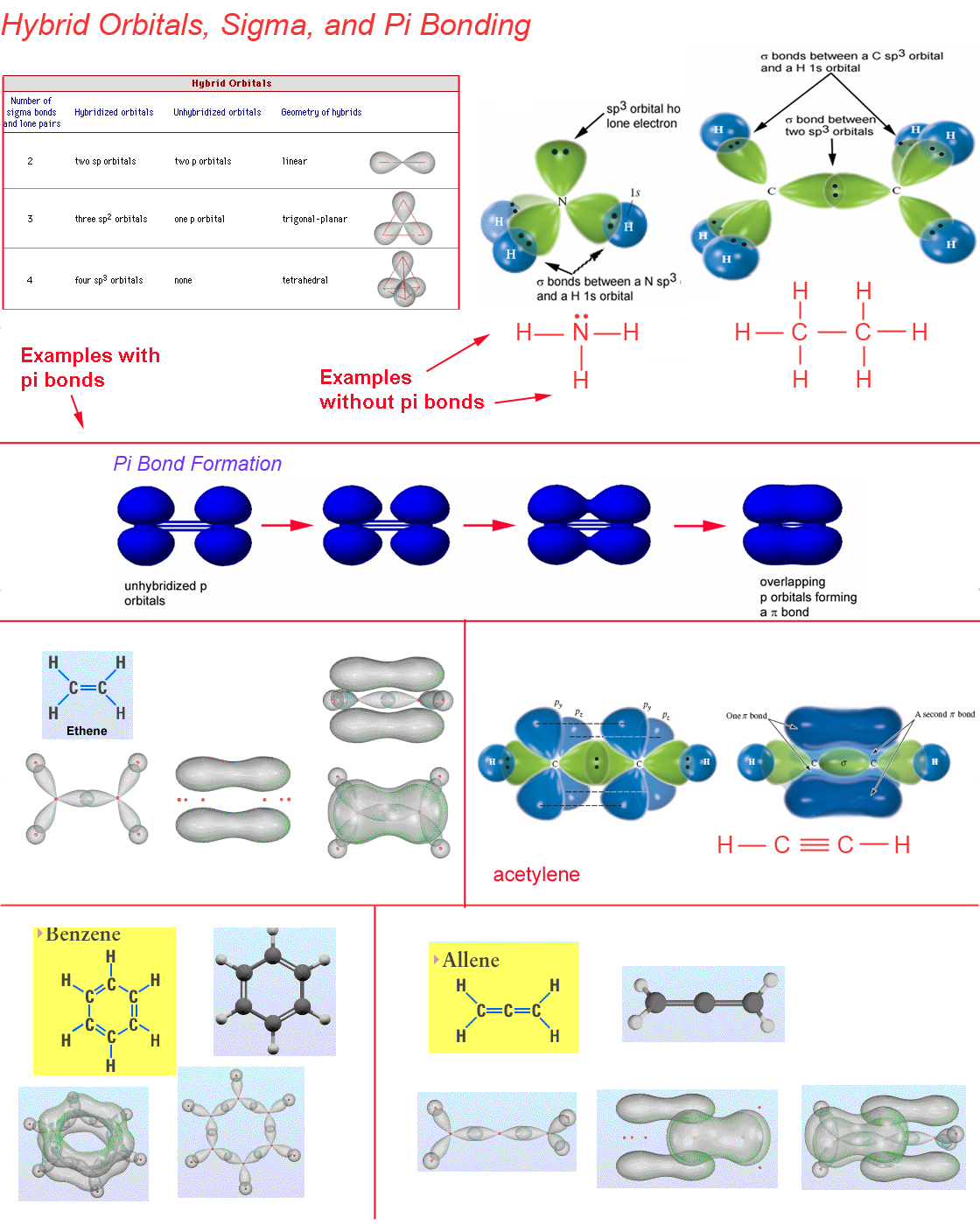
Hybrid Orbitals and Pi Bonding
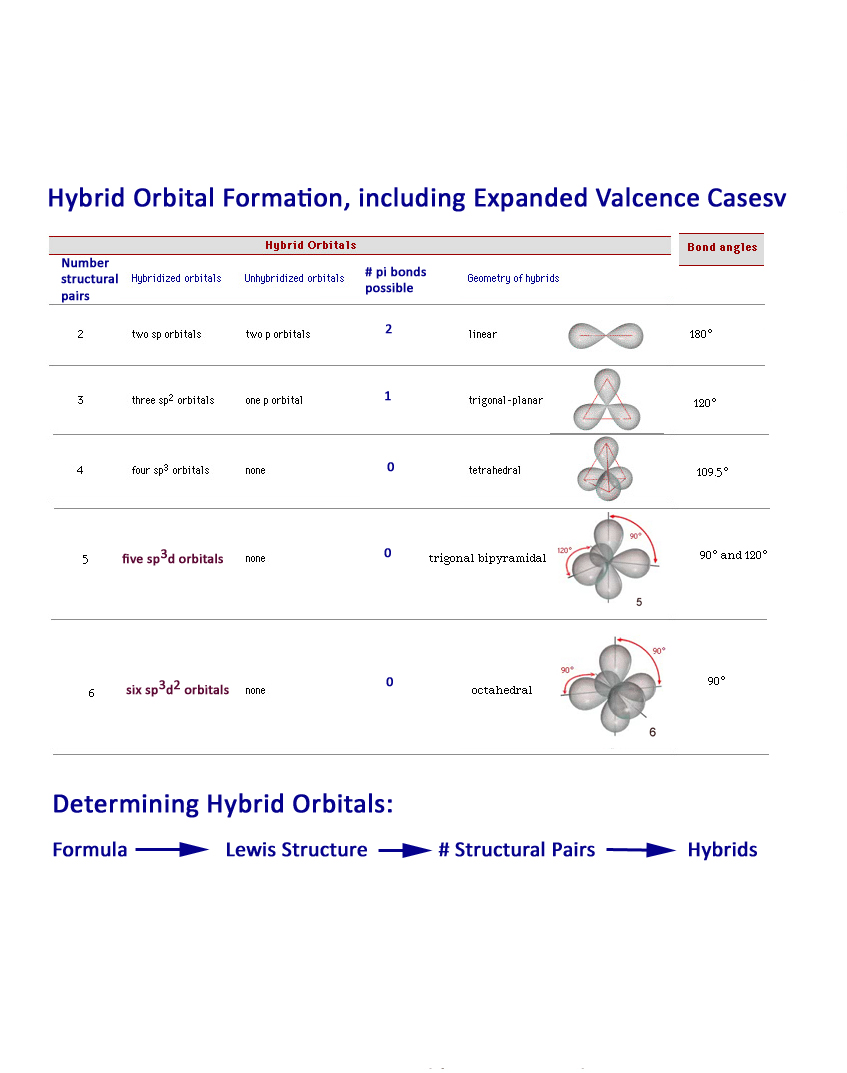
Hybrid Orbitals:
Expanded Valence
Another
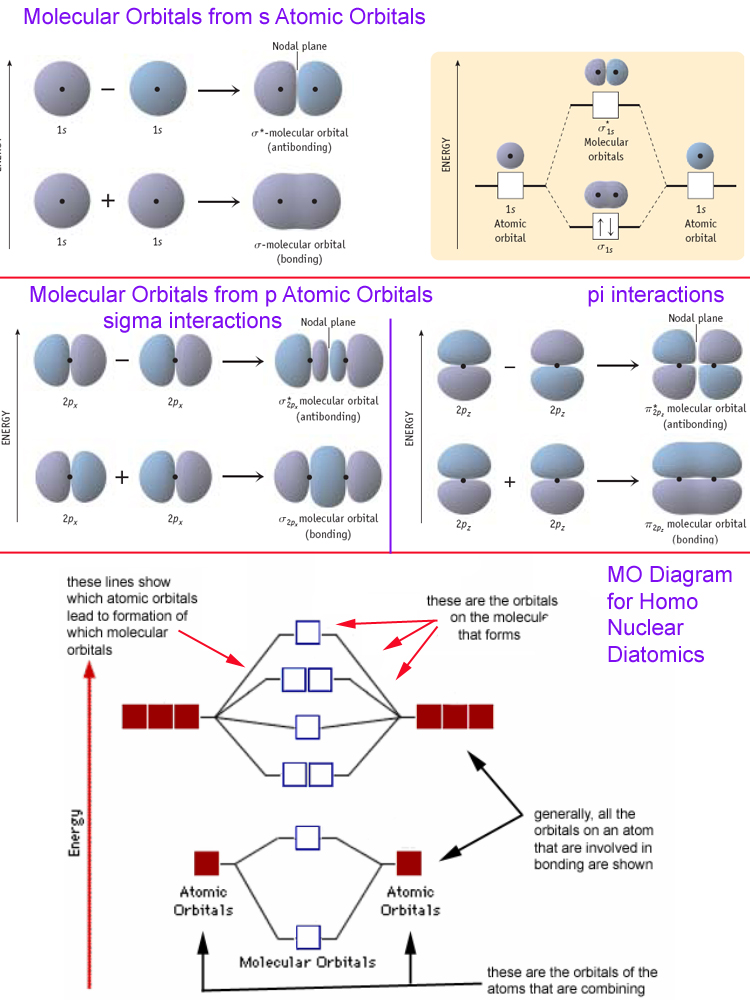
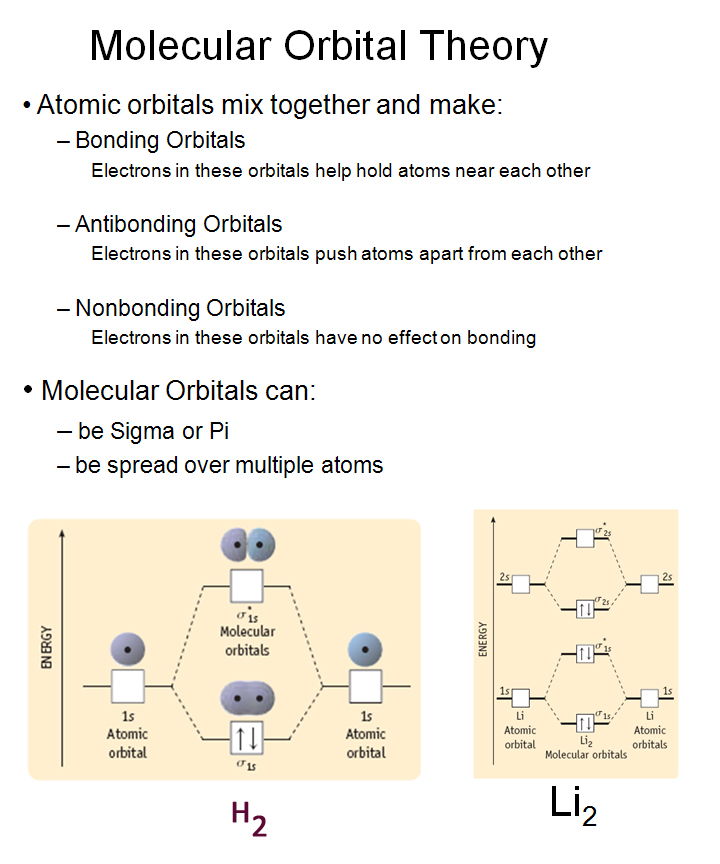
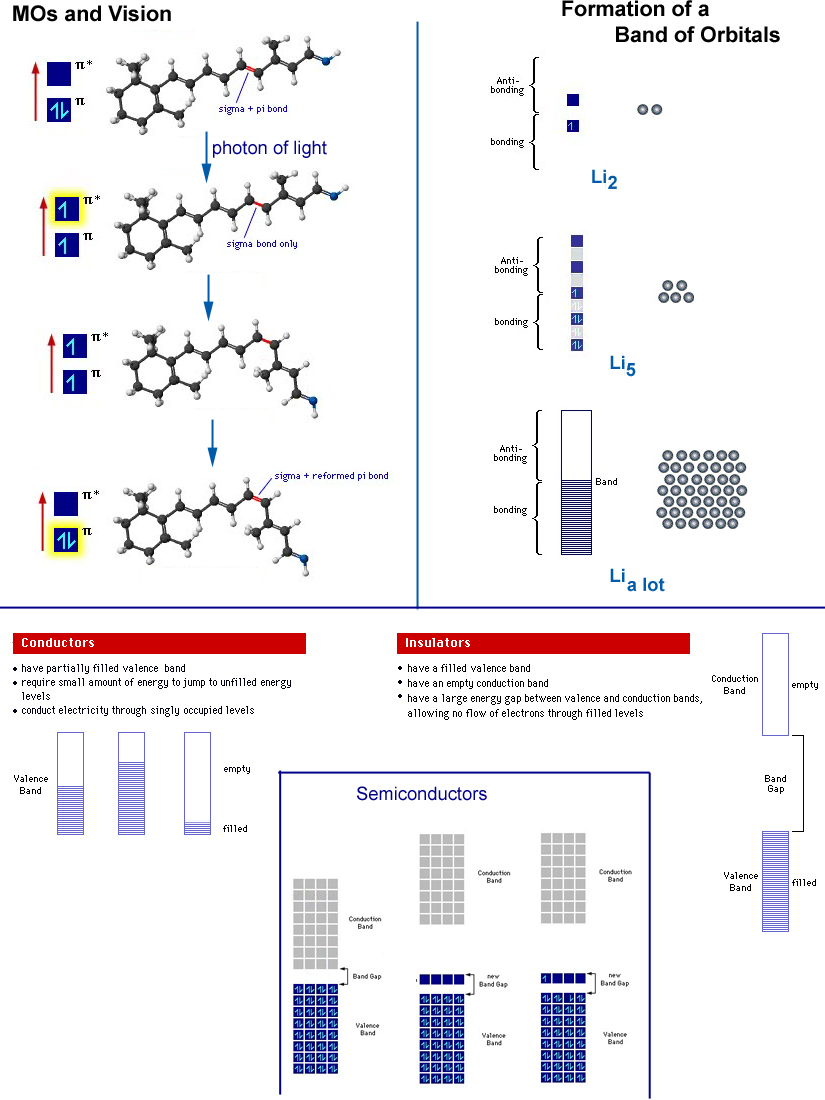
Molecular Orbitals Handout
Chapter 10
Spectroscopy Materials
Exam Answer Keys:
OLD Exams
The prerequisite for General Chemistry I is high school chemistry. It is assumed that you know high school algebra.
(Handed Out in Class)
The basis for course grades is determined by examinations, graded homework, and laboratory. Points for each are:
Three hour exams (100 points each): 300 points
Comprehensive final exam: 150 points
Homework 100 points
Total Points: 650 points
Letter grade ranges on a percentage basis are:
A 90.0 100% C- 67.0 69.9%
A- 87.0 89.9% D+ 64.0 66.9%
B+ 84.0 86.9% D 60.0 63.9%
B 80.0 83.9% D- 57.0 59.9%
B- 77.0 79.9% E Below 57%
C+ 74.0 76.9%
C 70.0 73.9%
In order to pass the course you must independently pass the
laboratory section of the course. Failing
the lab means failing the entire course.
Examinations will be held on TBA1, TBA2, TBA3.
Students will be allowed to bring to the exam one sheet of prepared notes.
If you miss an examination because of circumstances beyond your control, please inform the instructor immediately. A make-up examination will be scheduled for as soon as possible.
Gateway Quizzes: There is a small set of information that simply must be memorized in order to be conversant in chemistry:
This information can be found at: http://employees.oneonta.edu/viningwj/Chem111/Types%20of%20formulas.png
These two quizzes will be given within the first two weeks of class.
OWL HOMEWORK
Homework will use the OWL system served by the
NOTE: Logins will not be set up until after classes begin. Do not attempt to login before that.
The login address is: http://owl.oit.umass.edu
Choose General Chemistry/UMass Amherst
Your login is SUCO + your email address before the @ sign. So, mine is SUCOviningwj.
Your password is your last name.
Assignments will be made weekly and will be due at midnight on Sunday.
LABORATORY
The laboratory work is an integral and essential part of this course and will represent a significant factor in your final grade (see above).
You will be expected to attend every scheduled meeting of your laboratory section.
If you are forced to miss one of the labs due to circumstances beyond your
control, the instructor will attempt to arrange for you to attend some other
laboratory section during the same week. If it is impossible to reschedule the
experiment you should discuss methods of making up the work with your
instructor.
Students will not be permitted to work in any laboratory section other than that for which they are scheduled. Students must not work in the laboratory without direct faculty supervision.
Unless you are informed otherwise, laboratory reports will be due the first
lecture meeting after the completion of the experiment.
In order to protect your vision you will be required to wear safety glasses
while you are in the laboratory. If you violate this rule you become a hazard
to yourself as well as those around you. Therefore, you may be asked to leave
the laboratory if you do not wear safety glasses.
Laboratory reports are to represent your
own original work. You will sometimes work with other students to collect
data, but your written report, including calculations, must be your own work.
Week Chapter Subject
Aug 27 1 Matter and Atoms
Sept. 1 2 Atoms and the Periodic Table
Sept. 8 2 Compounds and Molecules
Sept. 15 3 Stoichiometry
Sept. 22 3 Stoichiometry
Sept. 29 4 Chemical Reactions
Oct. 6 4 Chemical Reactions
Oct. 13 6 Atomic Electronic Structure I
Oct. 20 6 Atomic Electronic Structure II
Oct. 27 7 Bonding and Molecular Structure
Nov. 3 7 Bonding and Molecular Structure
Nov. 10 8
Nov. 19 8 Molecular Orbital Theory
Nov. 24 8 Break Week
Dec. 1 9 Thermochemistry
Dec. 8 9 Thermochemistry
Week Experiment
Aug 27 No labs this week
Sept.
1 Experiment
on Growing
Sept. 8 Synthesis of Alum from an Aluminum Can
Sept. 15 Determination of the Percent Composition of a Mixture
Sept. 22 Determination of an Unknown Acid
Sept. 29 Spectrophotometric Determination of Copper
Oct. 6 Break Week: no Labs
Oct. 13 Analysis of Silver Group Cations
Oct. 20 Analysis
of Anions
Oct. 27 Synthesis and Analysis of a Copper Complex
Nov. 3 Synthesis and Analysis of a Copper Complex (continued)
Nov. 10 Synthesis and Analysis of a Copper Complex (continued)
Nov. 17 Periodic Properties of the Elements
Nov. 24 Break Week: no Labs
Dec. 1 Thermochemistry
Dec. 8 Clean up and Check Out