CHEMISTRY 112                                                       WILLIAM VINING

SECTIONS 4-6                                                           232 PHYSICAL SCIENCES BLDG.

Spring 2008                                                                 ViningWJ@oneonta.edu

Office Hours: M 3-4, T 12-1, F 11-12                         Phone 436-2698


Links to Materials

Simulations

Laboratory Technique Videos


OWL Login Page


  Textbook Chapter Downloads

General Chemistry I Chapters for Reference

Text Chapter 1

Text Chapter 2

Text Chapter 3

Text Chapter 4

     Chapter 4 Organic Reactions Supplement

Text Chapter 5 Replacement

Text Chapter 6

Text Chapter 7


Text Chapters for this Course:

Text Chapter 8: Bonding and Molecular Structure

Text Chapter 9: Advanced Chemical Bonding

Text Chapter 10: Gases

Kinetics

Thermodynamics

            Equilibrium

            Acid-Base Chemistry I

            Acid-Base Chemistry II

            Precipitation and Complexation Chemistry


   Exam Things

            Practice Exam #1-2008

            Practice Exam #1-2008 Answer Key

            Exam #1 Answer Key

                                    Page 1, Page 2, Page 3, Page 4, Page 5, Page 6


            Exam #2 Topics

            Practice Exam #2

            Practice Exam #2 Answers

            Exam, #2 Answer Key

                                    Page 1, Page 2, Page 3, Page 4, Page 5


Practice Exam #3

Practice Exam #3 Answers

            Exam, #2 Answer Key

                                    Page 1, Page 2, Page 3, Page 4


            Sample Electrochemistry Questions


   Lecture PowerPoint Files

            Chapter 8: Molecular Structure

            Chapter 9 Part 1: Valence Bond Theory

Chapter 12: Solutions

            Chapter 13: Kinetics

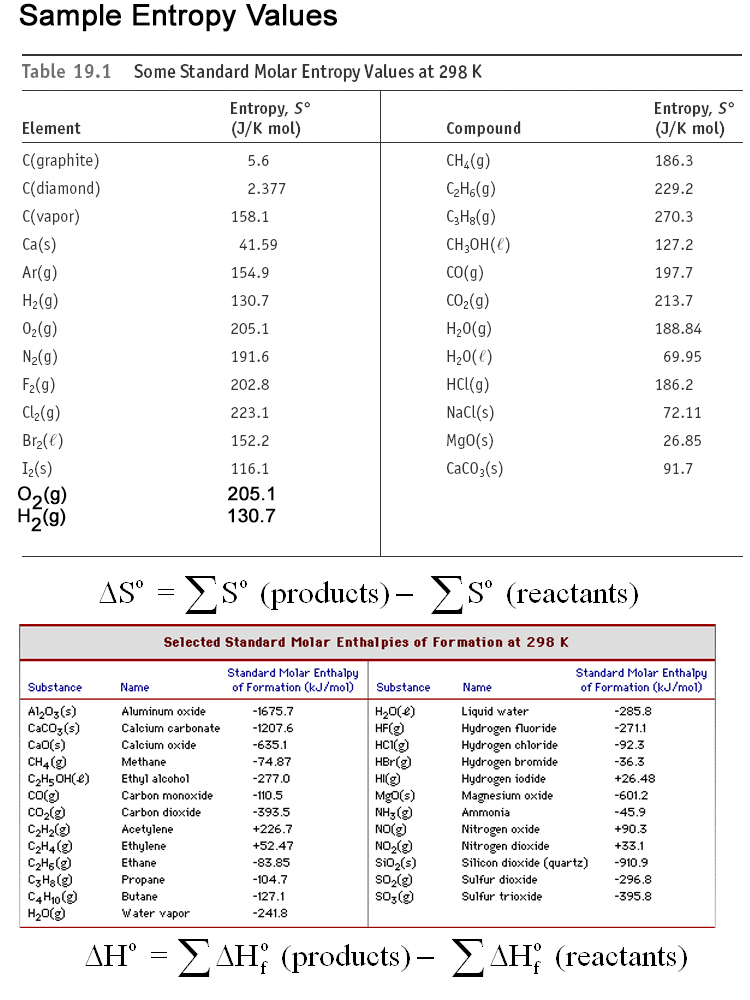
Chapter 19 Entropy


Annotated PowerPoint Files

Chapter 9: Valence Bond Theory

Chapter 9: Molecular Orbital Theory

Chapter 13: Kinetics Part 1

Chapter 13: Kinetics Part 2

Chapter 19: Thermodynamics

Chapter 11: Liquids, Solids, IMFs

Chapter 12: Solutions

Chapter 12: Colligative Properties

Chapter 15: Introduction to Equilibria

Chapter 16: Acid-Base Equilibria

Chapter 17: Buffers

Chapter 18: Solubility and Complexation Equilibria

Chapter 20: Electrochemistry


Other Downloads

         Periodic Table

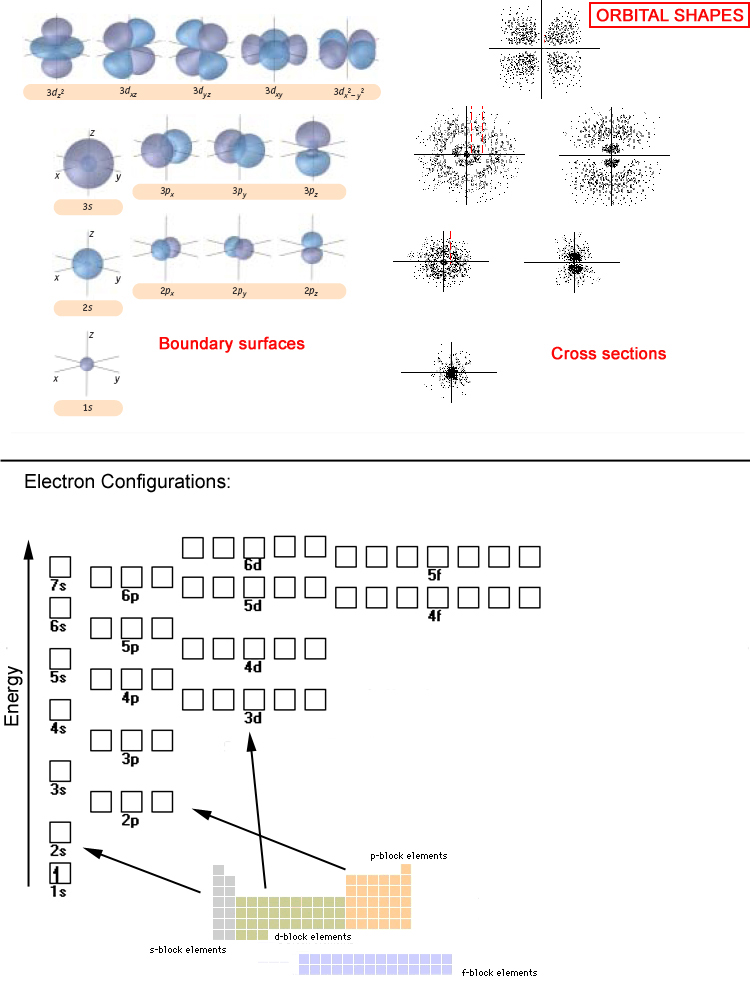
         Review: Orbitals and Electron Configurations

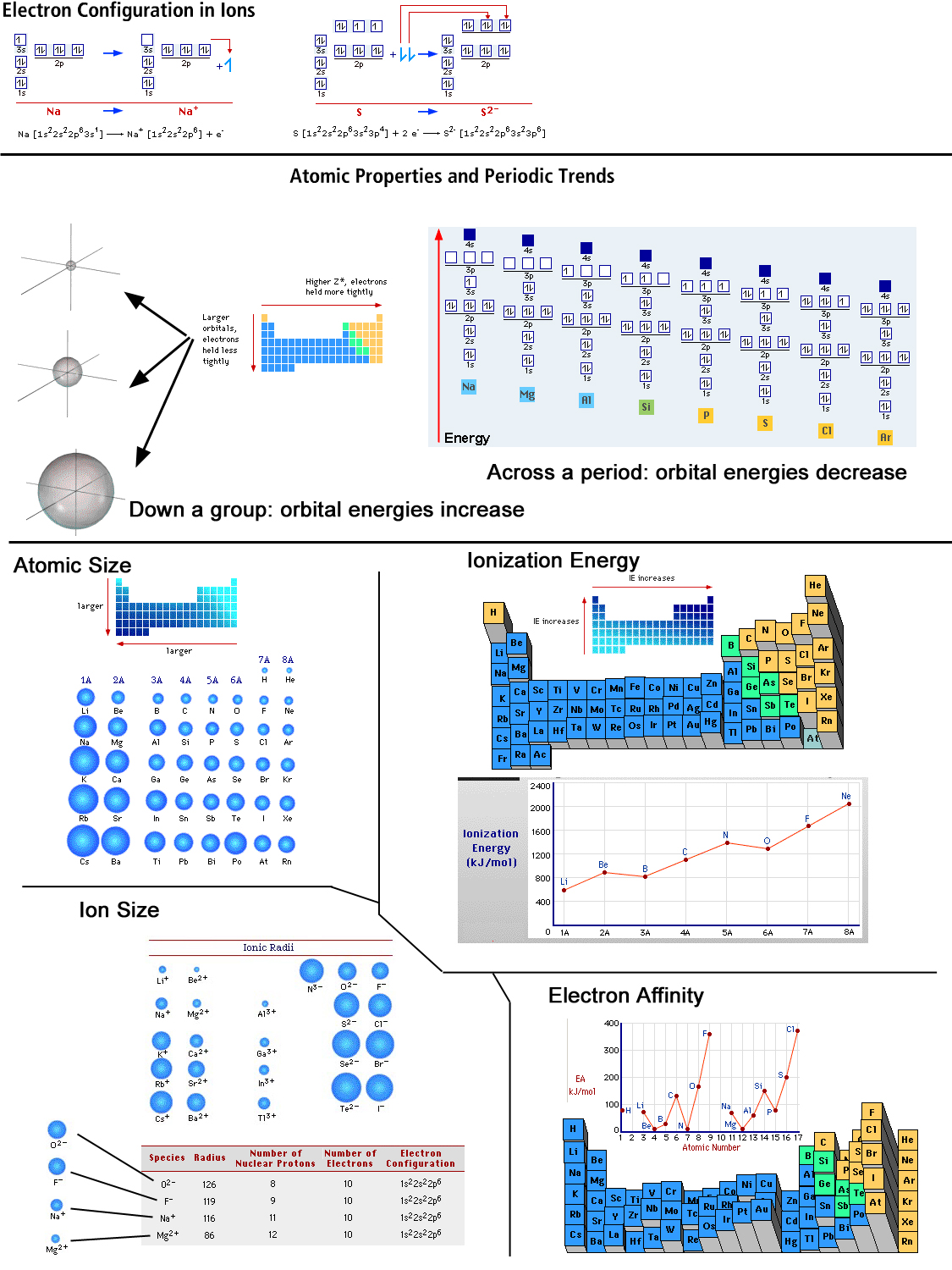
         Review: Periodic Properties of the Elements


         Course Overview


         Chapter 8 Review

         Covalent and Ionic Bonding

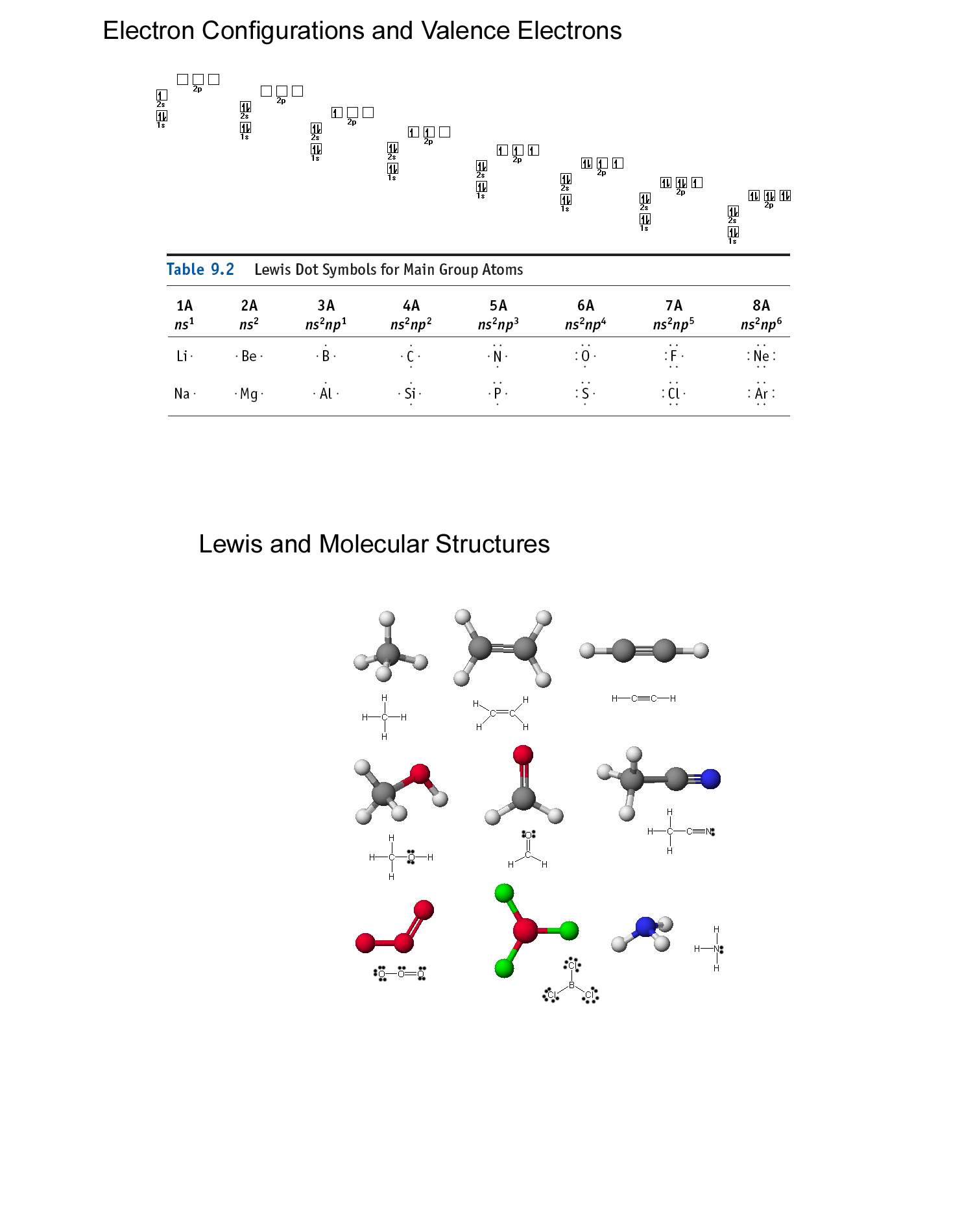
         Valence Electrons and Lewis Structures

         How to Draw Lewis Structures

         Trends in Properties of Bonds

         Resonance, Oxidation Numbers and Formal Charge

         Lewis Structure Examples


         Chapter 8 New Material

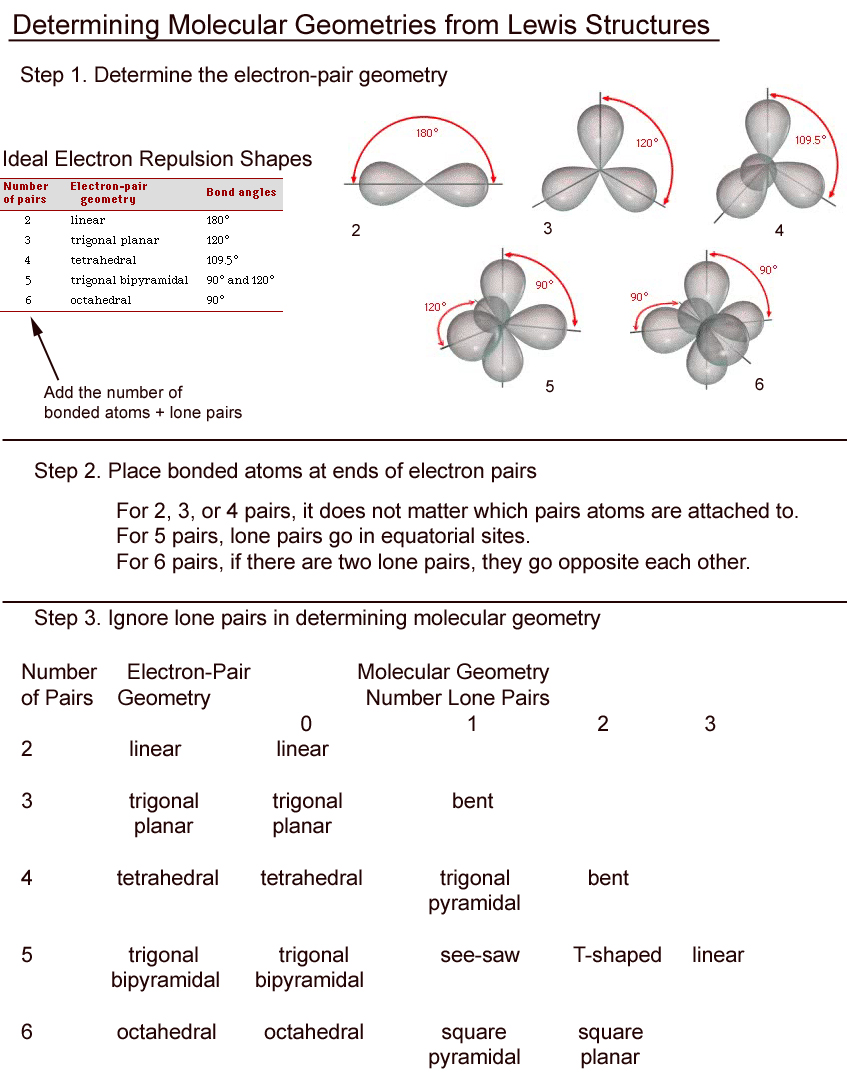
         Valence Electrons and Molecular Structure

         Molecular Structures

         How to Determine Molecular Structure

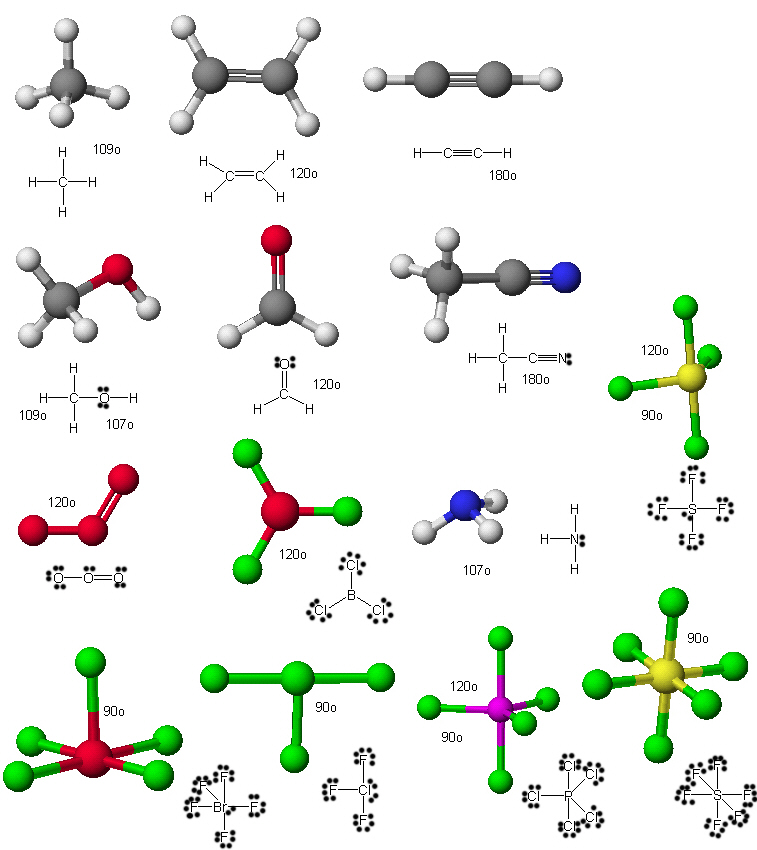
         Table of Molecular Structures

         Model Building Worksheet (for Plastic Models)

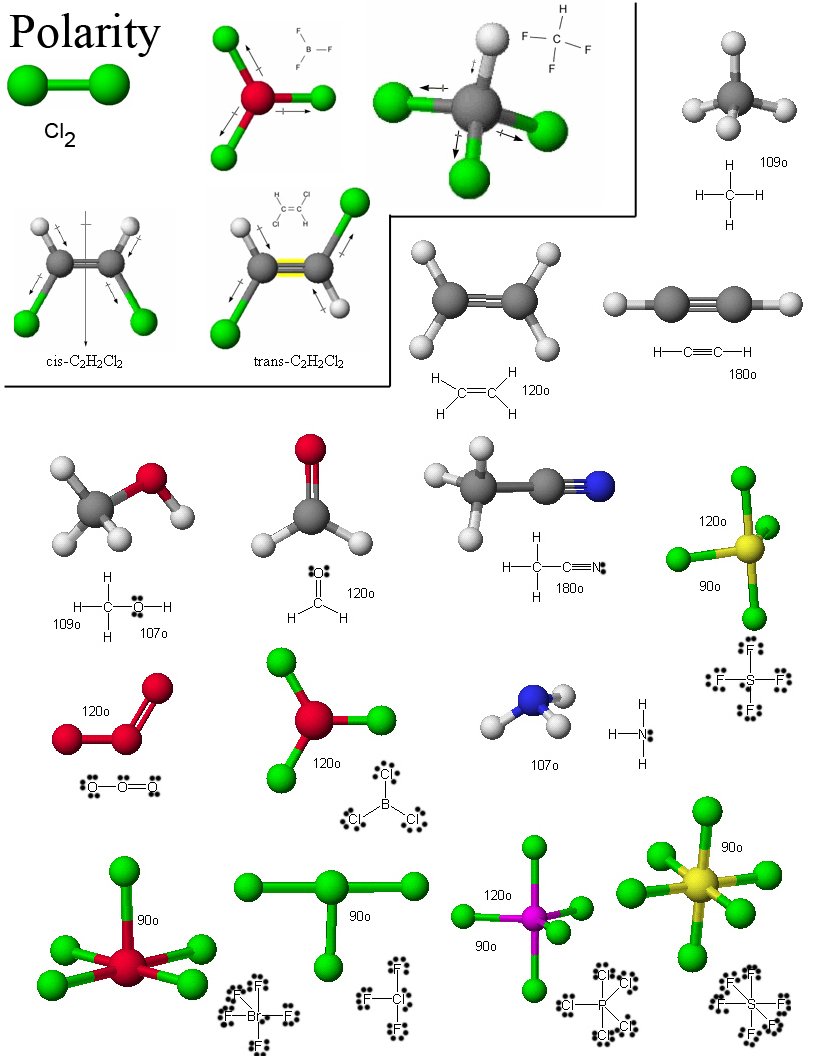
Molecular Structure and Polarity


         Chapter 9

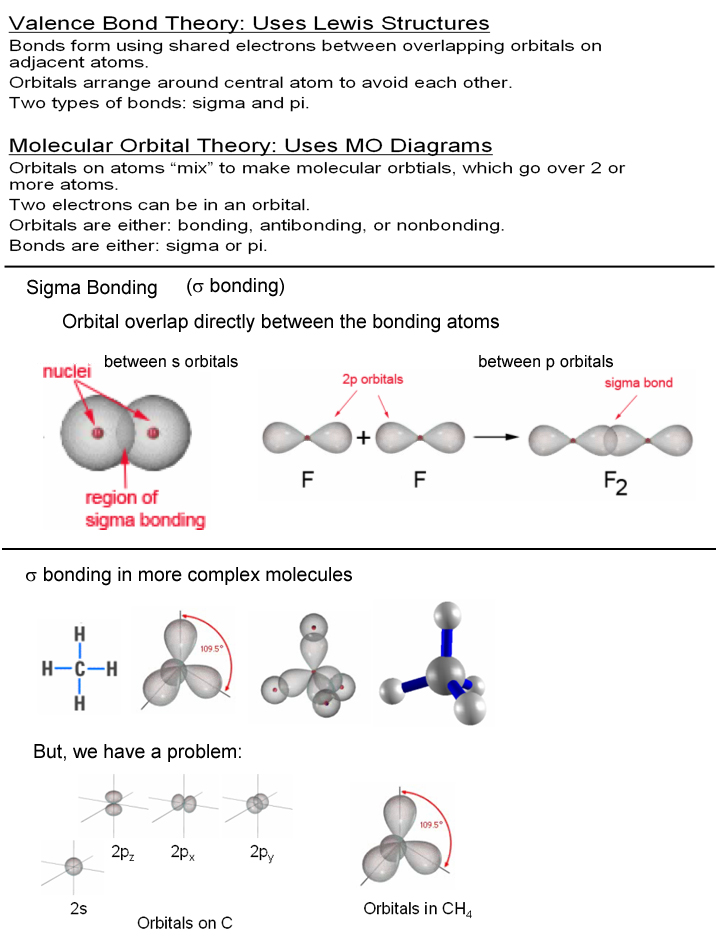
         Valence Bond Theory: Handout 1

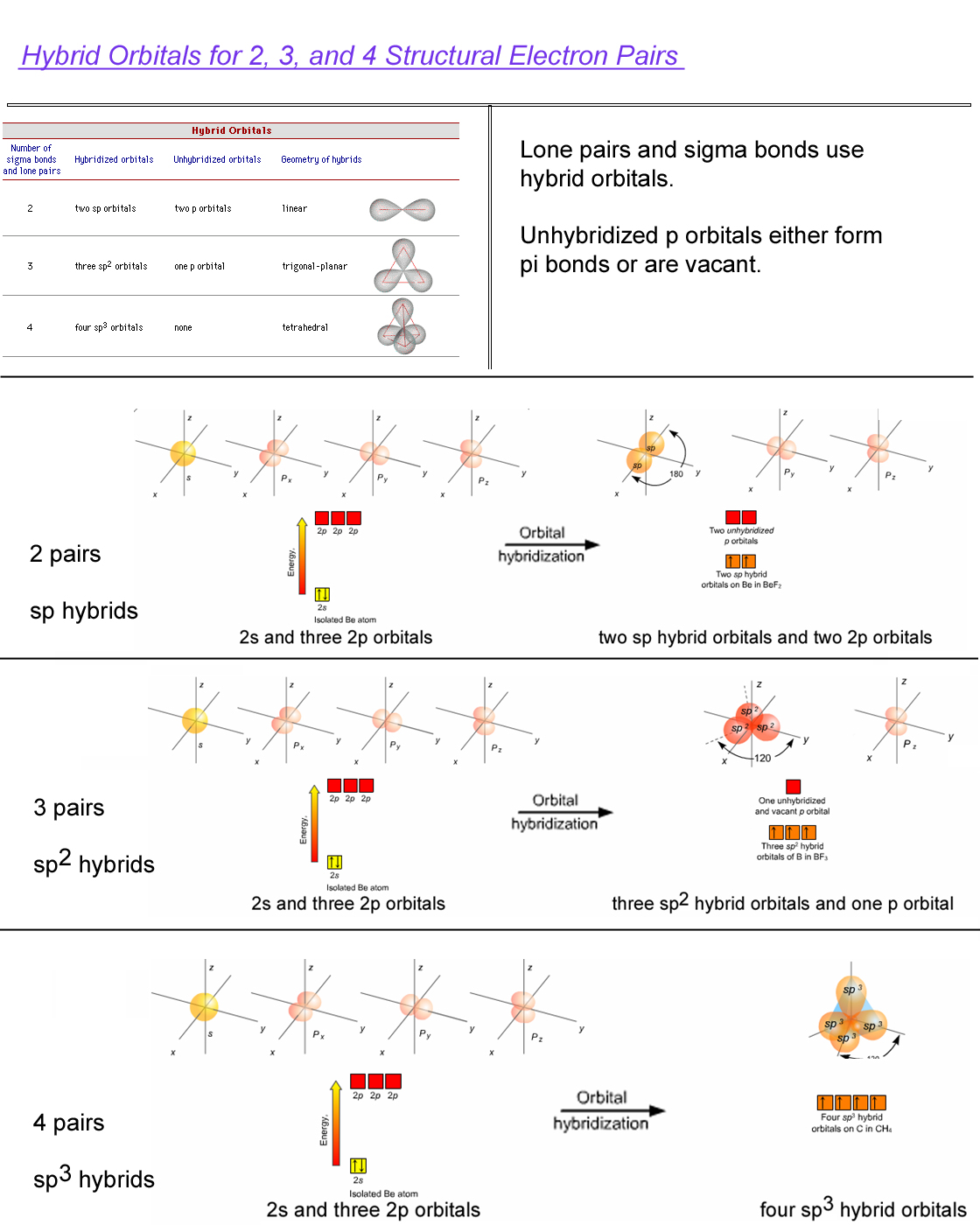
Hybrid Orbitals Handout

Hybrid Orbitals and Pi Bonding

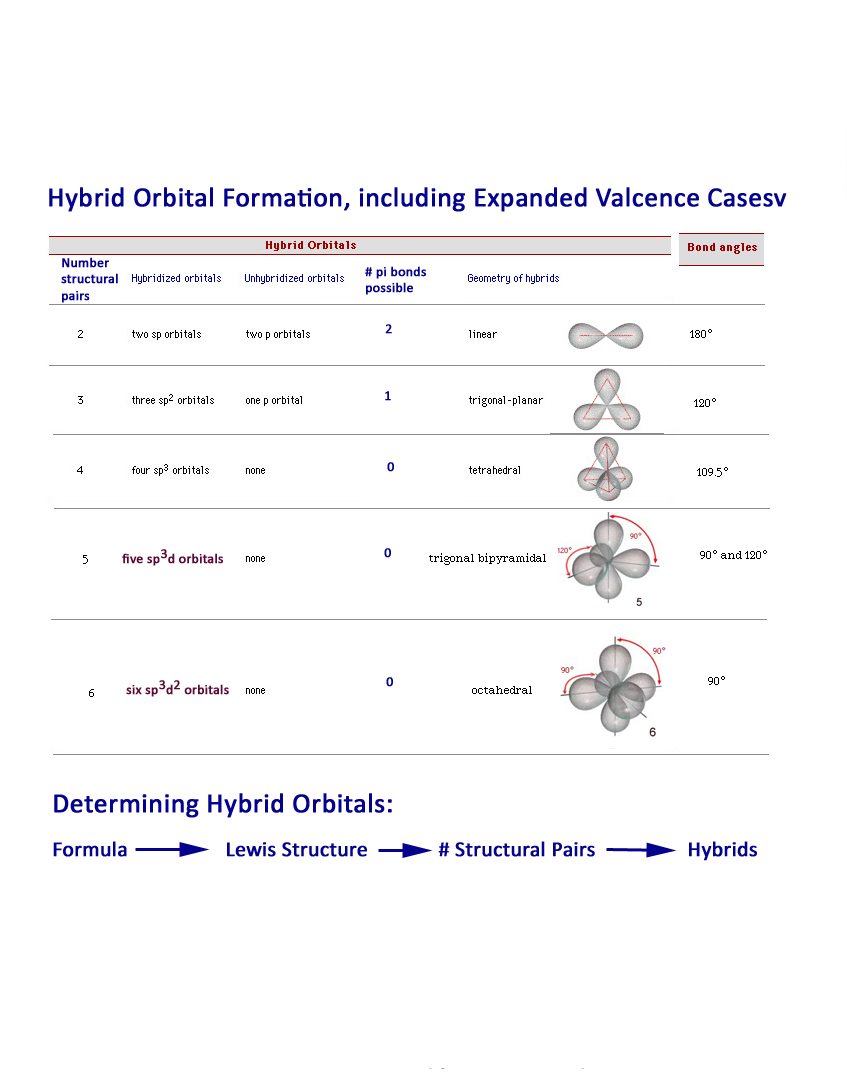
Hybrid Orbitals: Expanded Valence

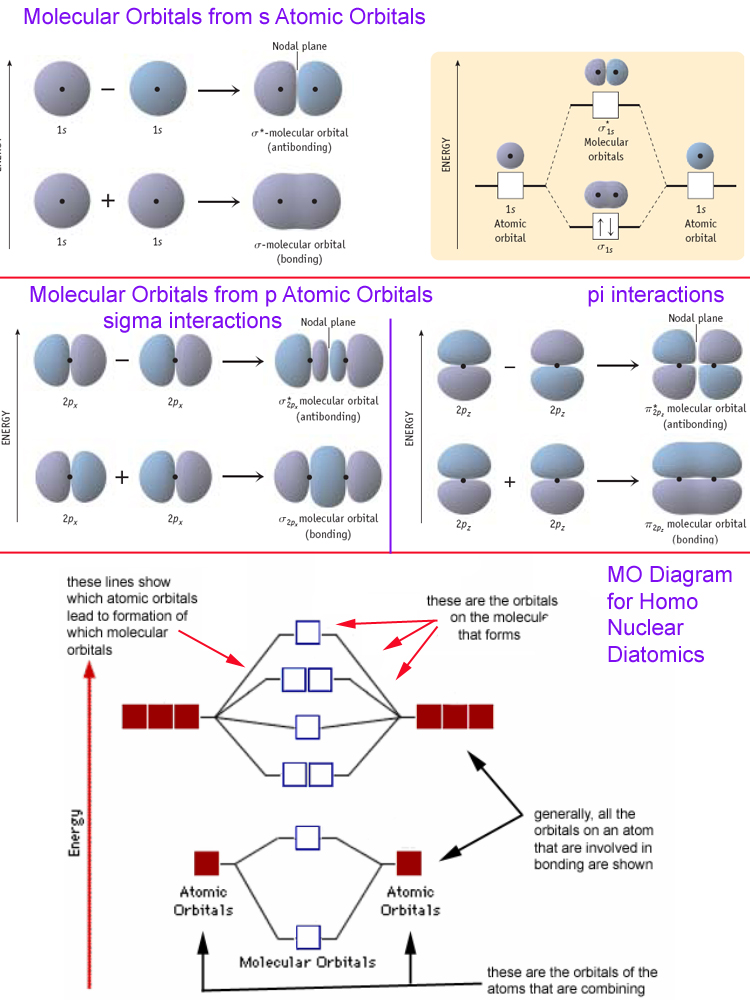
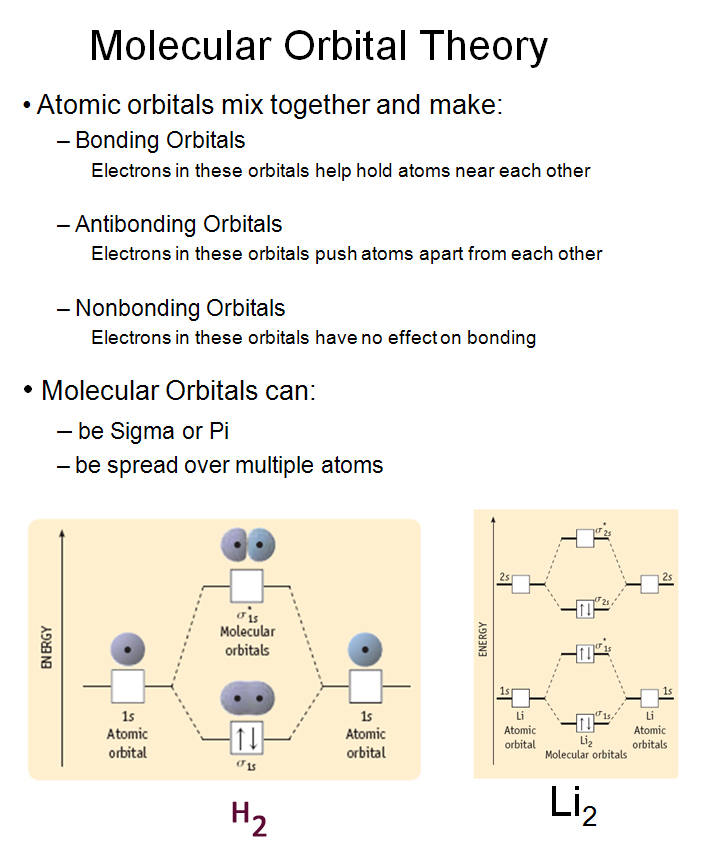
Molecular Orbitals Handout

Another Molecular Orbitals Handout

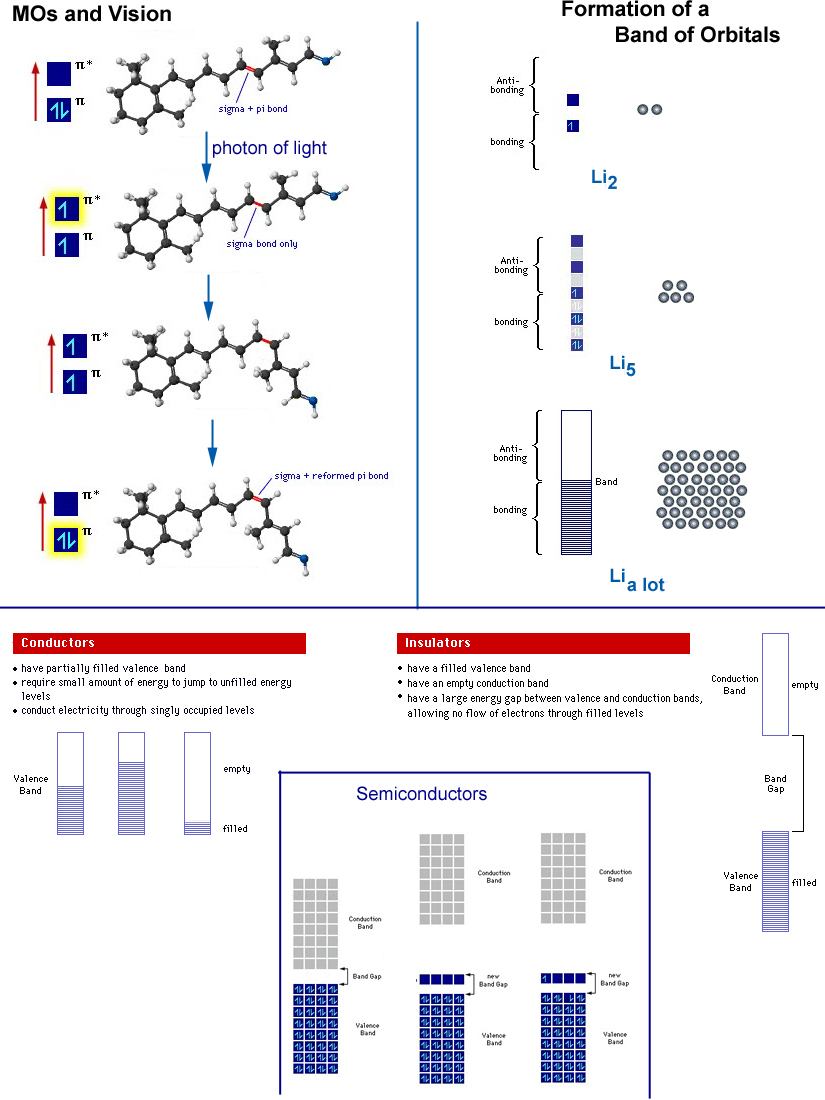
Band Theory Handout


Chapter 10

Gas Laws Handout

Gas Law Examples

Kinetic Molecular Theory Handout


Chapter 11 IMFs, Liquids and Solids

Band Theory and Metallic Bonding

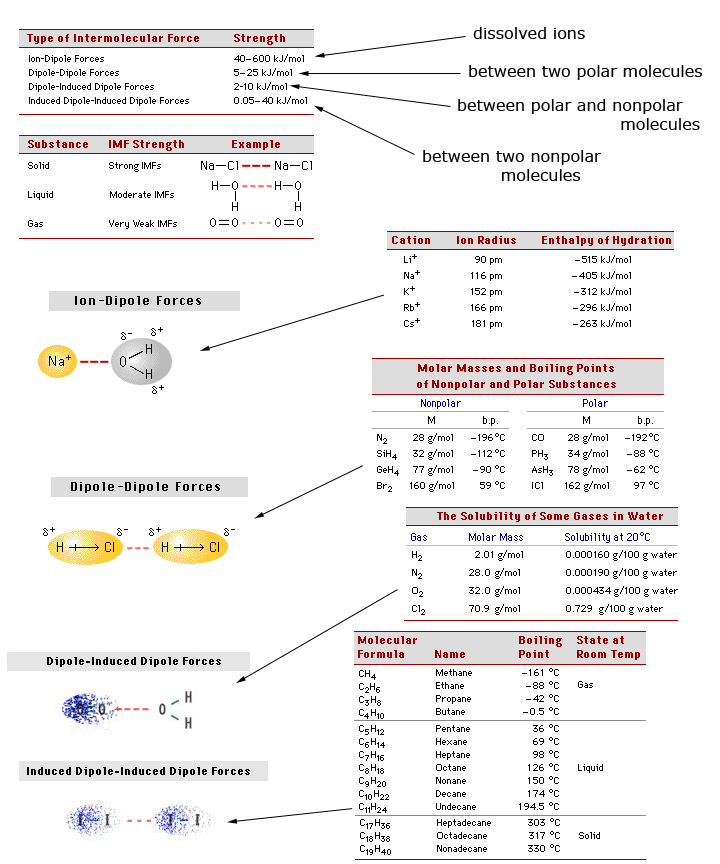
IMFs

Compounds and IMFs

Hydrogen Bonding

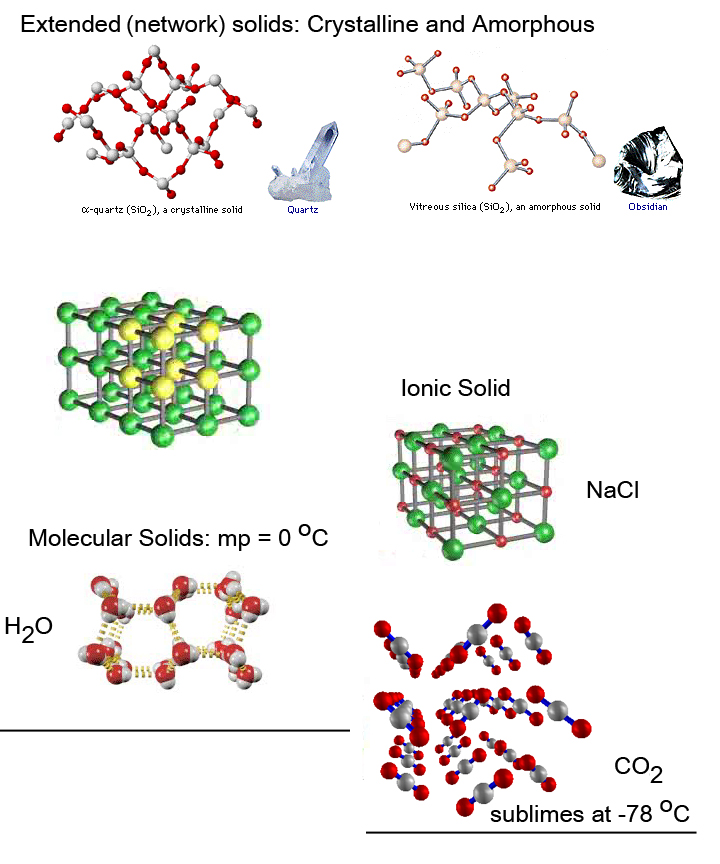
Solids

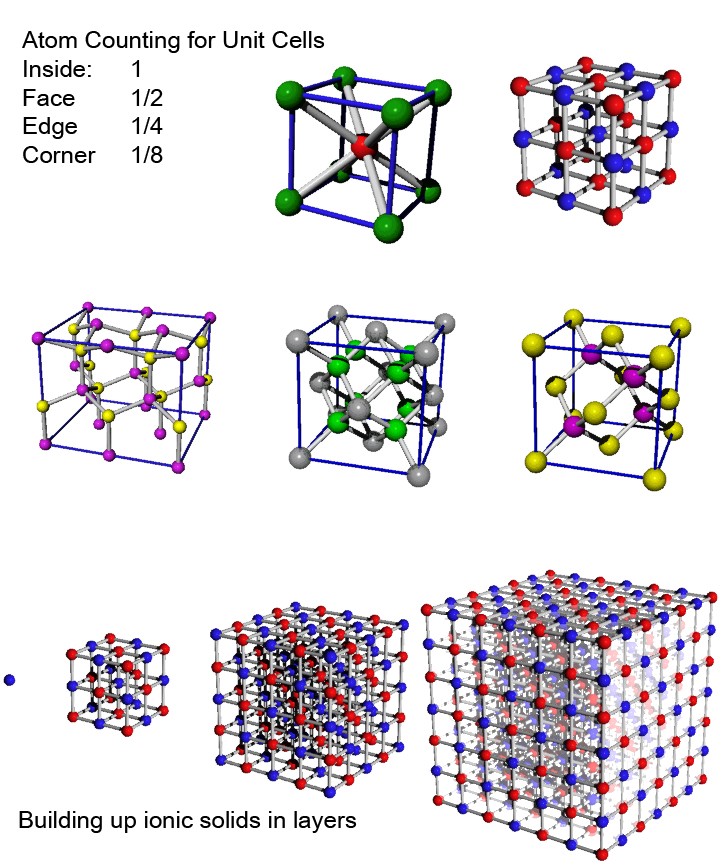
Unit Cell Types

Unit Cells and Compound Formulas


Chapter 12 Solutions

Factors Affecting Solubility

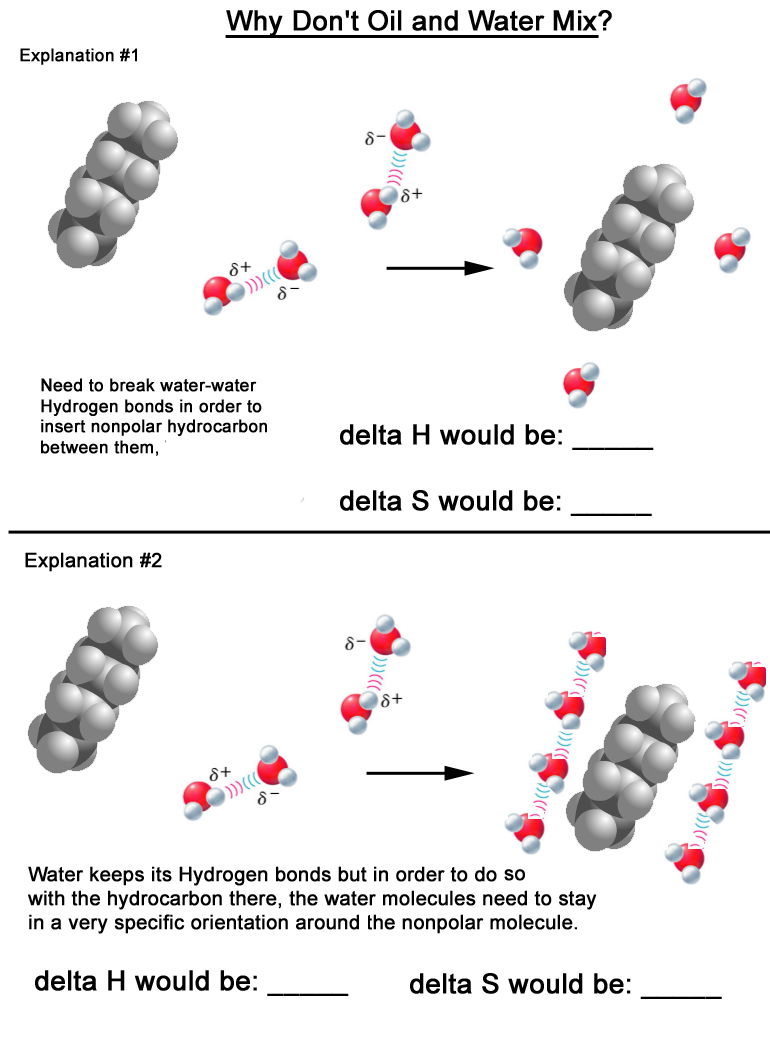
Water and Oil

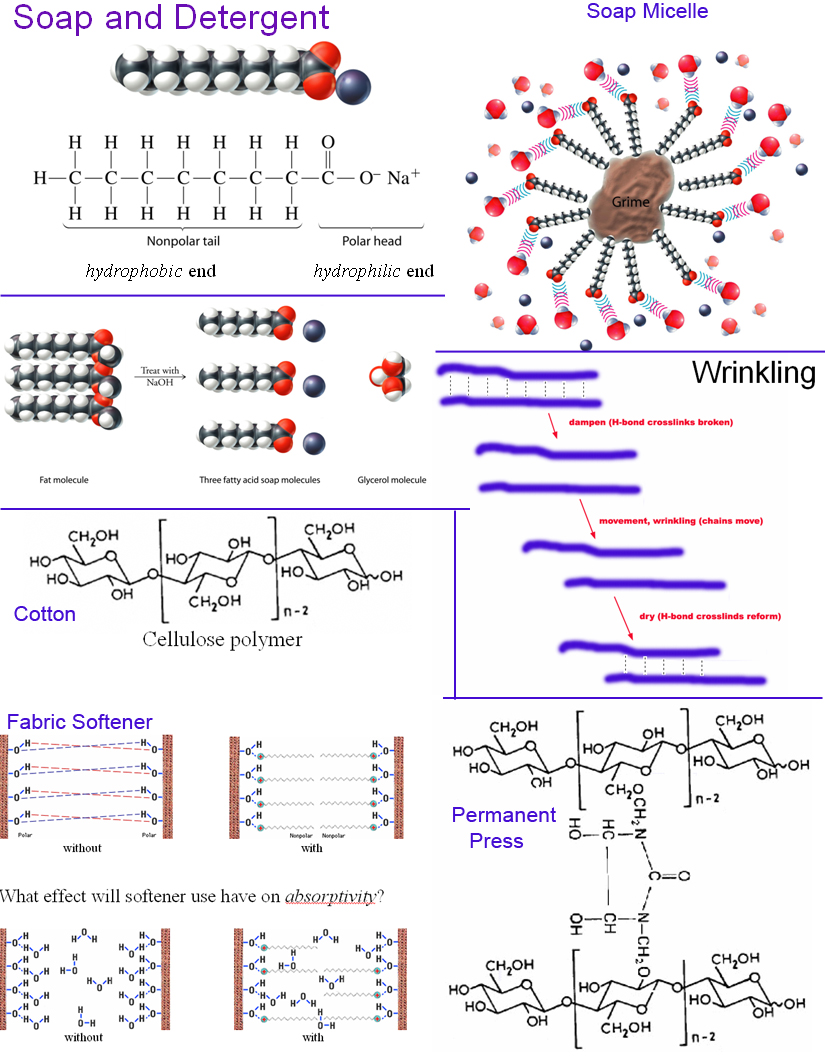
Soap Movie

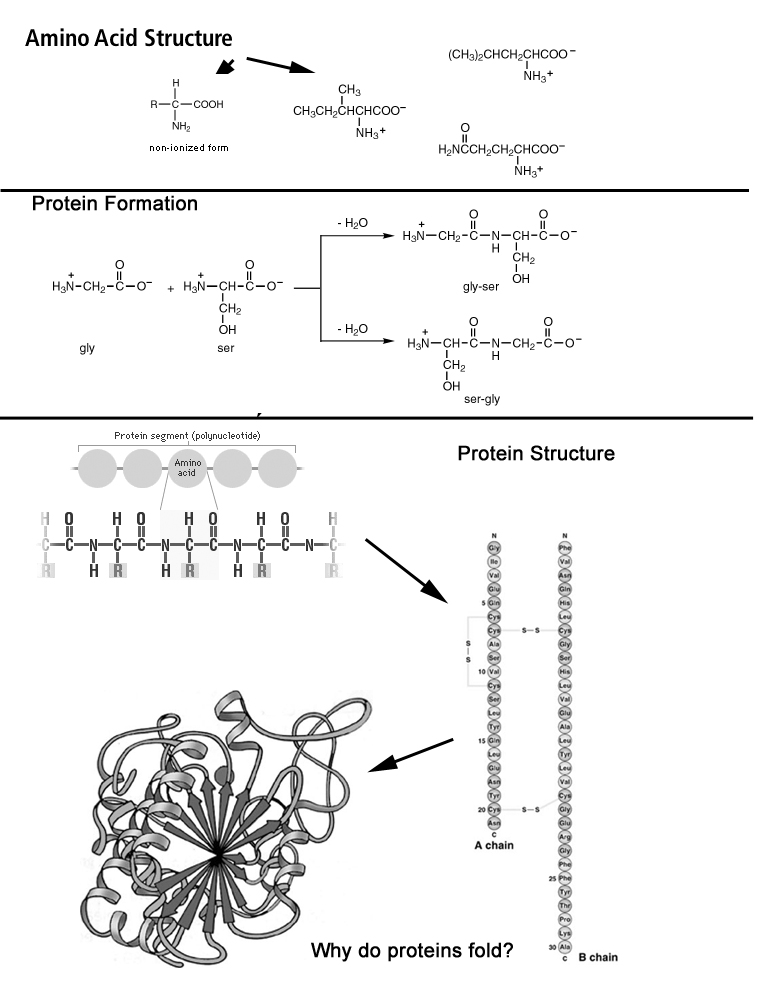
Protein Folding

Laundry


Chapter 14 Kinetics

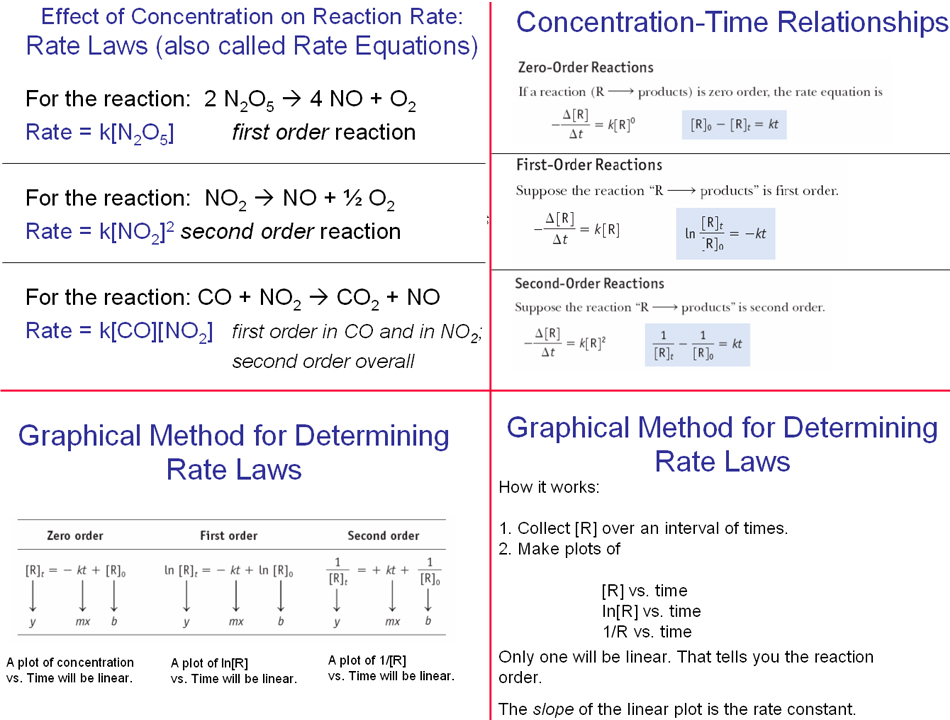
Rate Laws and Concentration-Time Equations

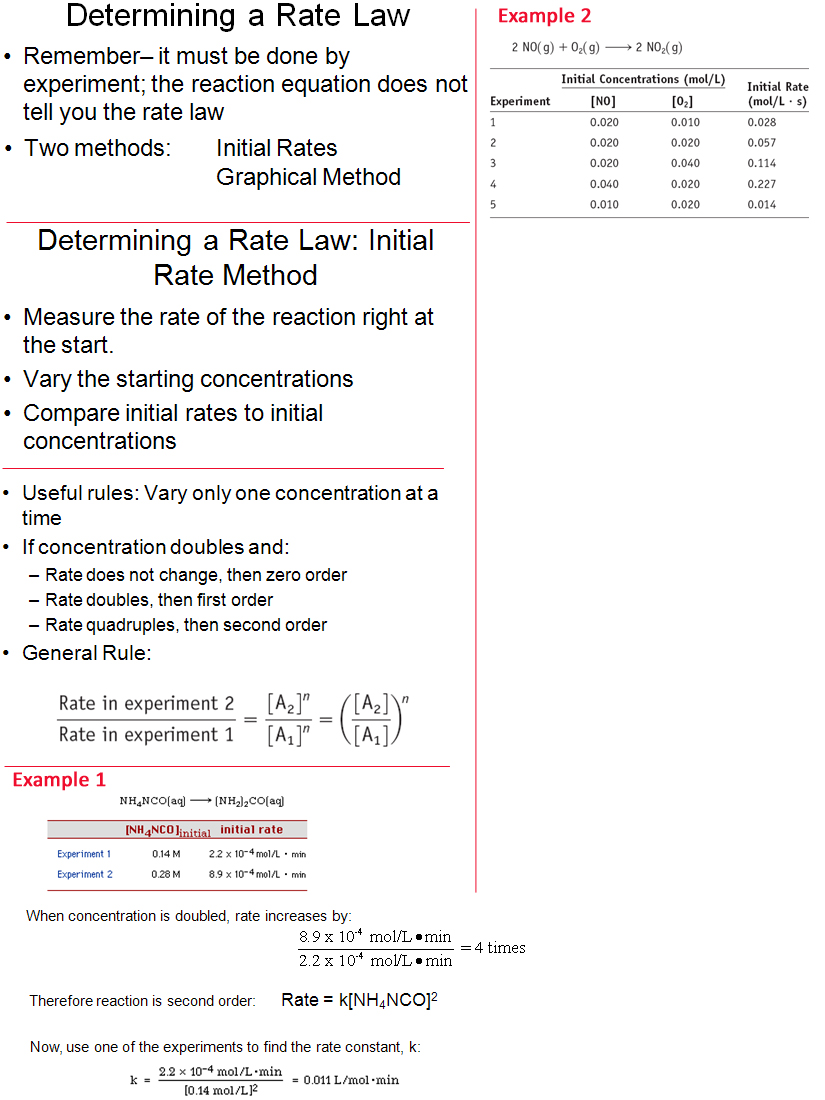
Determining Rate Laws: Initial Rates

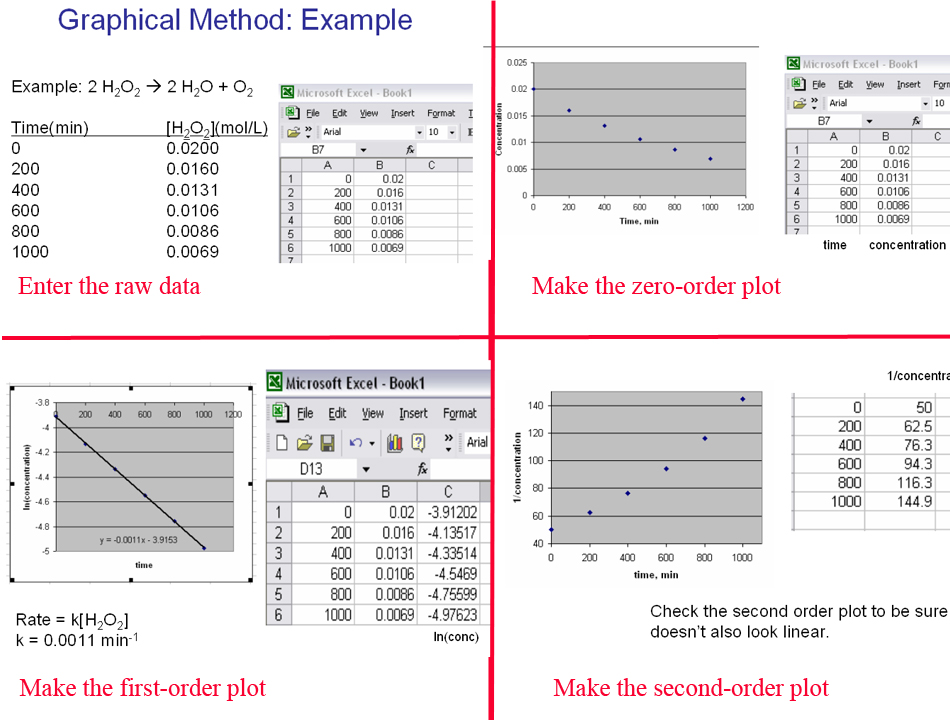
Graphical Method for Finding a Rate Law

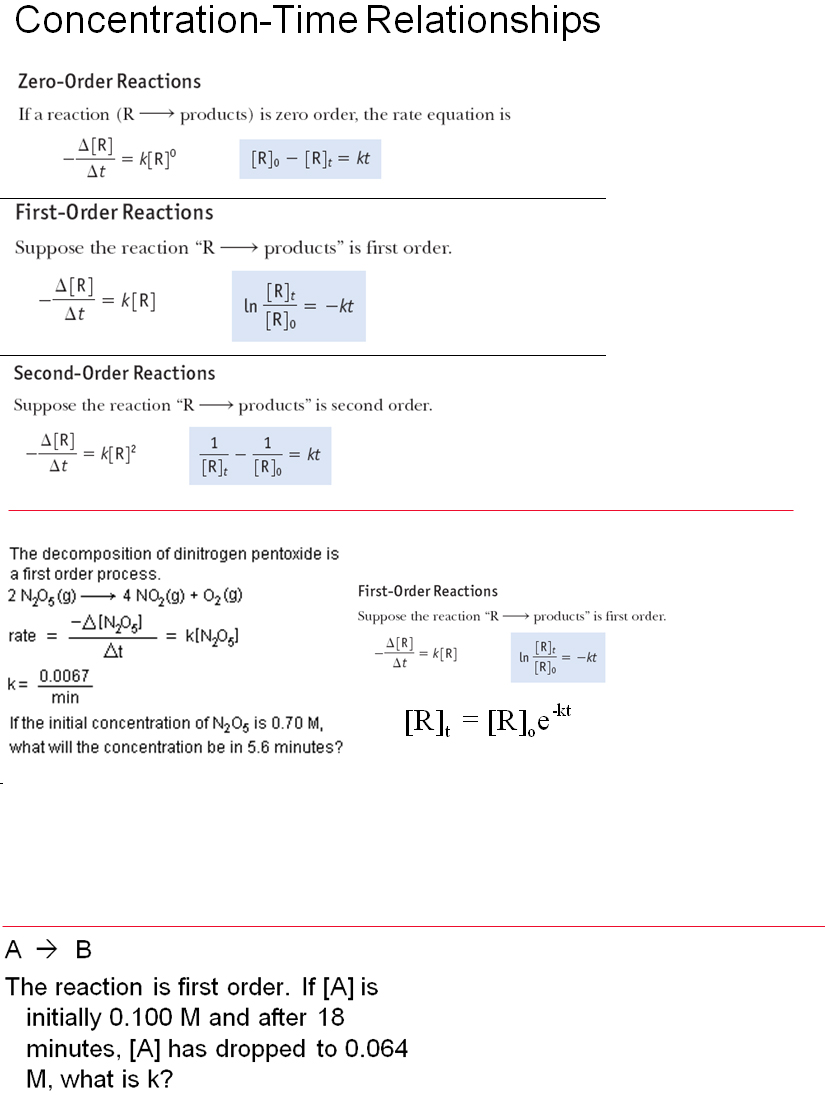
Concentration-Time Relationships

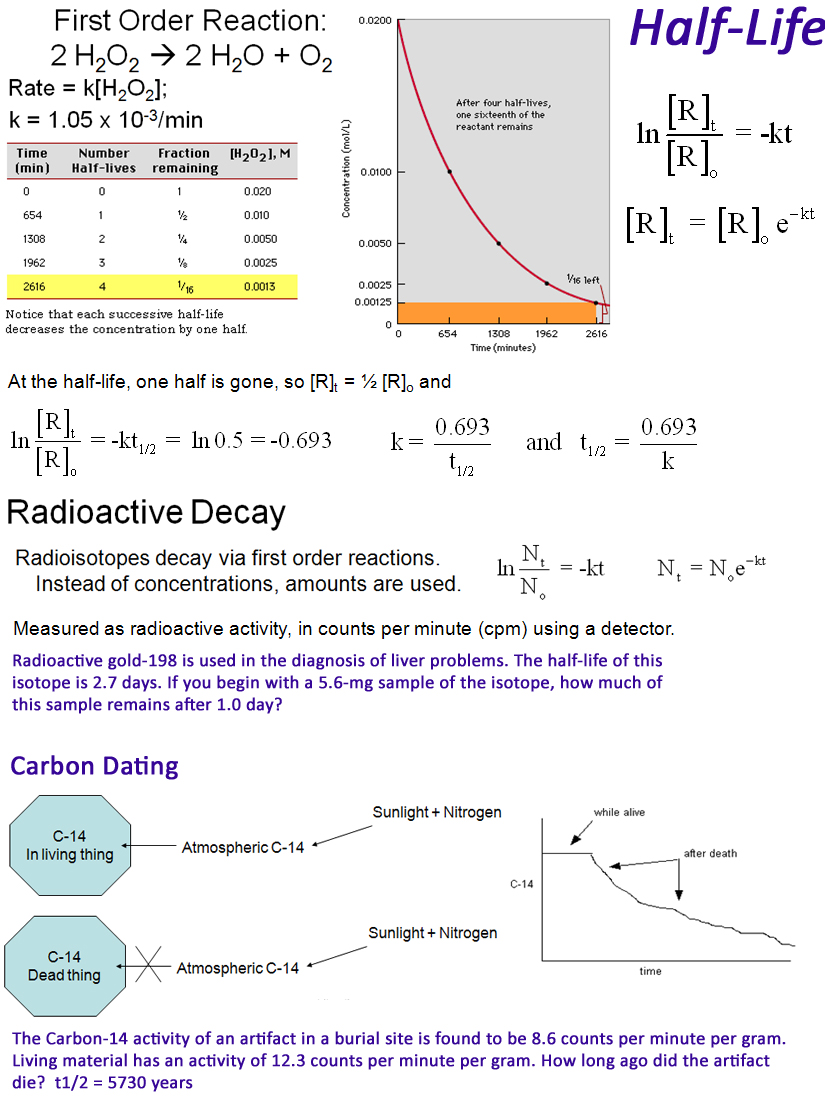
Half-Life

Arrhenius Equation

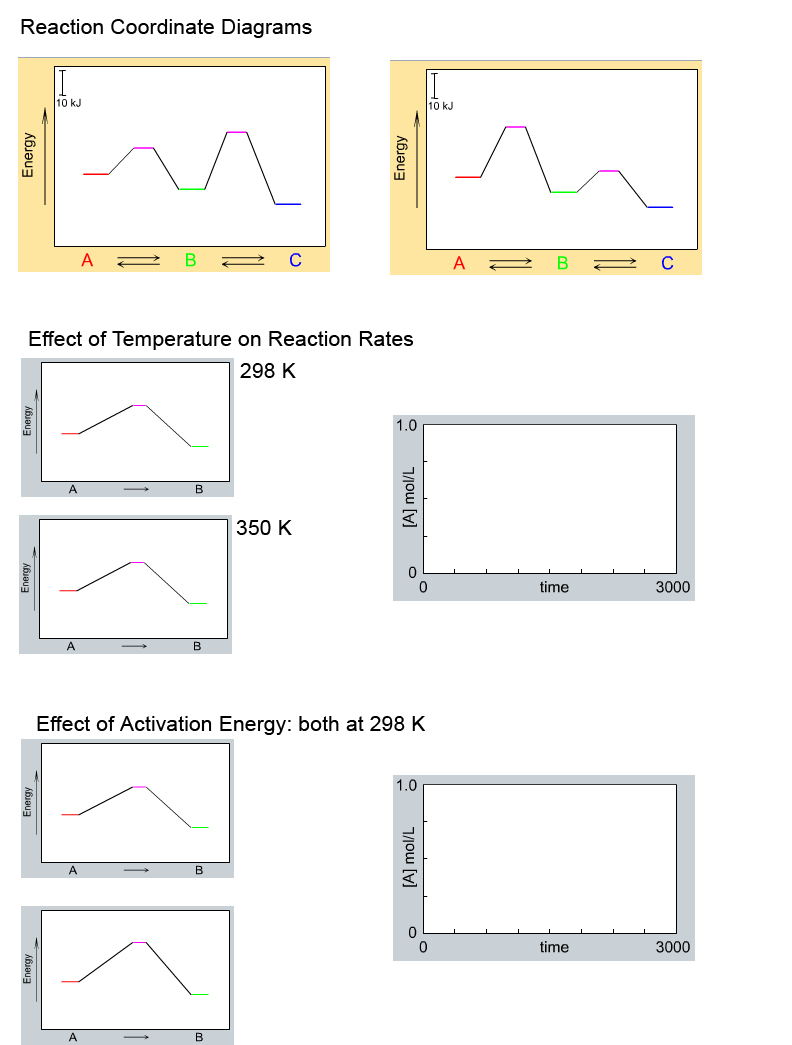
Reaction Coordinate Diagrams

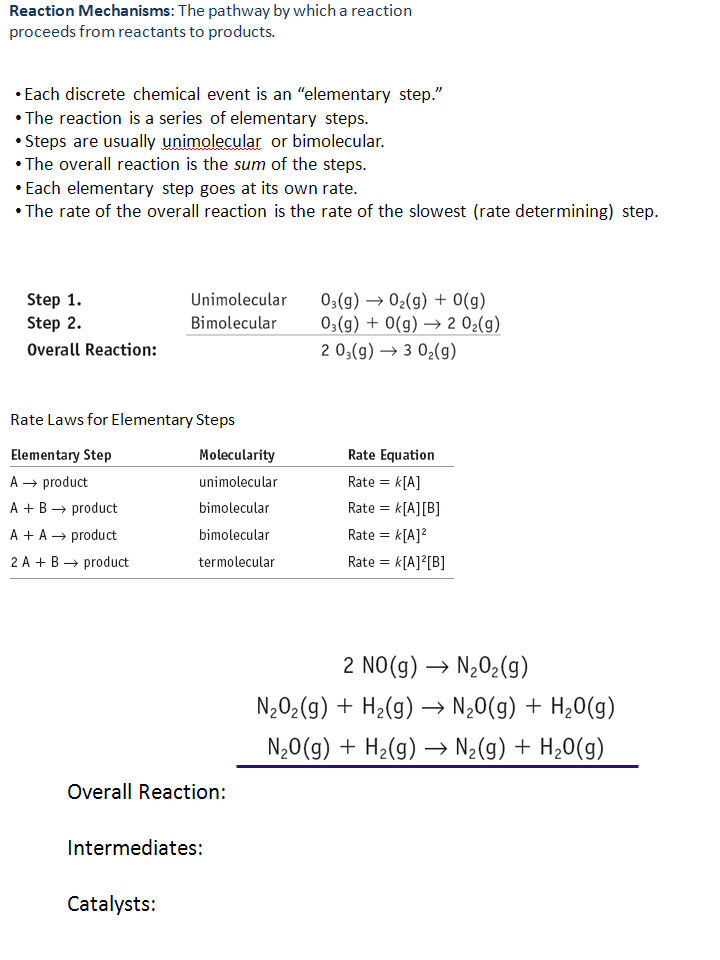
Reaction Mechanism Examples

More Reaction Mechanism Examples

Bleaching of Green Food Dye


Chapter 15 Equilibrium
Equilibrium Handout 1: Microscopic Reversibility

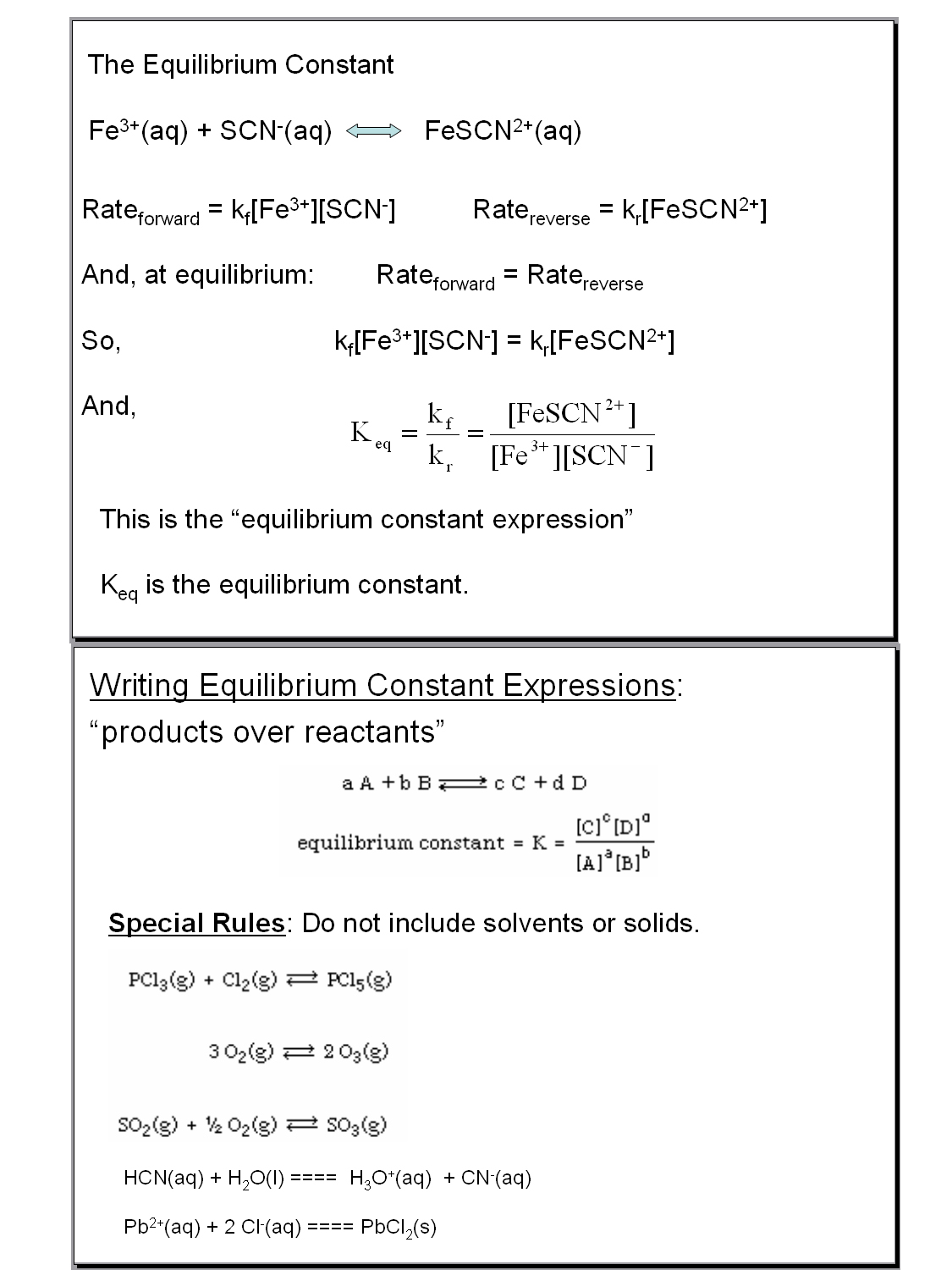
Equilibrium Handout 2: Equilibrium Constant Expressions

Equilibrium Handout 3: Concentration-Time Curves and K

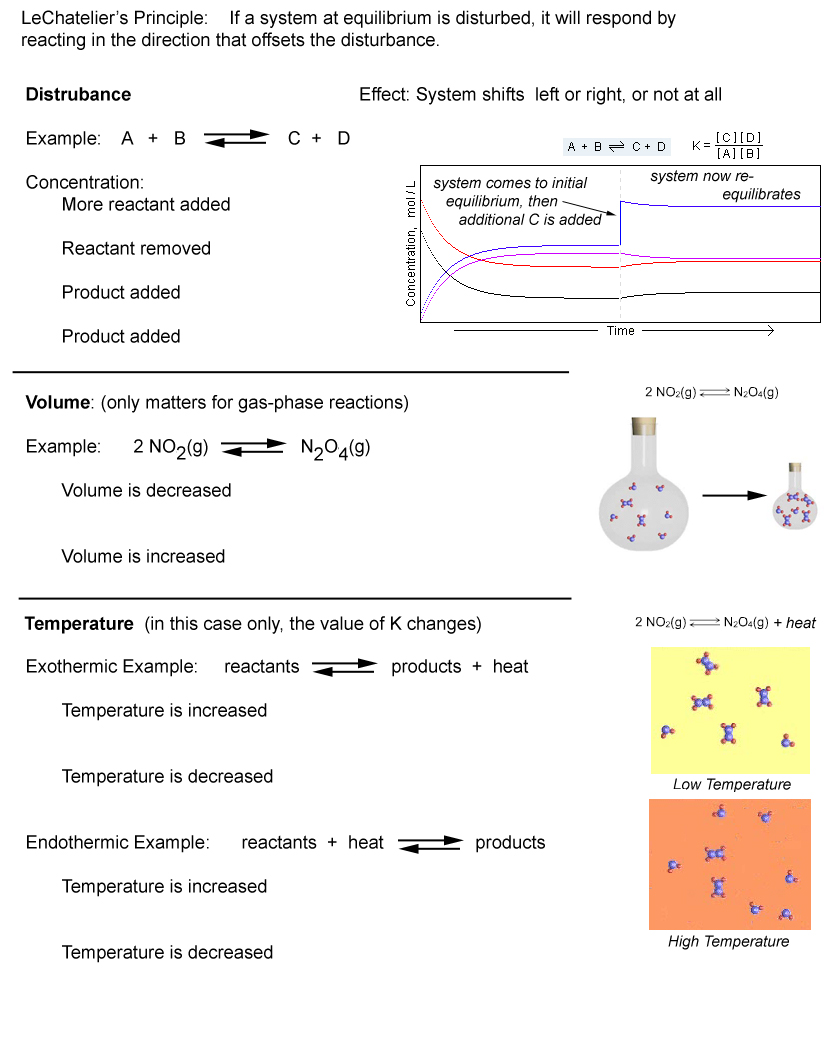
LeChatelier’s Principle


Chapter 16 Acid-Base Chemistry I

Acid-Base Equilibria

Acid-Base Examples

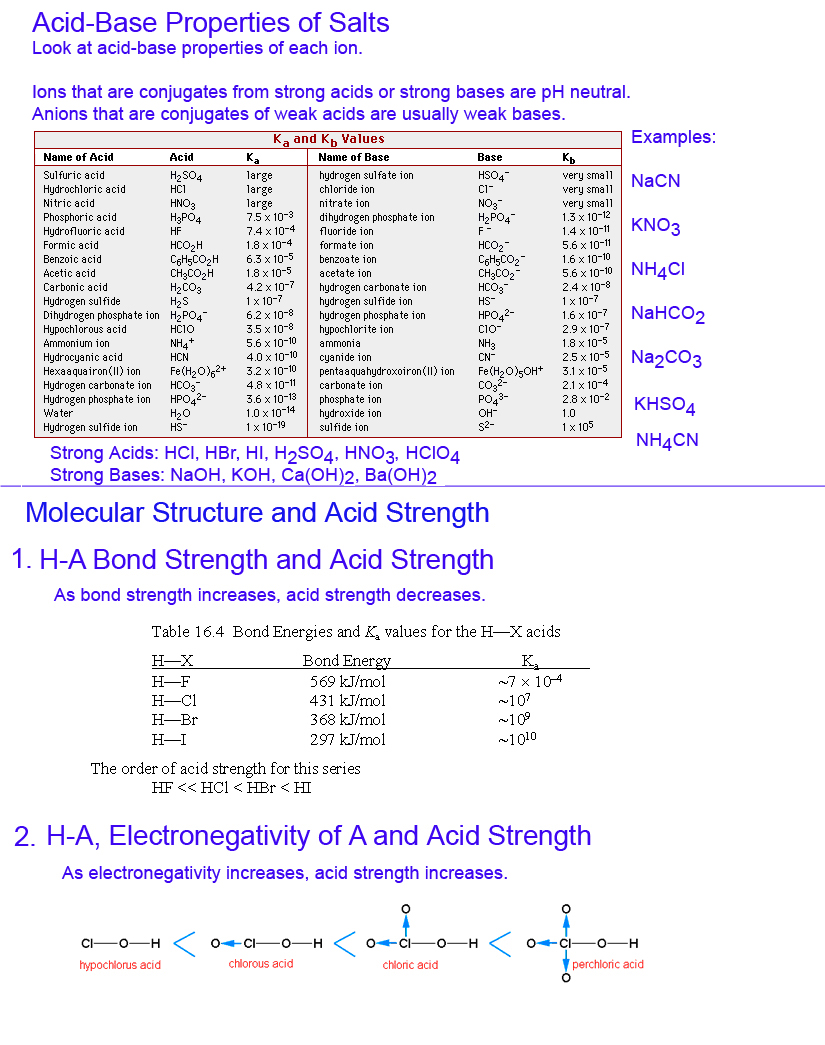
Acid-Base Table/Acid Strength and Molecular Structure

Lewis Acids and Bases


Chapter 17 Acid-Base Chemistry II

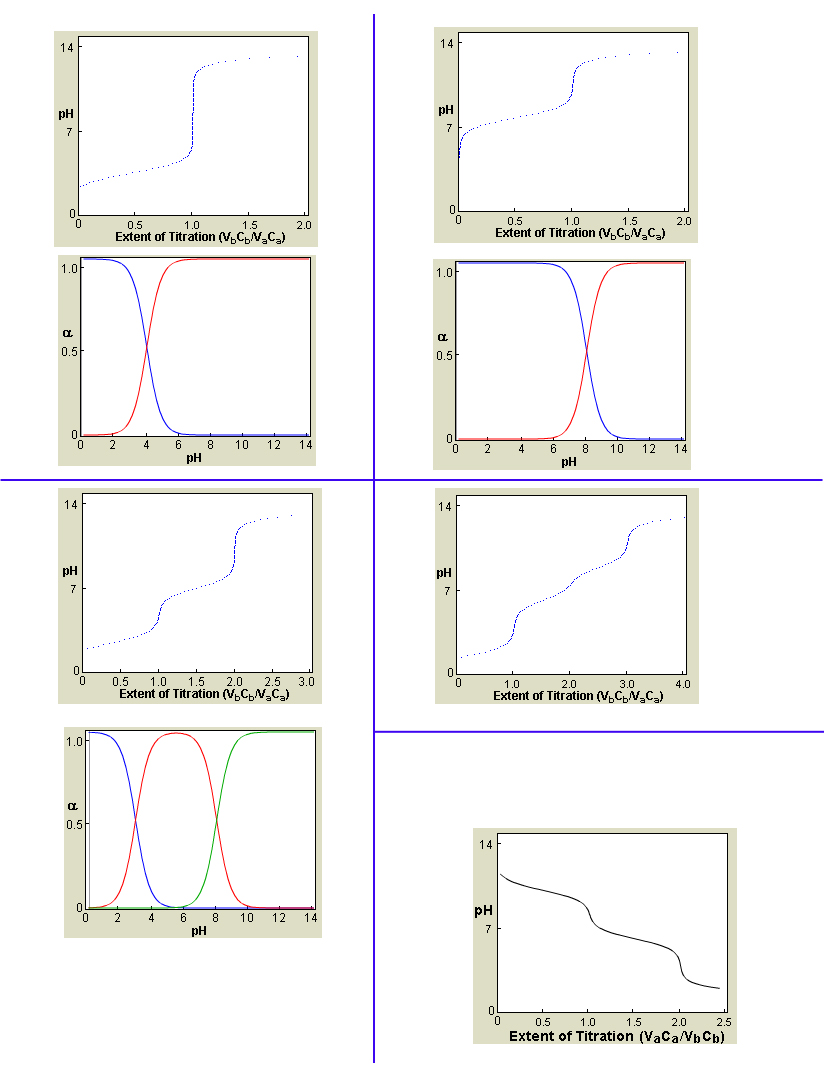
Titration Curves and Alpha Plots

Acid-Base States of Glycine

Buffer Solutions

Buffer pH


Chapter 18 Solubility and Complexation Equilibria

Solubility and Complexation Equilibira Examples


Chapter 19 Entropy and Free Energy

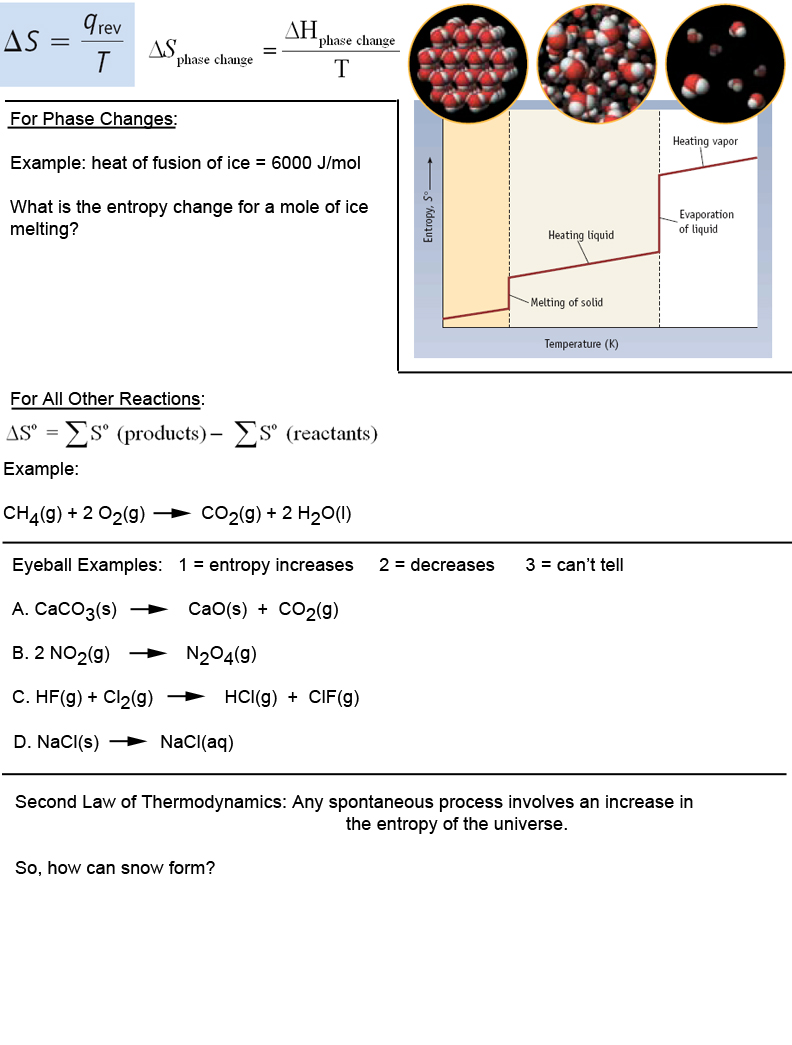
Entropy Handout

Thermo Data Tables for Class


Spectroscopy Materials
IR/NMR Website        

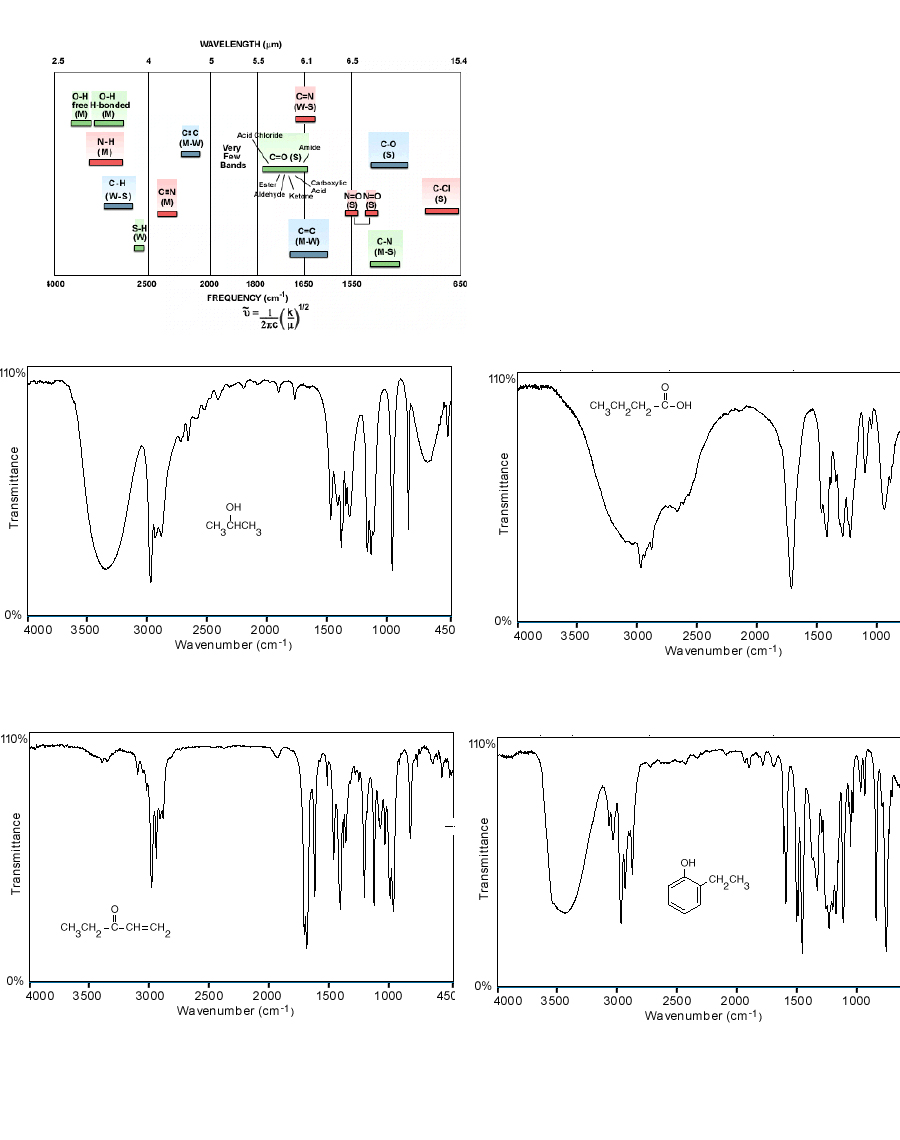
         IR Table and Spectra

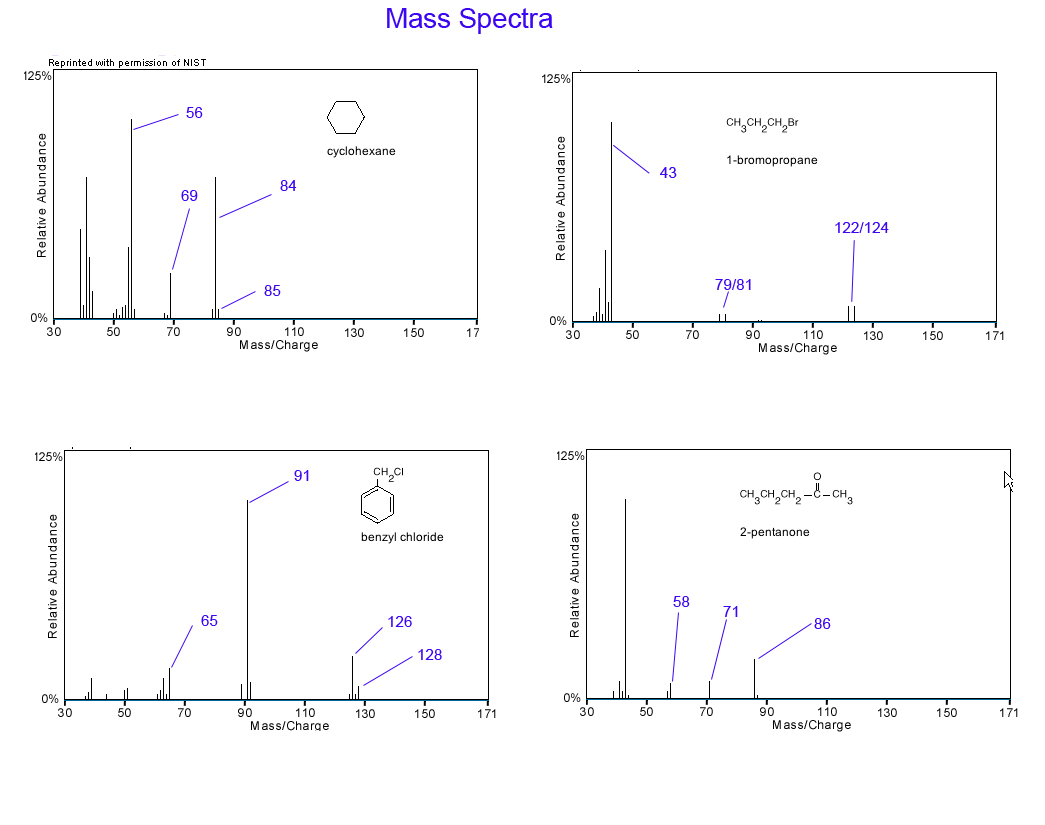
Mass Spectra Examples

NMR Table and Spectra


LABORATORY SCHEDULE


Week              Laboratory Experiment (click on experiment to download handout)

1/21                 Determination of the Molar Mass of a Volatile Liquid

1/28                 Gas Chromatography

2/4                   Silver Group Analysis

2/11                 Anion Analysis

2/18                 Vacation

2/25                 Kinetics (1)

3/3                   Kinetics (2)

3/10                 Analysis of Bond Strengths

3/17                 Separations (1)

3/24                 Vacation

3/31                 Complex Ions

4/7                   Acid-Base Chemistry: Prelab, Experiment, Data Sheets

4/14                 Dynamic Equilibrium

4/21                 Forensic Acid-Base Analysis

4/28                 Check Out


SYLLABUS


PREREQUISITE

The prerequisite for General Chemistry II is General Chemistry I, Chem 111.


MATERIALS

  • General Chemistry to Accompany the OWL Electronic Learning System: Provided
  • Laboratory Experiments (download from course website)
  • Laboratory Safety Goggles (bookstore)
  • Scientific Calculator
  • OWL Electronic Homework System (provided by instructor)


GRADING

The basis for course grades is determined by examinations, graded homework, and laboratory. Points for each are:


Three hour exams (100 points each):                 300 points

Comprehensive final exam:                                150 points

Homework                                                       100 points

Laboratory:                                                      100 points

Total Points:                                                     650 points


Letter grade ranges on a percentage basis are:


A         90.0 – 100%                C-        67.0 – 69.9%

A-        87.0 – 89.9%               D+       64.0 – 66.9%

B+       84.0 – 86.9%               D         60.0 – 63.9%

B         80.0 – 83.9%               D-        57.0 – 59.9%

B-        77.0 – 79.9%               E          Below 57%

C+       74.0 – 76.9%

C         70.0 – 73.9%


EXAMINATIONS


Exams will be held on the following Thursday evenings from 7-9 PM in IRC 3.


            Feb. 14, Mar 20, April 30     


If you miss an examination because of circumstances beyond your control, please inform the instructor immediately. A make-up examination will be scheduled for as soon as possible. The instructor must be notified before or during the examination time.


OWL HOMEWORK

Homework will use the OWL system served by the University of Massachusetts. The system is “mastery” based, meaning that you can work on an assignment as long as you want and try questions as many times as you want, until succeeding. There is no penalty for getting an answer wrong. There is only a penalty for not eventually getting it right.


The login address is: http://owl.oit.umass.edu


Choose General Chemistry/UMass Amherst


Your login is SUCO + your last name. So, mine is SUCOvining.

Your password is your student number.


Assignments will be made weekly and will be due at midnight on Sunday.


LABORATORY

The laboratory work is an integral and essential part of this course and will represent a significant factor in your final grade (see above). Normally, you will not be granted credit for this course unless you satisfactorily complete the laboratory work; however, if you have taken the course previously at SUCO and completed the laboratory work, a waiver may be granted. If you think that you might qualify for such a waiver, discuss your situation with the lecture instructor as soon as possible.

You will be expected to attend every scheduled meeting of your laboratory section. If you are forced to miss one of the labs due to circumstances beyond your control, the instructor will attempt to arrange for you to attend some other laboratory section during the same week. If it is impossible to reschedule the experiment you should discuss methods of making up the work with your instructor.

Students will not be permitted to work in any laboratory section other than that for which they are scheduled. Students must not work in the laboratory with direct faculty supervision.

 
Unless you are informed otherwise, laboratory reports will be due the first lecture meeting after the completion of the experiment.


In order to protect your vision you will be required to wear safety glasses while you are in the laboratory. If you violate this rule you become a hazard to yourself as well as those around you. Therefore, you may be asked to leave the laboratory if you do not wear safety glasses.

Laboratory reports are to represent your own original work. You will sometimes work with other students to collect data, but your written report, including calculations must be your own work.


Chemistry 112-Spring 2008/Vining


COURSE SCHEDULE

Week               Chapter            Subject

1/16                 8                      Molecular Structure

1/21                 9                      Bonding Theories

1/28                 9                      Bonding Theories

2/4                   13                    Kinetics

2/11                 13                    Kinetics

2/18                 Vacation

2/25                 18                    Entropy and Free Energy

3/3                   10                    Liquids and Solids

3/10                 11                    Liquids and Solids

3/17                 11                    Solutions

3/24                 Vacation

3/31                 12                    Equilibrium

4/7                   14                    Acids and Bases

4/14                 15                    Advanced Acid-Base Equilibria

4/21                 16                    Oxidation-Reduction and Electrochemistry